NASA hosts Artemis webinar for blind, low-vision community on October 2
NASA is hosting a virtual webinar on October 2 aimed at the blind and low-vision community to discuss the RS-25 engine's role in the Artemis missions. This initiative underscores NASA's commitment to…
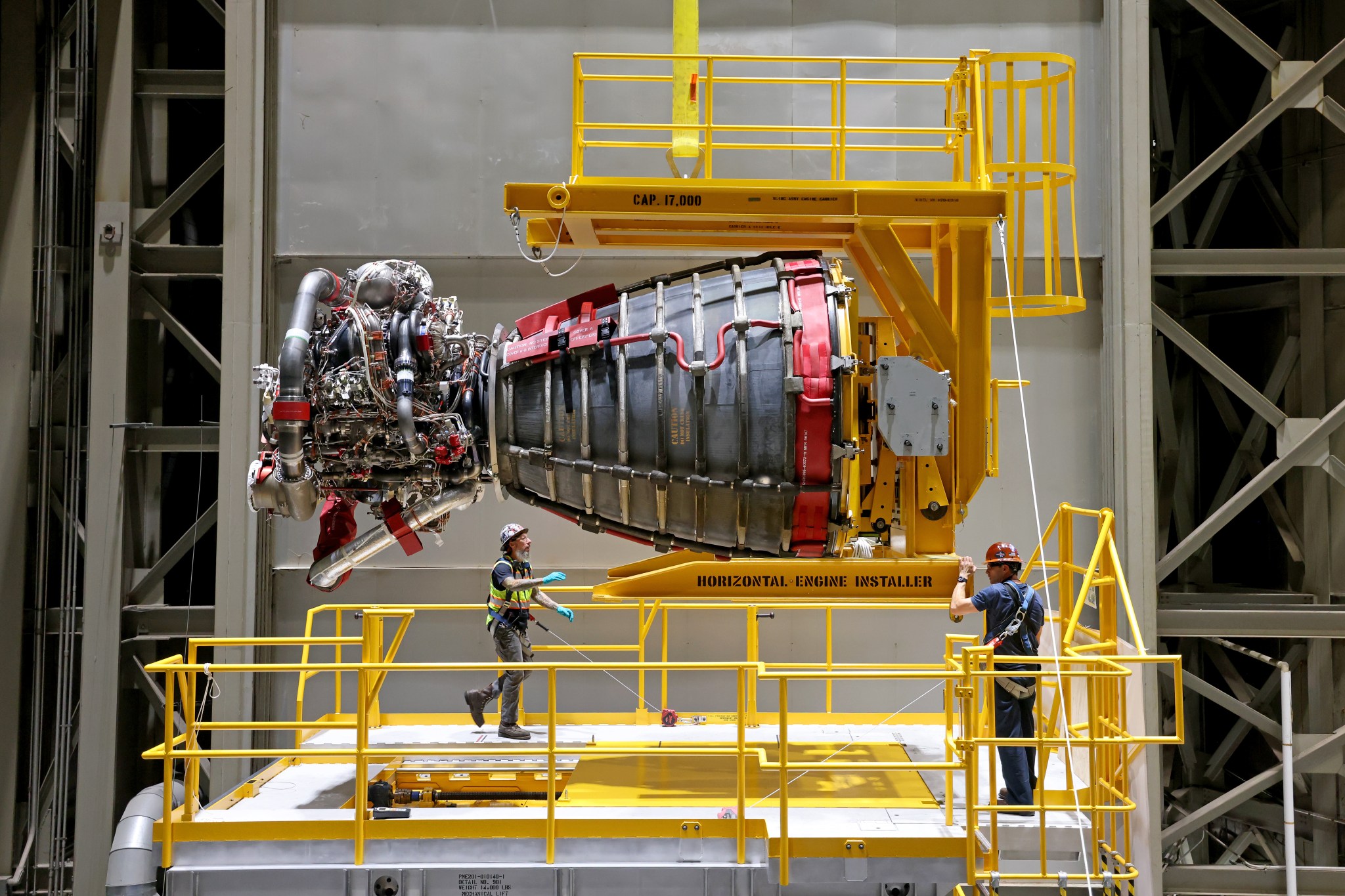
NASA will host a virtual webinar titled “The RS-25 Engine and the Future of Artemis Missions: An Accessible Webinar for the Blind and Low-Vision Community” on Friday, Oct. 2, at 2 p.m. EDT. The two-hour event is designed specifically for individuals who are blind or have low vision, featuring accessible content tailored to their needs.
This initiative comes as part of NASA's ongoing commitment to inclusivity and accessibility in its programs. With the Artemis program aiming to return humans to the Moon by 2024 and eventually send astronauts to Mars, it is critical for NASA to engage a diverse audience. By hosting this webinar, NASA not only provides information on the RS-25 engine, a key component of the Space Launch System, but also ensures that everyone, regardless of their visual ability, can participate in and learn about the future of space exploration.
Participants can expect detailed discussions about the RS-25 engine's role in the Artemis missions, along with interactive elements that allow for questions and engagement. This approach is a response to the broader movement within STEM fields to make science and technology more accessible. Organizations are increasingly recognizing the importance of including underrepresented groups in conversations about innovation and exploration.
Following this webinar, NASA plans to evaluate feedback to enhance future events and ensure they continue to meet the needs of the community. The agency aims to set a precedent for accessibility in space exploration, fostering an environment where all individuals can contribute to and understand the advancements in science and technology. This commitment not only enriches public engagement but also helps cultivate a more inclusive future for the space industry.
Read Full Story at NASA →