NASA invites U.S. students to propose Moon base ideas for $1 million prize
NASA is offering a $1 million prize for U.S. students to propose innovative solutions for building a permanent lunar base as part of its Moon Base Challenge. This initiative aims to engage young mind…
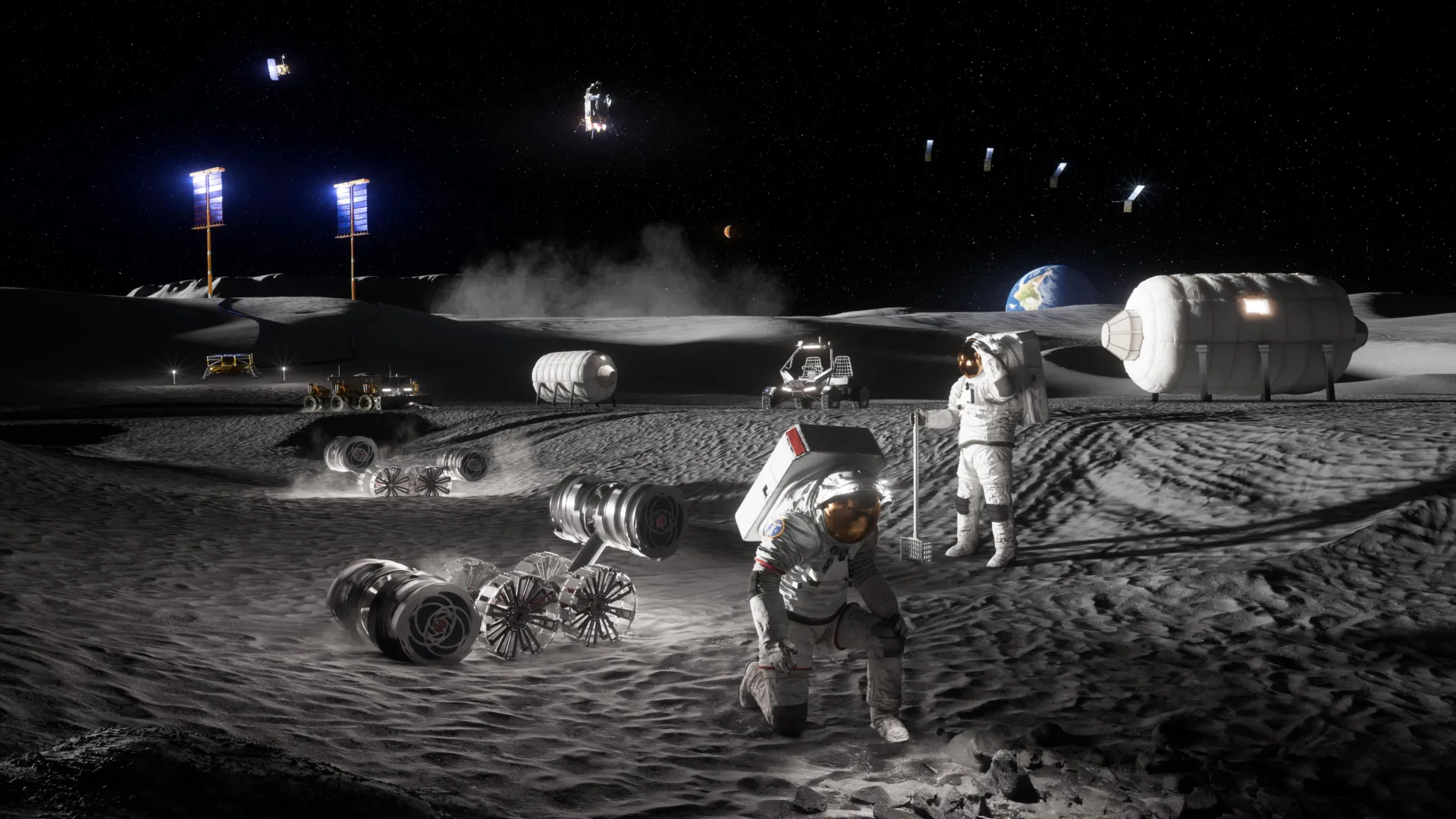
NASA is offering $1 million in its new Moon Base Challenge, inviting U.S. students to develop innovative solutions for building humanity’s first permanent lunar outpost. This initiative aims to harness the creativity and ingenuity of young minds to tackle the significant challenges of establishing a sustainable human presence on the Moon. Participants are encouraged to propose ideas that address various aspects of lunar living, including power systems, habitat construction, and astronaut safety.
The urgency of this challenge stems from NASA's broader goal of advancing space exploration. The Artemis program, which aims to return humans to the Moon by the mid-2020s, highlights the need for a sustainable lunar infrastructure. Establishing a Moon base is crucial for future missions to Mars and beyond. By fostering student involvement, NASA seeks to inspire the next generation of scientists and engineers who will play a key role in these ambitious space endeavors.
The challenge is not just about winning money; it’s about engaging students in real-world problem-solving. Innovative ideas could lead to breakthroughs in technology and methods that support long-term lunar habitation. NASA’s effort aligns with its mission to promote STEM education and create a pipeline of talent for the aerospace industry. The initiative also reflects a growing interest in international collaboration in space exploration, as other countries and private companies also pursue lunar missions.
Looking ahead, the selected proposals will undergo evaluation by a panel of experts, with winners announced in a future event. The best ideas could be developed further and potentially implemented in NASA’s lunar plans. This challenge matters not only for its potential contributions to space exploration but also for its role in inspiring students to envision a future where humanity thrives beyond Earth.
Read Full Story at ScienceDaily →