NASA rocket studies sporadic E layers disrupting radio signals on October 5
NASA's sounding rocket successfully studied sporadic E layers, high-altitude clouds that disrupt radio signals, during its launch on October 5, 2023. This mission aims to improve understanding of the…
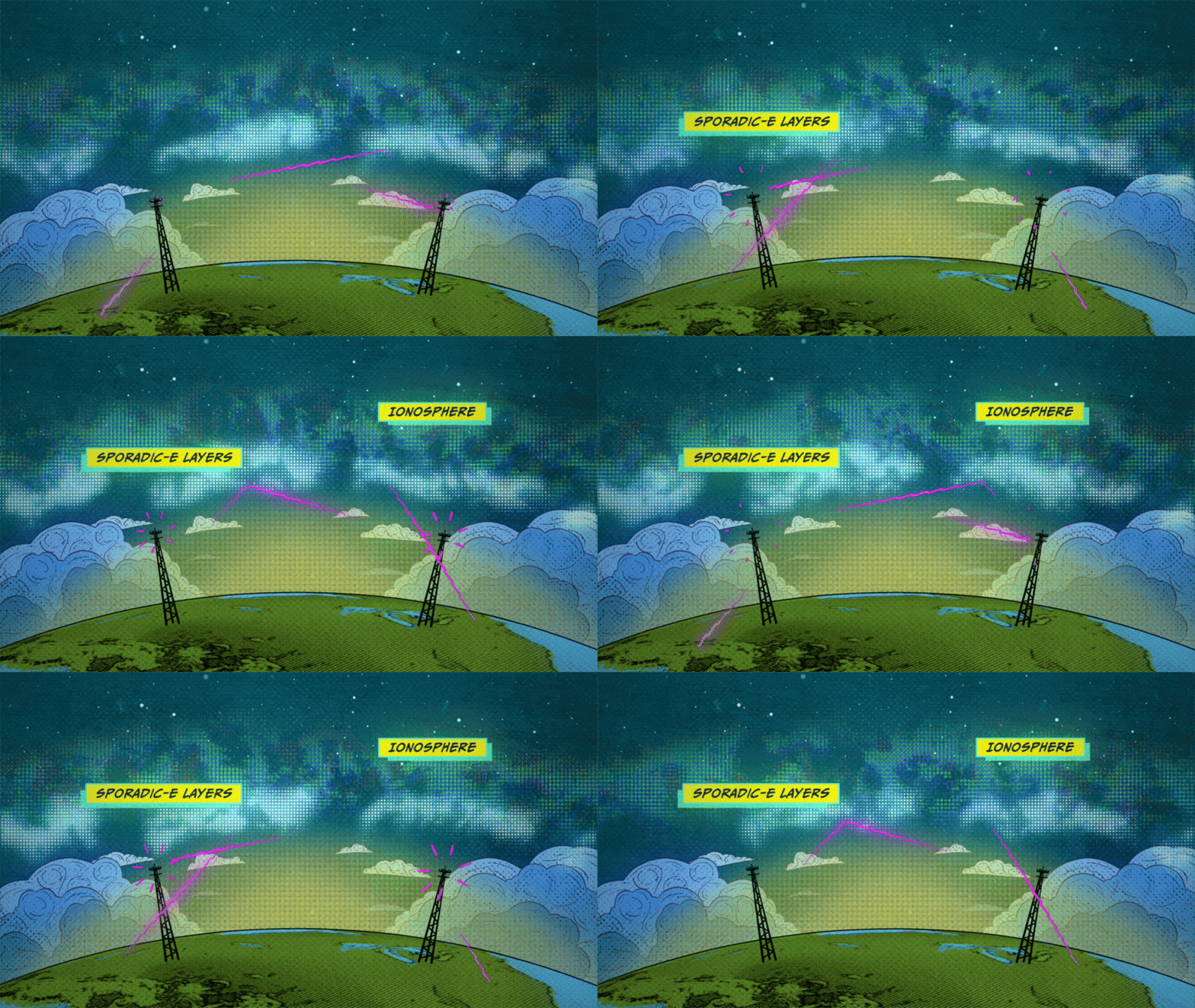
NASA's sounding rocket has successfully taken its first multi-point look inside sporadic E layers, high-altitude clouds that disrupt radio signals. This mission, conducted from the Wallops Flight Facility in Virginia, aimed to better understand these elusive atmospheric phenomena. The rocket launched on October 5, 2023, and gathered crucial data as it ascended through the upper atmosphere, where these clouds reside.
Sporadic E layers form at altitudes between 30 and 120 miles, created by the remnants of meteors that burn up upon entering Earth’s atmosphere. Their unpredictable nature poses challenges for radio communications, satellites, and GPS systems. As reliance on satellite technology increases, understanding these layers becomes essential for maintaining signal clarity and reliability. This mission is a step toward addressing the growing concerns about communication disruptions caused by these atmospheric irregularities.
The rocket flew through several sporadic E layers, collecting data from multiple points during its brief flight. Preliminary findings suggest that these clouds can form rapidly and that their density can vary significantly. This variability can lead to sudden disruptions in radio frequency signals, which can last from minutes to hours. The data collected may help researchers develop models to predict these disruptions, potentially leading to improved communication strategies.
Looking ahead, NASA plans to analyze the data collected during this mission to develop a deeper understanding of sporadic E layers. Future missions may focus on enhancing real-time predictive models to mitigate the impact of these clouds on communication systems. As technology continues to evolve, ensuring reliable satellite and radio communications becomes increasingly vital for both everyday users and critical infrastructure.
Read Full Story at NASA →