NASA invites high school students to innovate U.S. aviation infrastructure
NASA's Student Aviation Challenge, running from June 17 to June 23, 2024, in New Orleans, invites high school students to develop innovative solutions for the U.S. aviation infrastructure. This initi…
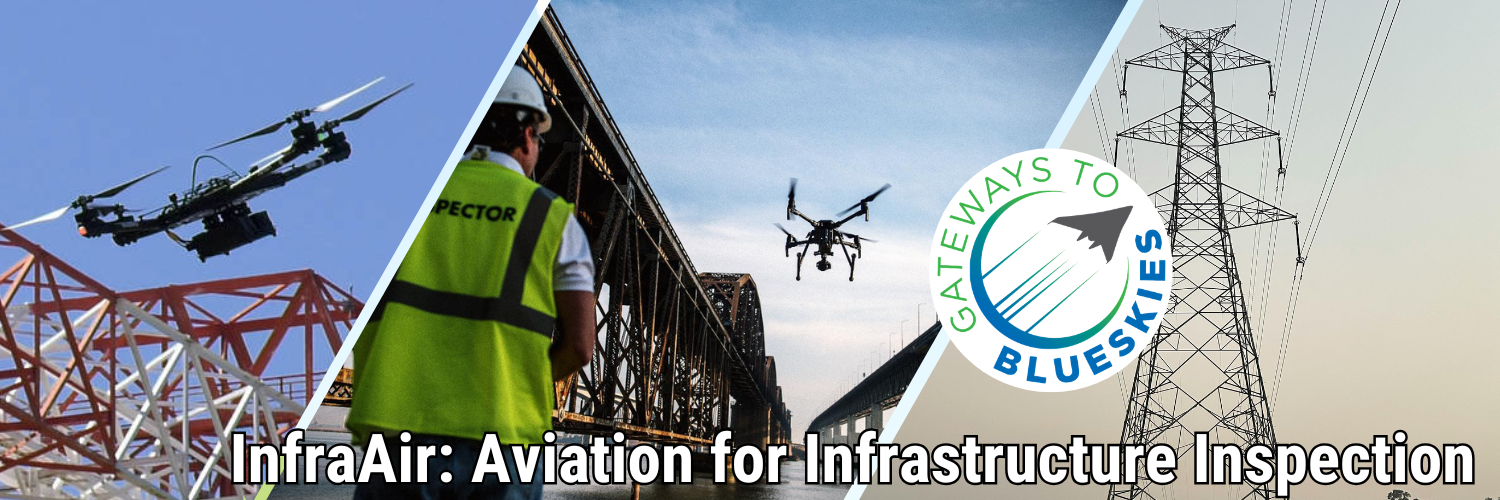
NASA has launched a new Student Aviation Challenge, which will take place from June 17 to June 23, 2024, in New Orleans, Louisiana. The initiative aims to engage high school students in exploring and addressing the challenges facing the United States’ aviation infrastructure. Participants will work in teams to develop innovative solutions that promote sustainability and efficiency in aviation.
This challenge comes as the aviation industry grapples with increasing demands for air travel and the need to modernize its infrastructure. The U.S. government has invested heavily in improving air traffic management systems and airport facilities, but there remains a pressing need for fresh ideas and perspectives from the next generation. By involving students, NASA hopes to inspire future leaders in aviation and related fields, fostering a new wave of innovation and problem-solving.
Students will be judged on their ability to create viable aviation solutions, with considerations for environmental impact and technological advancement. The challenge includes hands-on activities, leadership training, and mentorship from industry experts, providing students with a comprehensive learning experience. Selected teams will have the opportunity to present their solutions to a panel of judges, including professionals from NASA and the aviation sector.
The Student Aviation Challenge is part of NASA's broader commitment to workforce development and education in STEM fields. By encouraging young minds to think critically about aviation infrastructure, NASA aims to cultivate a skilled workforce capable of meeting future challenges in the industry. The outcomes of this challenge could influence how the aviation sector evolves in response to both current demands and future technological advancements.
Read Full Story at NASA →