NASA measures Earth's shifting center of mass affecting GPS accuracy
NASA has discovered that Earth's center of mass shifts several inches yearly due to water redistribution, affecting satellite navigation and sea level measurements. Accurate tracking of these changes…
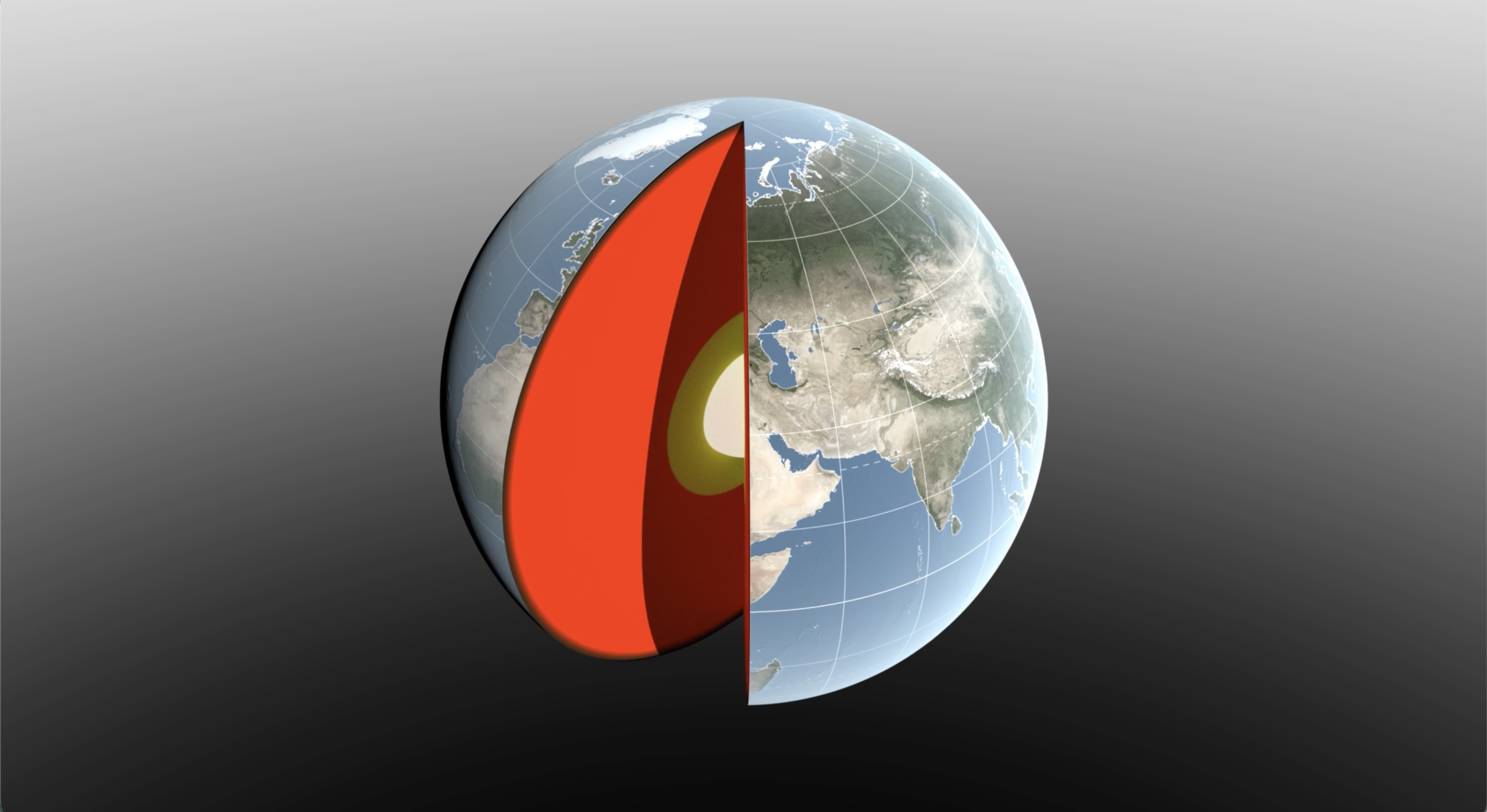
NASA scientists have confirmed that Earth’s center of mass moves back and forth by a few inches each year as water shifts around the planet. The movement is caused by seasonal changes in the distribution of oceans, glaciers, and atmospheric moisture, which change the planet’s mass balance. Using data from the Gravity Recovery and Climate Experiment (GRACE) satellite pair, the team tracked these tiny shifts relative to Earth’s geometric center.
The result matters because the center of mass is the reference point that underpins satellite navigation systems, including GPS, and the definition of sea level for elevation measurements. Even a fraction‑inch shift can introduce errors in satellite orbit calculations and in the positioning of ground‑based instruments. The findings help refine the models that convert satellite data into accurate maps and improve the precision of global positioning for everything from aviation to climate monitoring.
NASA’s analysis shows that the mass redistribution is largely driven by melting ice in Greenland and Antarctica, the expansion and contraction of ocean basins, and the seasonal loading of water on land. The GRACE satellites measure tiny changes in Earth’s gravitational field, which are then translated into shifts in the planet’s center of mass. The team has calibrated the instruments to detect changes as small as 0.02 inches, allowing them to map the mass flow over time.
Looking ahead, the agency plans to integrate these measurements into the next generation of satellite navigation software. By updating the reference frame with real‑time mass distribution data, GPS receivers can correct for the moving center of mass and reduce positional errors. The work also supports climate scientists tracking the rate of ice melt and sea‑level rise, providing a more accurate picture of how the planet’s mass is changing in the face of global warming.
Read Full Story at NASA →