NASA replaces DC-8 with repainted Boeing 777 for climate research
NASA’s repainted Boeing 777 replaces the retired DC-8 to ensure continuous atmospheric data collection. The upgraded aircraft begins operations in 2027, maintaining critical climate research capabili…
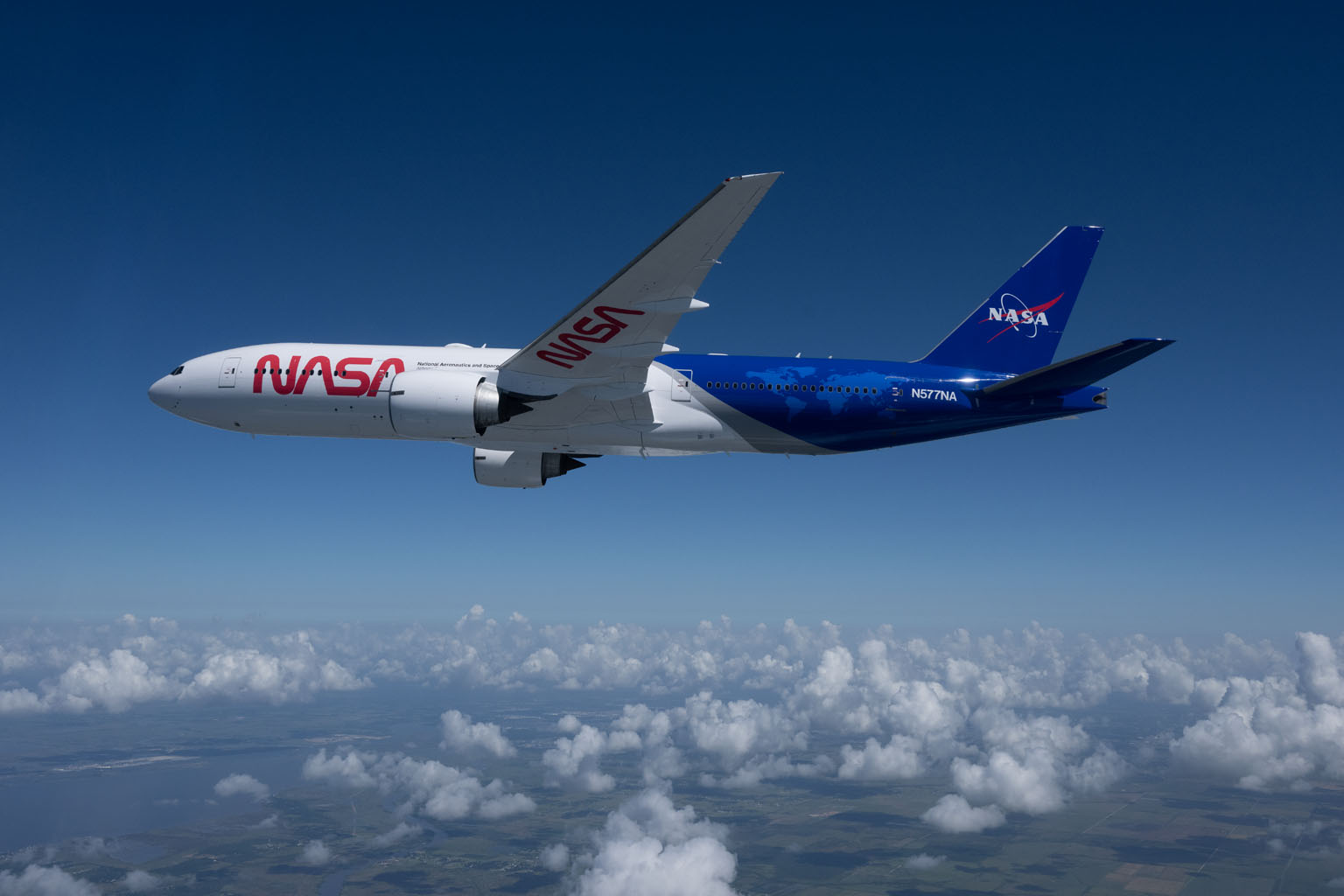
NASA has officially unveiled a fresh coat of paint on its Boeing 777 aircraft, signaling a major transition in the agency’s airborne science capabilities. The photo, released on August 11, 2026, captures the newly refurbished jet, which is now prepared for its next phase of modification and testing. This visual update marks more than just a cosmetic change; it represents the final steps in converting a commercial airliner into a specialized platform for atmospheric research. The aircraft is set to begin its operational duties from NASA’s Langley Research Center in Hampton, Virginia, with full scientific operations scheduled to commence in 2027. This timeline ensures that the agency maintains continuous coverage of Earth’s atmosphere without significant gaps in data collection. The repainting process often coincides with the installation of new sensor ports and the integration of advanced computing systems required for modern climate studies. By updating the exterior, NASA also ensures that the aircraft meets current safety and maintenance standards for long-term flight operations.
The arrival of the Boeing 777 is a direct response to the retirement of the NASA DC-8, a workhorse aircraft that served the agency for decades. The DC-8 was retired in 2024 after a long and distinguished career in atmospheric science, leaving a void in NASA’s ability to conduct high-altitude and long-duration missions. The older jet was instrumental in studying ozone depletion, air quality, and climate change, but its age and increasing maintenance costs made replacement necessary. NASA had to find a successor that could not only match but exceed the capabilities of the DC-8. The Boeing 777 was chosen for its larger size, greater fuel capacity, and advanced avionics, which allow for longer flights and the carriage of heavier scientific payloads. This transition is part of a broader strategy to modernize NASA’s fleet, ensuring that researchers have access to the best tools available for monitoring a rapidly changing planet. The shift from a smaller, older aircraft to a larger, more capable modern jet reflects the growing complexity of climate science and the need for more comprehensive data sets.
The new aircraft will play a critical role in understanding Earth’s climate system and supporting weather forecasting. Unlike the DC-8, the Boeing 777 can carry a wider array of instruments simultaneously, allowing for more comprehensive measurements of atmospheric composition, cloud properties, and radiation balance. These capabilities are essential for validating satellite data and improving climate models. The aircraft will also support missions related to air quality and pollution, providing real-world data that helps policymakers develop effective environmental regulations. The decision to base the aircraft at Langley Research Center leverages the facility’s expertise in aeronautics and climate science. Langley has a long history of airborne research, and the addition of the 777 strengthens its position as a hub for atmospheric studies. The integration of new technology into the aircraft will require extensive testing and calibration, a process that will continue through 2026 and into early 2027. Scientists and engineers are working closely to ensure that all instruments function correctly and that data quality meets the high standards required for peer-reviewed research. This collaboration between NASA’s engineering and science teams is crucial for the success of the mission.
Looking ahead, the Boeing 777 is expected to operate for at least two decades, providing a stable platform for future scientific discoveries. Its arrival ensures that NASA can continue its vital work in monitoring Earth’s health and responding to global environmental challenges. The aircraft will support a variety of missions, including studies of carbon cycles, aerosol effects on clouds, and the impacts of human activities on the atmosphere. As climate change accelerates, the need for accurate and timely atmospheric data becomes increasingly urgent. The new jet will help meet this demand by offering enhanced capabilities and reliability. Furthermore, the aircraft will serve as a training platform for the next generation of atmospheric scientists and pilots. By maintaining a robust airborne science program, NASA reinforces its commitment to understanding and protecting the planet. The transition from the DC-8 to the 777 is not just a change of equipment; it is a statement of intent to lead in climate science for the coming decades. The success of this mission will depend on the seamless integration of new technology and the dedication of the scientific community. As the aircraft prepares for its first scientific flights, the global research community awaits the valuable insights it will provide.
Read Full Story at NASA →