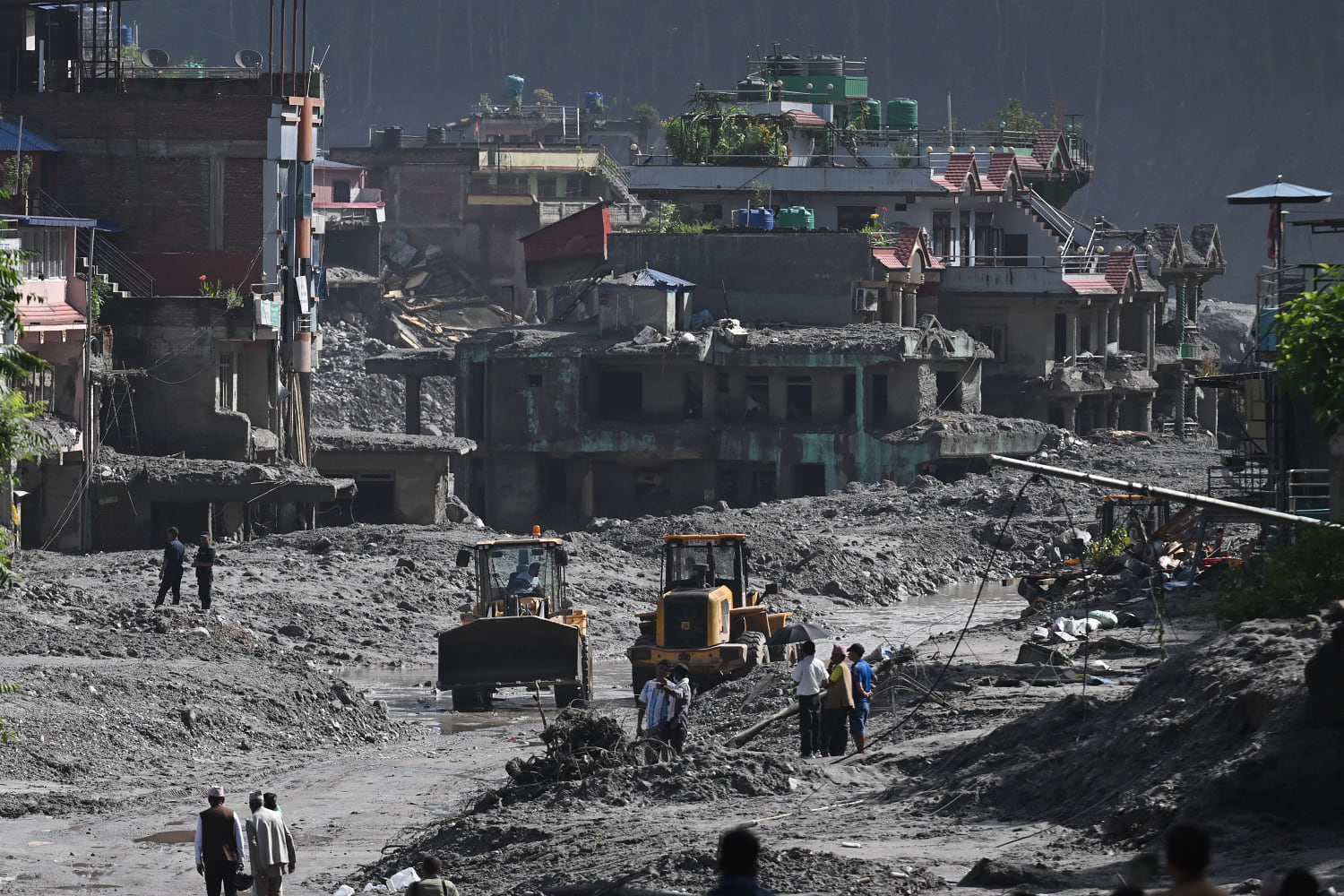
Fr. Silas Bogati warns of climate crisis after 1,300 deaths in Nepal floods
Fr. Silas Bogati of Nepal has raised alarms about the climate crisis as over 1,300 people have died from landslides and flooding in the Himalayan region, exacerbated by erratic weather patterns linke…
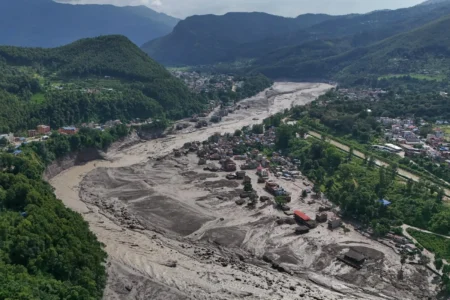
Fr. Silas Bogati, a senior churchman in Nepal, raised urgent alarms about the climate crisis as the death toll from a recent disaster in the Himalayan region surpassed 1,300. This catastrophe, which involved massive landslides and flooding triggered by heavy monsoon rains, has devastated communities across Nepal and parts of northern India, highlighting the vulnerabilities of this ecologically sensitive area.
The increasing intensity of climate-related events in the Himalayas is not new, but recent data suggests a troubling trend. The region has been experiencing erratic weather patterns, attributed to climate change, which has led to more extreme rainfall and rapid glacial melting. These changes threaten not only local ecosystems but also the livelihoods of millions who depend on agriculture and tourism. Fr. Bogati's remarks come as communities grapple with the immediate aftermath of the disaster, seeking to recover and rebuild.
The humanitarian response is underway, but challenges abound. Many remote areas remain inaccessible due to damaged infrastructure, which complicates relief efforts. Local governments and international organizations are mobilizing resources to provide food, medical care, and shelter to the affected populations. The death toll could rise further as search and rescue operations continue, and survivors face the risk of disease outbreaks in the wake of the flooding.
Looking ahead, the situation underscores the need for urgent action on climate change. Experts warn that without significant global efforts to reduce emissions and adapt to changing environmental conditions, similar disasters will become more frequent. Fr. Bogati's call to action reflects a growing awareness among faith leaders and communities about the intersection of faith, social justice, and environmental stewardship. Addressing climate change is not just an environmental issue; it is a moral imperative that affects the most vulnerable populations worldwide.
Read Full Story at Crux Now →