UCSF study finds low-dose psilocybin reduces inflammation in Parkinson's patients
A pilot study at UCSF found that low-dose psilocybin reduced inflammation markers in Parkinson's patients for at least a month after treatment. This suggests that psychedelics may play a role in mana…
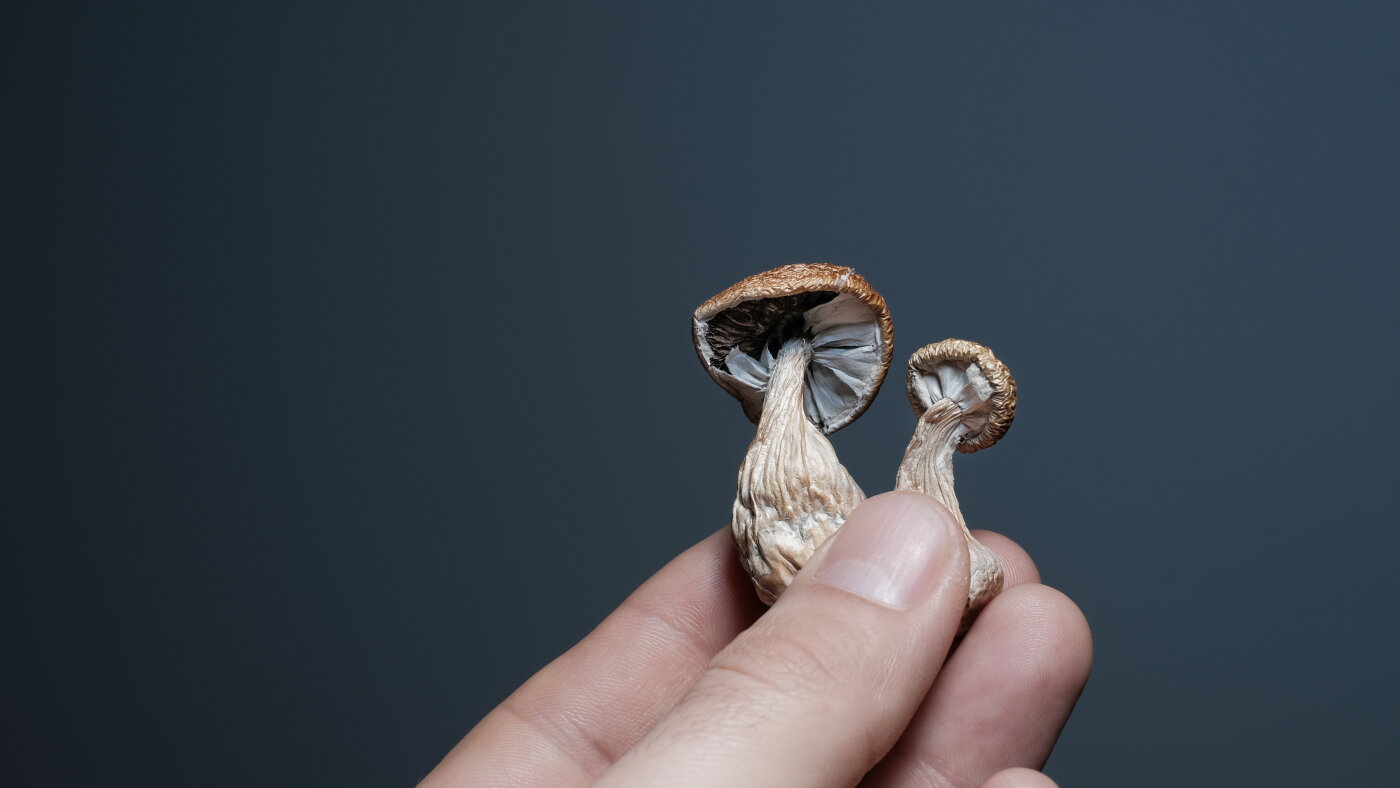
Researchers at the University of California, San Francisco have reported that two low‑dose psilocybin sessions lowered inflammation markers in a small group of people with Parkinson’s disease, with the effect persisting for at least a month after the final dose. The findings, published in JAMA Psychiatry, come from a pilot study that measured blood‑borne signaling molecules before, shortly after and one month after the treatments.
The study adds to a growing body of work that has focused on how classic psychedelics such as psilocybin and LSD alter consciousness by binding to serotonin receptors in the brain. Scientists have begun to explore whether the same receptors, which are also present on immune cells and other tissues, might mediate broader physiological changes. Animal and cell‑culture experiments have suggested that psychedelics can dampen inflammation and protect mitochondria, the cell’s energy factories, but human data have been scarce.
In the UCSF trial, 12 participants with Parkinson’s disease received two supervised psilocybin sessions. Blood tests tracked five inflammatory signaling molecules and a marker of mitochondrial stress. All five inflammation markers dropped significantly after the sessions, and the reduction remained measurable a month later. The mitochondrial stress marker improved right after dosing but returned to baseline at the later follow‑up. Researchers also noted a “promising safety profile,” with no serious adverse events and anecdotal reports that some motor and mood symptoms modestly improved. The participants were aware they were receiving psilocybin, and the study lacked a placebo control, limiting the strength of the conclusions.
The authors say the results provide an “initial biological signal” that warrants larger, double‑blind trials. If future research confirms that psychedelics can reliably curb systemic inflammation, they could become part of a new therapeutic approach for neurodegenerative disorders, many of which involve chronic immune activation. Such studies would also clarify whether the anti‑inflammatory effects are independent of the drugs’ hallucinogenic properties, potentially expanding the medical use of psychedelics beyond mental‑health conditions.
Read Full Story at NPR Health →