Duke researchers develop injectable treatment to aid stroke recovery in mice
Duke researchers have developed an injectable treatment that helps stroke-damaged brains regrow blood vessels and restore movement in mice. This approach could revolutionize stroke recovery by enhanc…
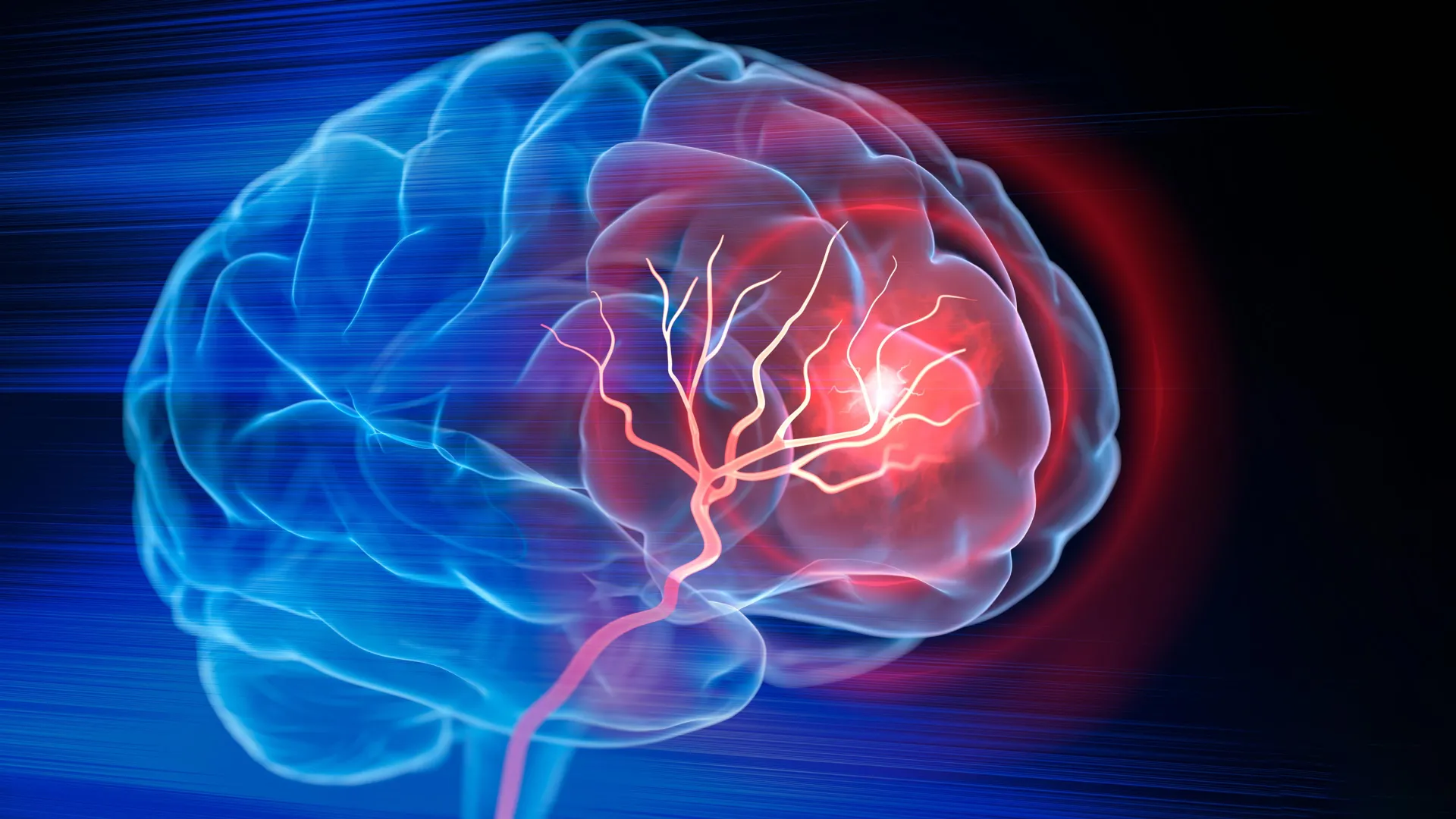
Duke researchers have developed a groundbreaking injectable treatment that aids stroke-damaged brains in regrowing blood vessels, supporting nerve regrowth, and restoring movement in mice. This innovative scaffold delivers essential materials directly to the brain, showing promise for future applications in human stroke recovery.
Strokes are a leading cause of long-term disability worldwide. They occur when blood flow to the brain is interrupted, leading to cell death and significant functional loss. Current treatments focus mainly on restoring blood flow but do little to facilitate the brain's own healing processes. The Duke team’s research addresses this gap by utilizing a method that not only aids recovery but also harnesses the body’s immune response, specifically recruiting neutrophils. These immune cells, typically associated with inflammation and damage, can be redirected to promote healing when conditions are optimized.
In laboratory tests, the injectable scaffold resulted in the formation of new blood vessels and improved nerve regeneration in mice that had experienced strokes. These findings are significant, as they suggest that the scaffold could lead to better recovery outcomes by transforming the role of immune cells from harmful to beneficial. This treatment could revolutionize stroke care, which currently relies heavily on rehabilitation therapies that can take months or years to yield results.
Looking ahead, researchers aim to conduct further studies to determine the scaffold's effectiveness in larger animal models and eventually in humans. If successful, this treatment could change the landscape of stroke recovery, offering hope to millions affected by strokes. It highlights the potential for innovative approaches that combine materials science with biological healing, paving the way for future breakthroughs in regenerative medicine.
Read Full Story at ScienceDaily →