NASA trains 50 planetary scientists in public engagement skills
NASA trains planetary scientists in public communication to translate complex data for broader audiences. This ensures scientific findings influence public understanding and policy, securing support …
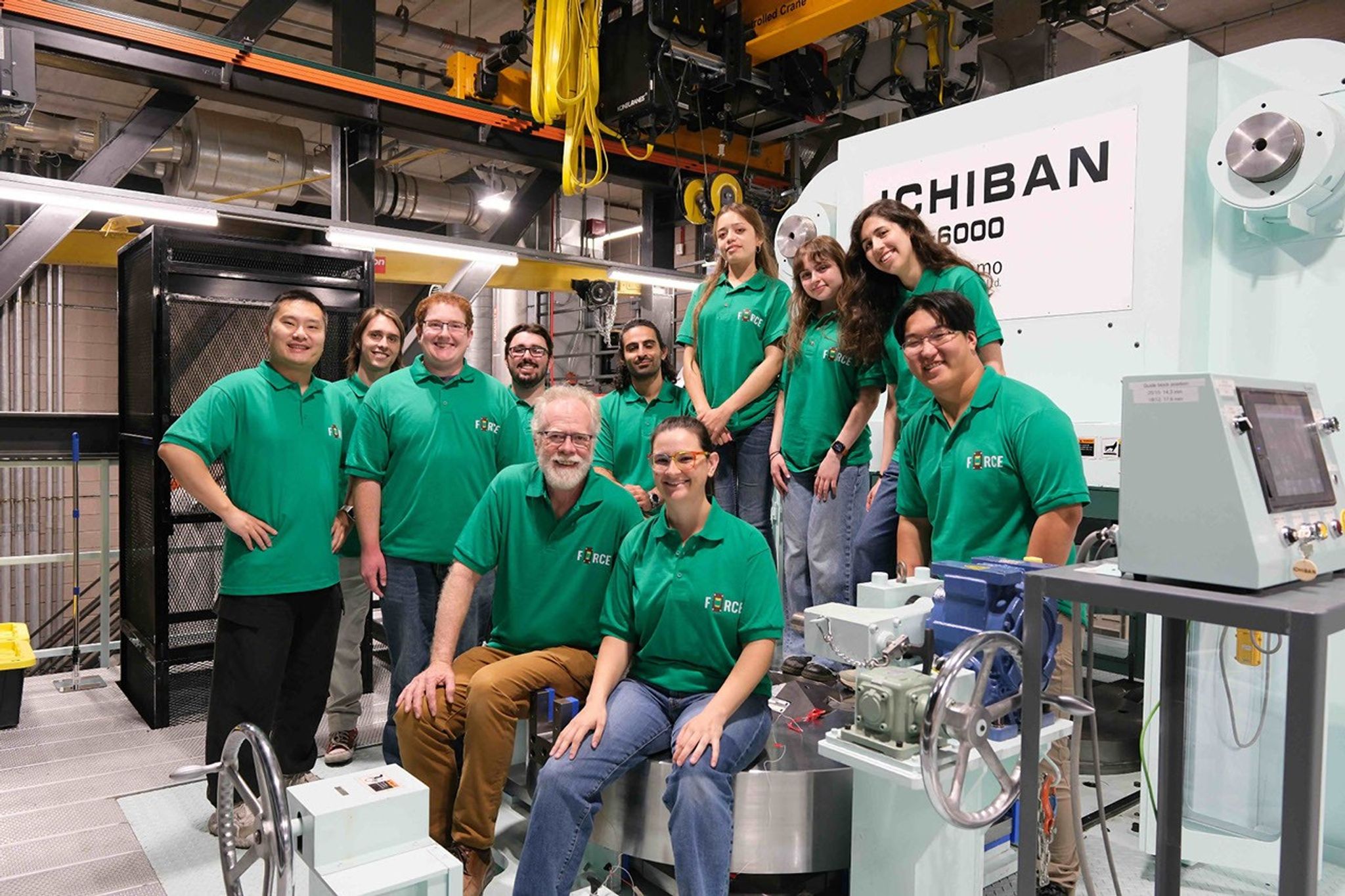
A new cohort of early-career planetary scientists is stepping away from their microscopes and simulation codes to master the art of public communication, thanks to a specialized training initiative spearheaded by NASA. This program focuses on equipping researchers with the tools to translate complex geological and atmospheric data into narratives that resonate with the general public, educators, and policymakers. The initiative recognizes that scientific excellence alone is no longer sufficient for impact in an era where misinformation spreads rapidly and public trust in institutions fluctuates. By integrating communication workshops into their rigorous technical training, these scientists are learning to become effective ambassadors for their fields, ensuring that the groundbreaking discoveries made in laboratories like the High Pressure Science and Engineering Center reach beyond academic journals.
This shift toward public engagement is not merely a trend but a strategic response to the evolving landscape of science funding and public interest. For decades, the primary metric of success for planetary scientists was publication in high-impact journals. However, as climate change and space exploration dominate global headlines, there is an urgent need for experts who can explain why distant planets matter to life on Earth. The Force Science and Technology facility, which uses diamond anvil cells and shock wave experiments to recreate the crushing pressures found at the core of Earth and other planetary bodies, produces data that is inherently abstract. Without clear explanation, the implications of how planets form and evolve remain locked behind dense technical jargon. NASA and partner institutions are now realizing that the next generation of scientists must be bilingual, fluent in both the language of thermodynamics and the language of public discourse. This change is driven by the understanding that public support for science is contingent on public comprehension, and that young researchers are often the most relatable voices to bridge that gap.
The training involves practical exercises in storytelling, social media strategy, and media interaction, allowing scientists to practice explaining high-pressure physics to non-specialists. Participants learn to identify the human interest angles in their work, such as how studying the interior of Mars can inform our understanding of Earth’s magnetic field and its protection against solar radiation. Early feedback from participants suggests that these skills are not just add-ons but essential components of modern scientific literacy. Researchers report feeling more confident in interacting with journalists and more capable of explaining the societal relevance of their niche research. This confidence translates into better public outreach, which in turn can influence educational curricula and policy decisions related to space exploration and planetary defense. The program also fosters a community among young scientists who share best practices for engagement, creating a supportive network that extends beyond the immediate training period.
Looking ahead, this emphasis on communication is likely to become a standard part of graduate education and postdoctoral fellowships in planetary science. As the field expands with new missions to the outer solar system and increased public scrutiny of space activities, the demand for scientists who can effectively communicate their findings will only grow. Institutions that prioritize these skills will likely see higher engagement rates and greater public support for their research agendas. The ultimate goal is to create a culture where public engagement is viewed as integral to the scientific process, not as a distraction from it. By empowering the next generation to speak clearly and compellingly about the universe, NASA is ensuring that the wonder and importance of planetary science are shared with everyone, not just those who can read a peer-reviewed paper. This approach strengthens the social contract between science and society, ensuring that the benefits of exploration are widely understood and valued.
Read Full Story at NASA →