'Nothing short of a minor miracle': 'Rusty treasure' found in the Danube is full of 2,000-year-old iron bars that could equip an entire army with weapons
More than two millennia ago, a ship carrying a wealth of iron sank in the Danube River in what is now Austria. Archaeologists have identified the "rusty treasure" as a collection of 500 iron bars — t…
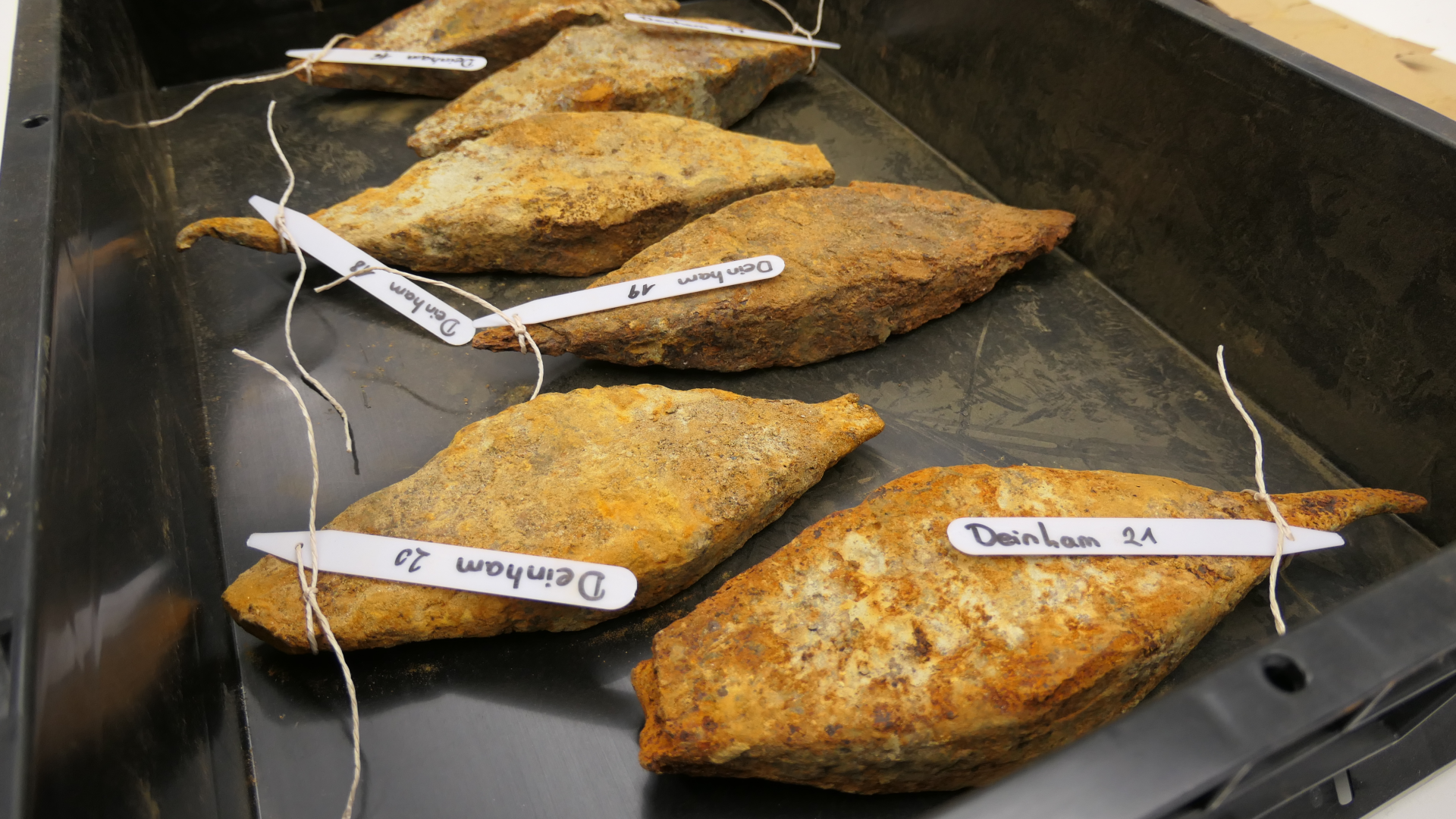
More than two millennia ago, a ship carrying a wealth of iron sank in the Danube River in what is now Austria. Archaeologists have identified the "rusty treasure" as a collection of 500 iron bars — the largest cache of ancient iron ever discovered in Europe and enough metal to equip an army.
The assortment was discovered in 2019, when workers who were extracting gravel from the river near the village of Deinham spotted a few unusual double-pointed iron objects and reported them to the Austrian monument authority.
"It is nothing short of a minor miracle that the largest mass find of prehistoric iron bars in Europe did not end up at scrap dealers," Peter Trebsche , an archaeologist at the University of Innsbruck in Austria, said in a statement.
In a study published Monday (Sept. 21) in the journal Antiquity , Trebsche and co-author Marion Berranger , an archaeologist at the University of Technology of Belfort-Montbéliard in France, detailed their analysis of the extraordinary collection of ancient iron, which dates to the third to second centuries B.C.
From the hundreds of iron fragments recovered from the gravel heaps, Trebsche and Berranger identified 193 complete iron bars and 307 partial bars, for a total of at least 500 bars that were lost centuries ago in the waters of the Danube. On average, the complete bars were 11.2 inches (28.5 centimeters) long and around 4.5 pounds (2 kilograms). Combined, the collection weighed around 2,200 pounds (1 metric ton).
But the Deinham iron bars did not represent finished products. Rather, the double-pointed, semifinished bars — sometimes called ingots — were rough-shaped, intermediate goods that a blacksmith eventually would have forged into other objects.
The semifinished iron bars would have been enough to forge approximately 500 swords, Trebsche said in the statement. "The iron from Deinham would have been sufficient to equip a large group of warriors with weapons," he said, or to produce up to 8,000 iron nails.
Get the world’s most fascinating discoveries delivered straight to your inbox.
Read Full Story at Live Science →