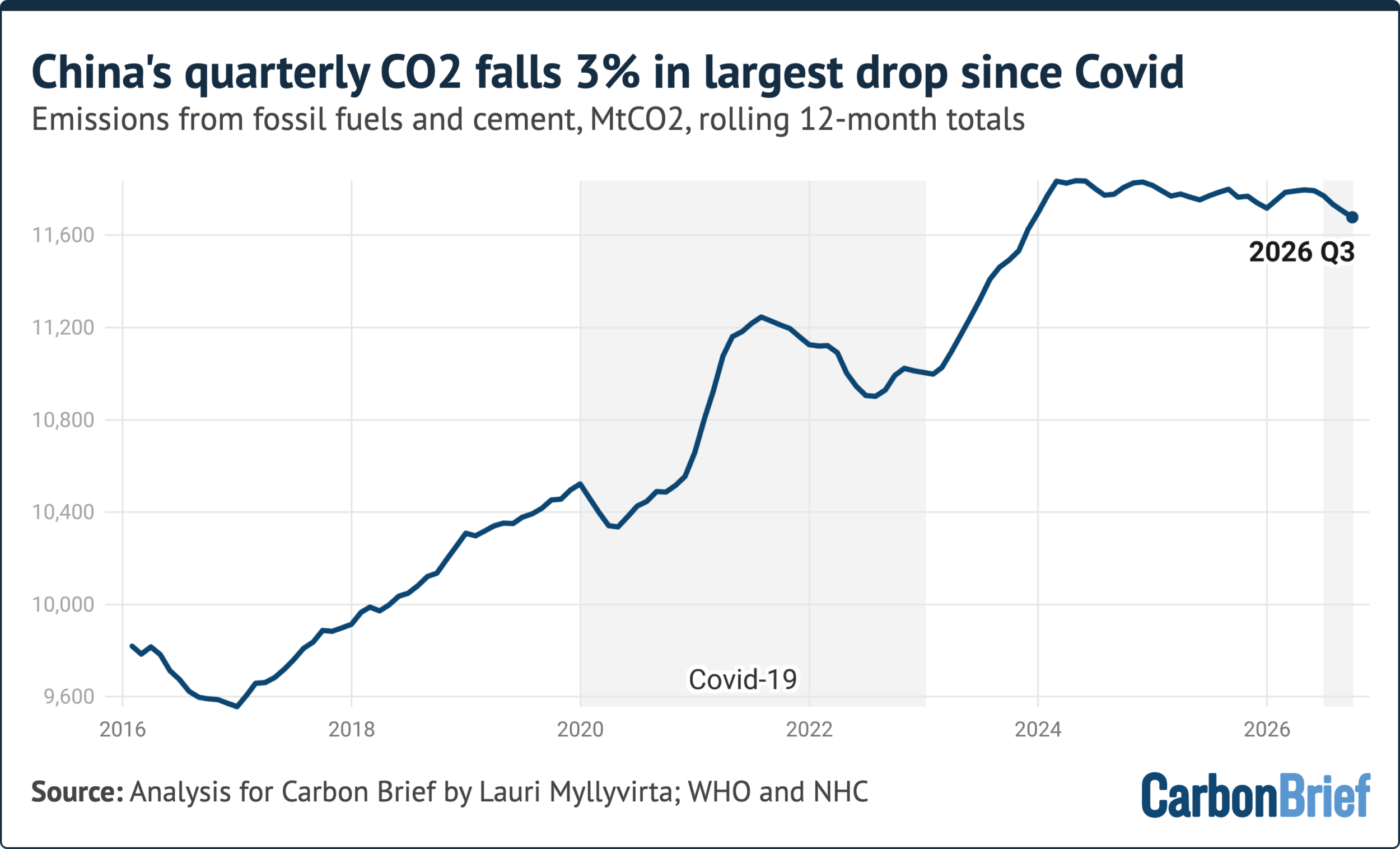
High oil prices drop CO2 emissions as countries seek alternative energy
High oil prices have led to a significant drop in carbon dioxide emissions from fossil fuels, driven by supply disruptions from the conflict in Iran. This shift is prompting countries to seek alterna…
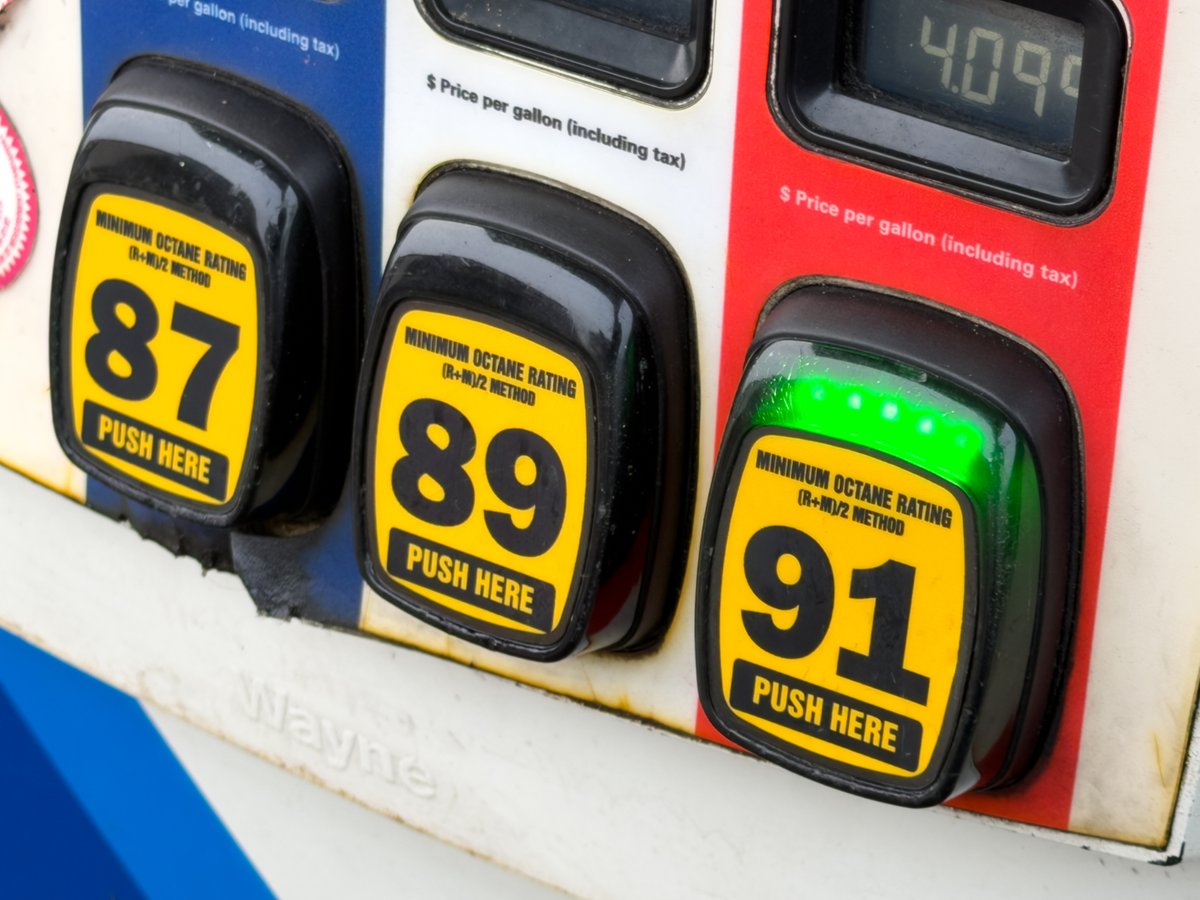
Oil prices have surged to unprecedented levels, driving a significant drop in carbon dioxide emissions from fossil fuels. This trend is largely attributed to the ongoing conflict in Iran, which has disrupted oil production and supply chains. As a result, many countries are now seeking alternative energy sources and reducing their reliance on fossil fuels.
The rise in oil prices has various implications for global energy markets. High costs often lead to decreased consumption, as consumers and businesses alike look for ways to cut back on fuel use. Governments are also incentivized to invest more in renewable energy technologies. The urgency to address climate change has never been more pronounced, and the current situation is pushing nations to rethink their energy strategies. The war in Iran has acted as a catalyst, highlighting vulnerabilities in global oil dependence.
Analysts report that the potential dip in carbon emissions for 2026 could be one of the largest seen in years. While the exact figures are still being calculated, preliminary estimates suggest a decline of several hundred million tons. Countries in Europe and North America, facing higher energy bills, are increasingly turning to renewables. This shift is not only about reducing emissions but also about achieving energy security in a volatile geopolitical landscape.
Looking ahead, this trend could accelerate the transition to cleaner energy sources. If oil prices remain high, we may see lasting changes in consumer behavior and energy policies worldwide. The current situation underscores the interconnectedness of global conflicts, energy prices, and climate change. How governments respond now could shape the energy landscape for decades to come, potentially leading to a more sustainable future.
Read Full Story at Scientific American →