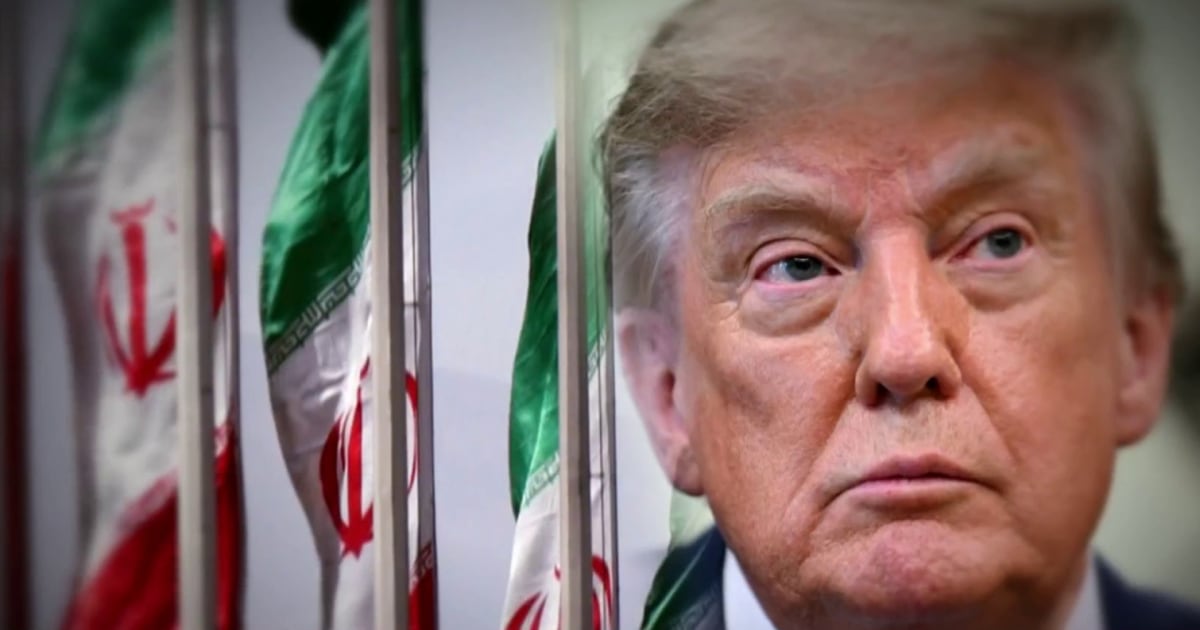
Oil prices drop 3% as US shifts from strikes to sanctions on Iran
Oil prices dropped for the second day as the US opted for economic sanctions against Iran instead of military action, easing fears of immediate conflict that typically drive prices up. West Texas Int…

Oil prices fell for a second consecutive day on Tuesday as traders reacted to the United States' decision to shift from potential military action against Iran to imposing broader economic sanctions. The decline followed a statement from Treasury Secretary Scott Bessent, who labeled the situation an “economic D-Day” for Tehran, signaling an intensified effort to penalize the nation for its activities. This shift in strategy has eased immediate concerns over military conflict, which often drives oil prices higher due to fears of supply disruptions.
The current situation stems from heightened tensions between the US and Iran, which have escalated in recent months over Iran's nuclear program and regional activities. Previous US military strikes against Iranian targets raised fears of retaliatory actions that could affect oil supply routes in the Middle East, particularly through the Strait of Hormuz, a critical chokepoint for global oil shipments. With oil being a major driver of the global economy, any hint of conflict tends to lead to price spikes as traders speculate on potential disruptions.
In the wake of Bessent's announcement, West Texas Intermediate crude fell by 3% to around $70 per barrel, reflecting market relief at the absence of immediate military confrontation. Analysts noted that while sanctions could impact Iran's economy and oil exports, they also create uncertainty in the market. The effectiveness of sanctions will largely depend on the level of cooperation from other countries and whether they are willing to align with US policy, which remains to be seen.
Looking ahead, the market will be closely monitoring the US government's next steps and any specifics regarding the sanctions, including which countries might be affected. This situation is critical, as any new sanctions could further disrupt global oil supplies, particularly if they lead to retaliatory measures from Iran. For now, traders seem to prefer the clarity offered by sanctions over the unpredictability of military strikes, but the underlying tensions in the region continue to pose a risk to oil prices and global markets.
Read Full Story at France 24 →