Protein analysis reveals Denisovans’ distinctive faces
Denisovans had a distinct, robust physical appearance, determined via protein analysis of teeth from northern China. This method bypasses DNA degradation, enabling reconstruction of human relatives i…
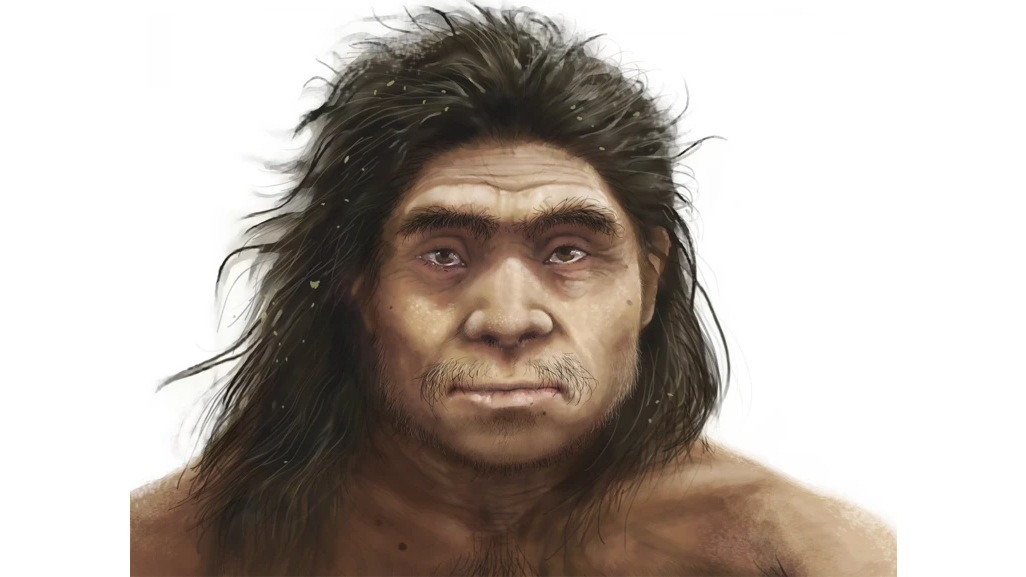
Researchers have determined that Denisovans, a mysterious group of extinct human relatives, possessed a distinctive physical appearance that set them apart from both modern humans and Neanderthals. This conclusion comes from a new paleoproteomic analysis of fossilized proteins found in teeth excavated from the Baishiya Karst Cave in northern China. The study represents a significant breakthrough because it allows scientists to infer physical traits without relying on DNA, which often degrades over time in warmer climates. By isolating specific proteins preserved in the dental enamel, the team was able to reconstruct aspects of the Denisovans' anatomy. The findings suggest these hominins had unique skeletal features that were likely adaptations to their specific environment, offering a clearer picture of who they were and how they lived.
The importance of this research lies in the long-standing mystery surrounding the Denisovans. For decades, their existence was known almost exclusively through a few fragments of bone and tooth discovered in the Denisova Cave in Siberia. Because DNA is fragile and breaks down rapidly in high temperatures, researchers have struggled to find genetic material from Denisovans who lived outside of cold, Siberian environments. This limitation left a massive gap in our understanding of their global range and physical diversity. The use of paleoproteomics, the study of ancient proteins, bypasses the need for intact DNA. Proteins are more stable and can survive in conditions that destroy genetic material. This new method opens a door to studying human evolution in regions where DNA has been lost to time and heat, potentially revealing much more about the spread of early humans across Asia and Africa.
The specific analysis focused on collagen and other structural proteins that provide clues about bone density and shape. The results indicate that Denisovans had heavier, more robust bodies compared to modern humans, similar in some ways to Neanderthals but with distinct differences. This robustness suggests they were well-adapted to the harsh, high-altitude conditions of the Tibetan Plateau, where the Baishiya Karst Cave is located. The distinctive appearance likely included a large nasal cavity and a broad skull, features that would have helped them breathe in thin, cold air. These physical traits were not accidental; they were evolutionary responses to the challenges of living at high elevations thousands of years before modern humans arrived in the region. The study confirms that Denisovans were not just a localized curiosity but a widespread group with significant biological adaptations.
This discovery changes how we view human history by highlighting the diversity of our ancient cousins. It suggests that the story of human evolution is not a simple linear progression but a complex web of interbreeding, adaptation, and extinction. As techniques for analyzing ancient proteins improve, scientists expect to uncover even more details about Denisovan life, including their diet, social structures, and interactions with other hominin groups. The next steps involve applying these methods to fossils from other parts of the world, potentially finding traces of Denisovans in Africa and Europe. This work underscores the value of interdisciplinary approaches in science, combining chemistry, biology, and archaeology to solve puzzles that have stumped researchers for decades. Ultimately, it brings us closer to understanding the full spectrum of human variation and the environmental pressures that shaped our species.
Read Full Story at Live Science →