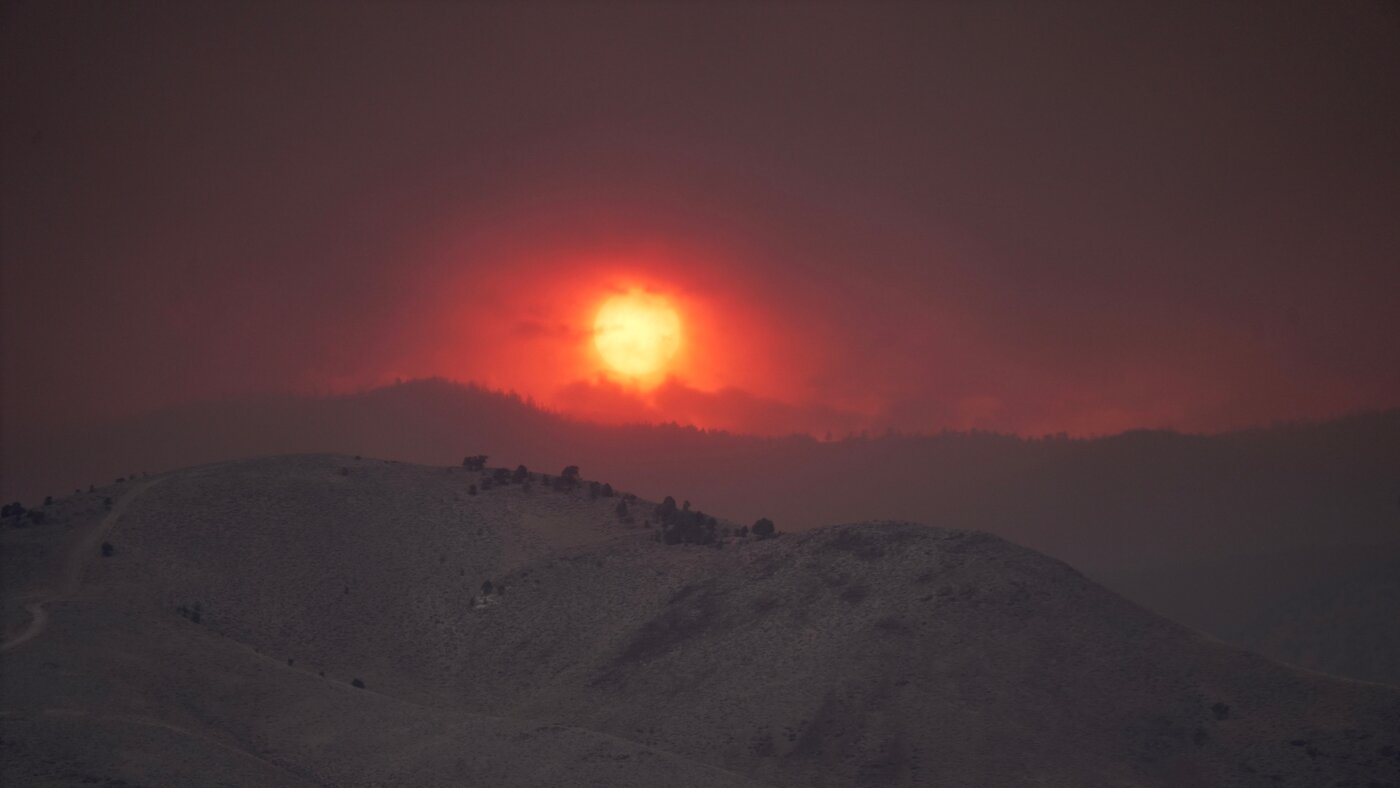
BLM rewrites grazing rules after 30 years
The BLM is rewriting grazing rules for the first time since 1995, aiming to simplify permits but risking reduced public input and environmental reviews. Ranchers want faster approvals, while conservat
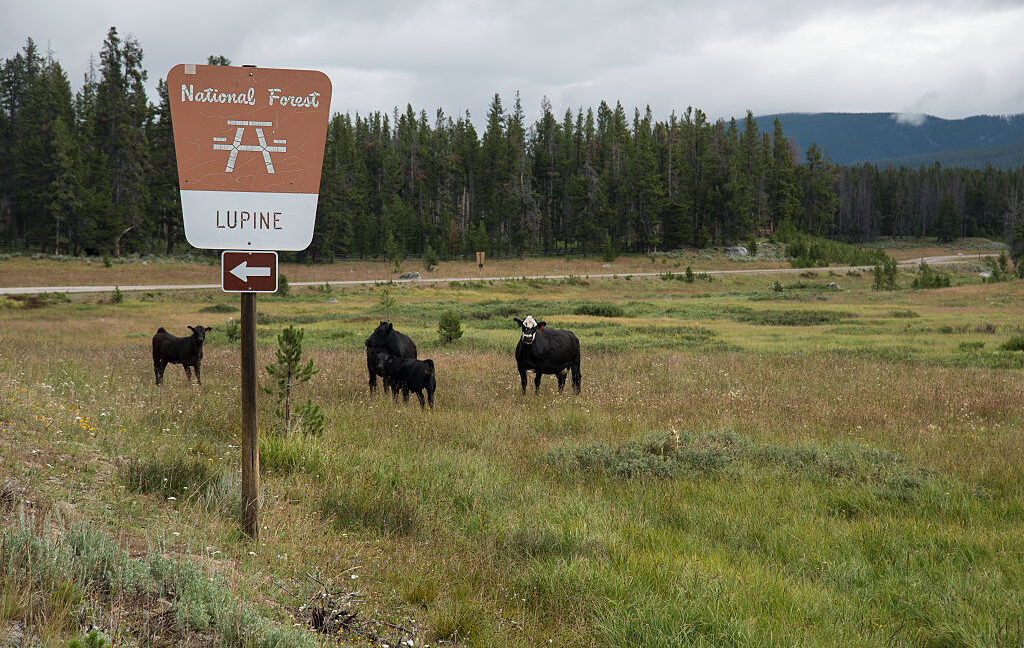
The Bureau of Land Management has begun rewriting its grazing regulations for the first time since 1995, a move that could sharply reduce public input
Read Full Story at Ars Technica →Why This Matters
Public lands grazing is a rare point of consensus in American environmental policy, balancing economic livelihoods with conservation priorities. This rule change could reshape that balance permanently, stripping away decades of public oversight while accelerating a process that historically favors established interests. For taxpayers, it raises questions about whether federal resources are being managed in the public interest—or in the interest of a shrinking rural constituency.
Background Context
The 1995 grazing regulations were born from the Clinton-era reforms, which sought to mitigate ecological damage from overgrazing by imposing stricter monitoring and permit conditions. Since then, ranchers have argued the process has become burdensome, with approvals slowed by environmental reviews and public objections. Meanwhile, conservation groups have used these rules to challenge permits that threaten endangered species habitats, creating a friction that the new proposal aims to resolve in favor of efficiency.
What Happens Next
The public comment period will test whether the BLM’s push for streamlined permits faces significant resistance from environmental advocates or indigenous groups, who have long relied on public input to protect culturally significant lands. Legal challenges are all but certain if the final rule weakens environmental reviews, potentially delaying implementation for years. Meanwhile, ranchers may see short-term gains in permit timelines, but long-term stability could hinge on whether the changes survive court scrutiny.
Bigger Picture
This overhaul reflects a broader trend in federal land management, where deregulatory impulses clash with conservation mandates—seen recently in mining and timber policies. It also underscores the declining role of public participation in agencies like the BLM, which has shifted from a collaborative model to one where decisions are increasingly centralized. For Western communities already grappling with climate-driven drought and land-use conflicts, the outcome could signal whether federal policy prioritizes resilience or expedience.