IRGC rejects U.S. Strait of Hormuz hotline proposal
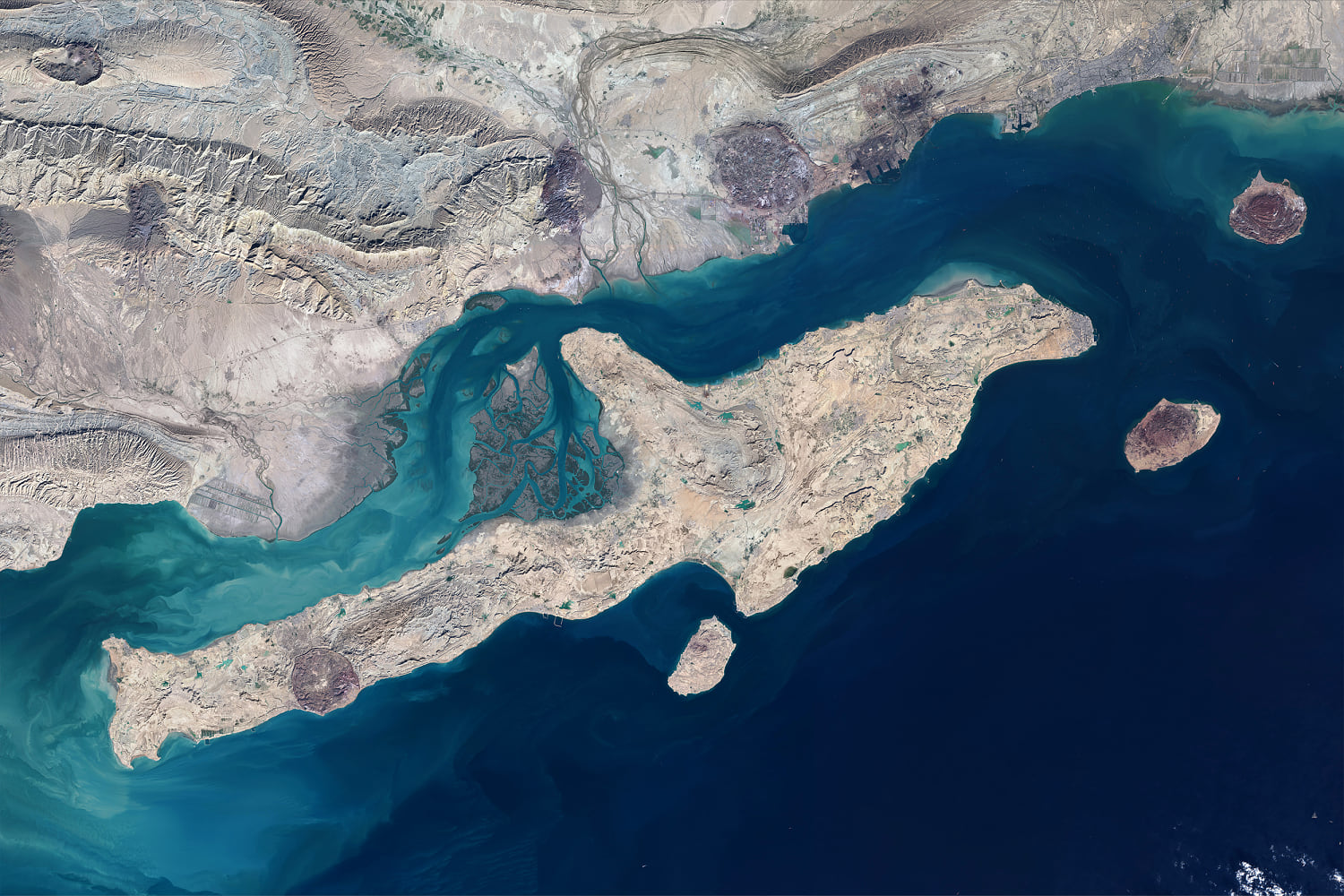
Iran’s Revolutionary Guards rejected a U.S. proposal for a military hotline in the Strait of Hormuz, calling it false and asserting the waterway is Iranian territory. Without direct communication, the

Iran’s Revolutionary Guards have shut down a US proposal for a direct military hotline to calm tensions in the Strait of Hormuz, calling the idea “com
Read Full Story at Al Jazeera →Why This Matters
The refusal to establish a military hotline in the Strait of Hormuz underscores the deepening distrust between Tehran and Washington, where even crisis-management tools are politicized. It signals that accidental escalation—whether through miscommunication or miscalculation—remains a tangible risk in one of the world’s most critical chokepoints, where 20% of global oil transits daily.
Background Context
The Strait of Hormuz has long been a flashpoint, with Iran asserting control over its territorial waters amid decades of disputes with Gulf states and Western powers. Decades of sanctions and covert tensions have eroded channels for dialogue, leaving both sides reliant on indirect signals—an approach that has repeatedly failed to prevent near-confrontations, including in 2019 when Iranian forces seized tankers.
What Happens Next
Without a direct line, any incident—collision, harassment, or perceived aggression—could spiral into retaliation before diplomatic avenues are explored. Regional actors like Oman or the UAE may attempt to fill the gap, but their influence is limited by competing interests. The U.S. may escalate naval patrols, further straining relations with Tehran.
Bigger Picture
This episode reflects a broader erosion of confidence in structured de-escalation mechanisms across the Middle East, where proxy conflicts and asymmetric threats complicate traditional diplomacy. It also highlights how resource-rich regions weaponize control over strategic corridors, turning maritime governance into a proxy for geopolitical dominance.