CFTC urges prediction markets to limit inaccurate filings to boost trading integrity
The CFTC is urging prediction markets to limit inaccurate filings for incentives to enhance trading integrity and transparency. This recommendation aims to prevent market manipulation and build trust…
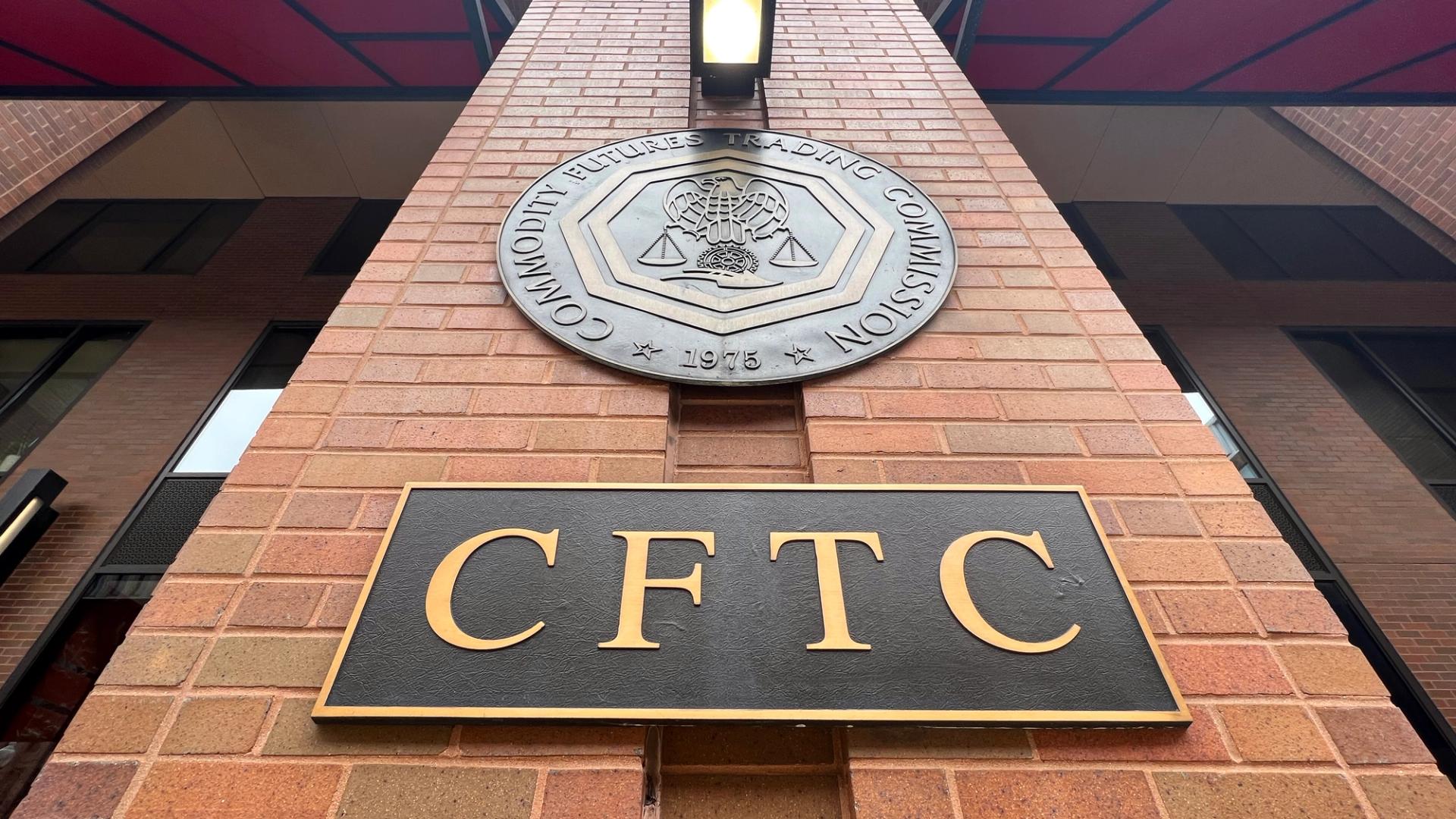
The Commodity Futures Trading Commission (CFTC) has urged prediction markets to reduce erroneous filings for incentives to enhance trading activity. This announcement comes as part of broader efforts to improve market integrity and transparency in the burgeoning field of digital assets and derivatives trading.
The CFTC’s recommendation is timely, as prediction markets have gained traction in recent years, becoming popular platforms for betting on outcomes of events ranging from elections to sports. However, the rise in popularity has also led to an increase in regulatory scrutiny. The CFTC is concerned that the current practices may lead to misleading data and a lack of accountability, which can undermine trust in these emerging markets. The agency's move signals a commitment to ensuring that these platforms operate within a framework that promotes fair trading and accurate reporting.
Recent reports indicate that some prediction markets have been exploiting loopholes in regulatory requirements to maximize incentives. This has raised alarms about the potential for market manipulation and the integrity of the information provided to traders. In response, the CFTC is advocating for stricter guidelines that would limit the ability of these markets to file misleading or inaccurate data to claim incentives. The goal is to create a more reliable environment for traders and to protect investors from deceptive practices.
Looking ahead, the CFTC's call for reform could lead to significant changes in how prediction markets operate. If these markets adopt the proposed guidelines, they may enhance their credibility and attract a more diverse pool of investors. This could foster a healthier trading ecosystem, but it may also challenge some platforms that rely on current practices to drive engagement. As the regulatory landscape evolves, the future of prediction markets will hinge on their ability to balance innovation with compliance.
Read Full Story at CoinDesk →