Scientists confirm NWA 7034 meteorite reveals ancient Martian crust insights
Scientists have confirmed that a meteorite from the Sahara, NWA 7034, is a rare piece of ancient Martian crust, offering insights into Mars’ early environment and potential habitability. This discove…
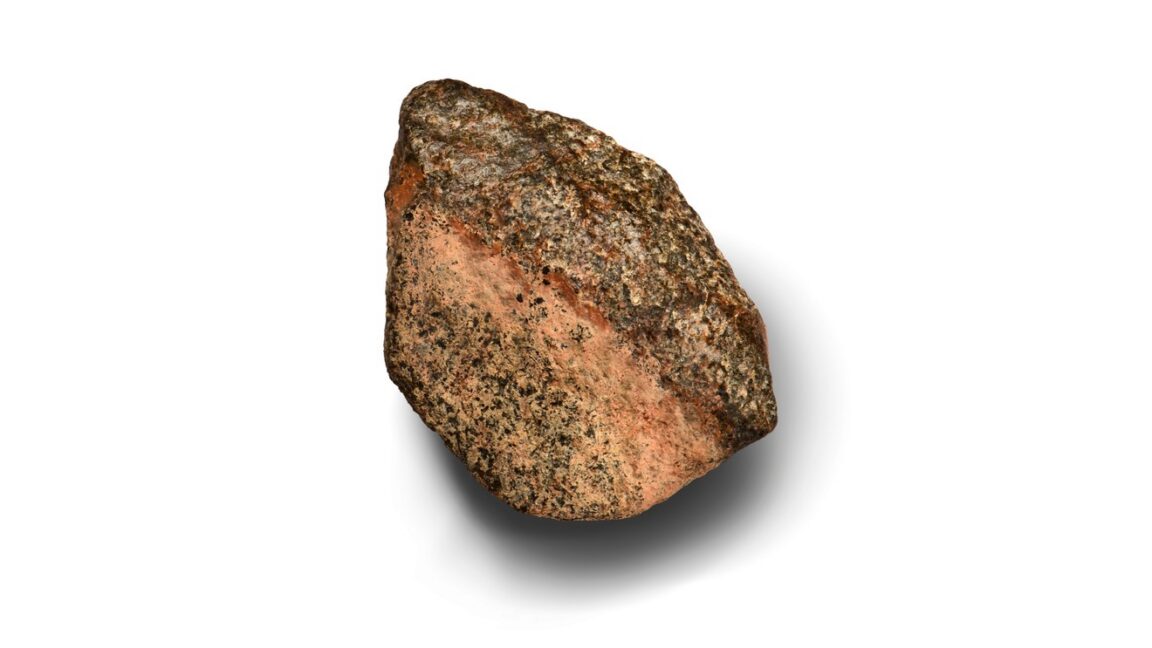
Scientists have confirmed that a meteorite recovered from the Sahara desert is a rare piece of ancient Martian crust. The find was announced on Monday by an international team of planetary scientists after detailed laboratory work at the Smithsonian Institution and the French National Centre for Scientific Research. The rock, catalogued as NWA 7034, was collected in 2011 from a remote stretch of the Sahara and has now been identified as a fragment of Mars’ early surface, not a volcanic rock like most other Martian meteorites.
The discovery matters because almost all Martian meteorites found on Earth are pieces of the planet’s volcanic lava, which tell us little about the crust that once covered the surface. Crustal material can reveal how Mars cooled, whether it ever had oceans, and how its atmosphere changed over time. Researchers have long sought such a sample, hoping it would fill gaps in the story of a planet that may have been habitable billions of years ago. The meteorite’s arrival on Earth is a reminder that impacts on Mars can launch rocks into space, where they eventually intersect Earth’s orbit.
NWA 7034, nicknamed “Black Beauty,” is about 4.5 billion years old, making it one of the oldest known Martian rocks. Chemical tests show it contains higher levels of water‑bearing minerals than typical Martian meteorites, suggesting the early crust held more moisture than previously thought. Isotope ratios indicate the rock formed from the planet’s original crust, not later volcanic activity. Lead researcher Dr Emily Zolensky said the meteorite “offers a window into a time when Mars may have been warm enough for liquid water.” The findings could reshape models of the planet’s early climate and its potential to support life.
The team plans to subject the meteorite to further analyses, including high‑resolution imaging and laser‑based dating, to map its mineral layers in detail. These data will help calibrate future missions that aim to return samples directly from Mars, such as NASA’s Perseverance rover and the upcoming Mars Sample Return campaign. If the crustal composition matches what is found on the Red Planet’s surface today, it will strengthen the case for targeting similar regions in future lander missions. For now, the Sahara rock provides the most direct glimpse yet of Mars’ ancient crust, offering clues that could finally answer whether the planet ever hosted life.
Read Full Story at Ars Technica →