Rokid unveils smart glasses to compete with Meta's Ray-Ban on January 9
Rokid will unveil two new models of smart glasses at the Consumer Electronics Show in Las Vegas on Jan. 9, positioning the Chinese maker against Meta’s Ray‑Ban wearable line.
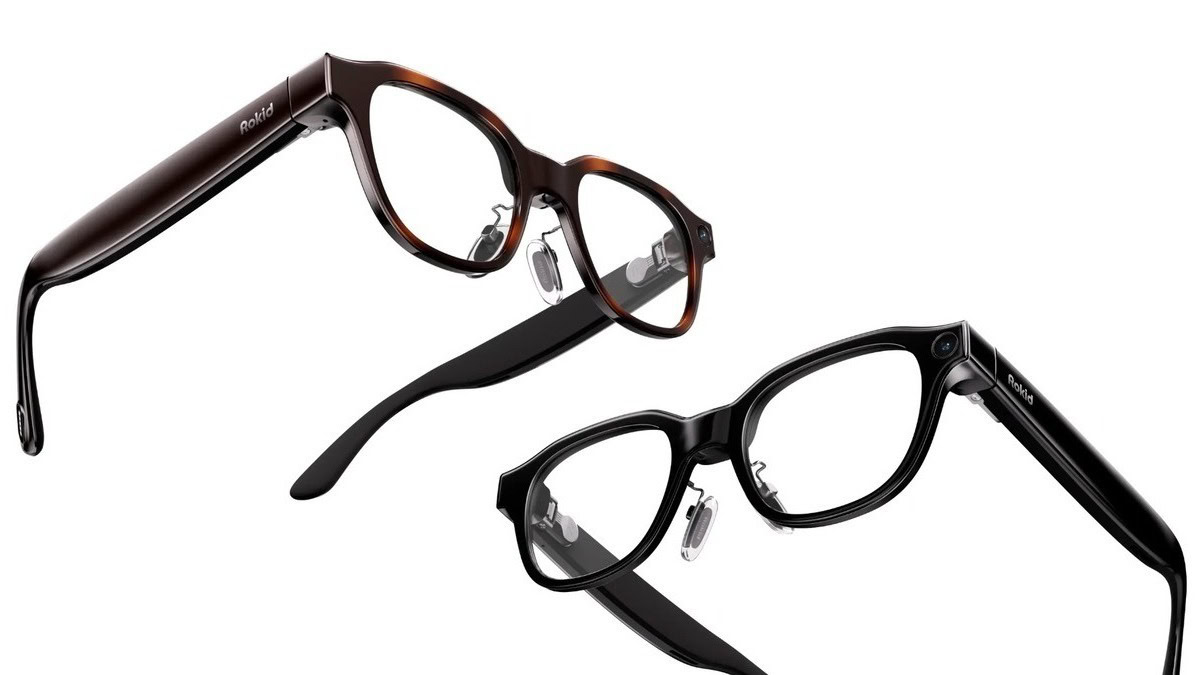
Rokid will unveil two new models of smart glasses at the Consumer Electronics Show in Las Vegas on Jan. 9, positioning the Chinese maker against Meta’s Ray‑Ban wearable line. The company says the devices combine high‑resolution displays with voice control and a lightweight design, aiming to attract consumers who want true augmented‑reality (AR) features rather than simple photo‑video capture.
The move comes as the AR market heats up after a wave of big‑tech announcements. Meta partnered with Ray‑Ban last year to launch Ray‑Ban Stories, a camera‑centric product that fell short of true AR capabilities. Competitors such as Apple, Google and Snap have all signaled plans for more immersive glasses. Rokid, founded in 2014, has already shipped its Rokid Glass to enterprise clients in China and the United States, and now seeks to capture the consumer segment that has been hesitant to adopt bulky headsets.
Rokid’s two CES prototypes include a “Rokid Air” model with a transparent waveguide display that can overlay digital information onto the real world, and a “Rokid Vision” version aimed at gaming with a higher refresh rate and integrated spatial audio. The company says the glasses will support Android and iOS apps, and will be priced below $500, undercutting the projected $1,000 cost of Meta’s upcoming Ray‑Ban Meta AR glasses. Analysts note that a lower price could help drive early adoption, though they caution that battery life and privacy concerns remain hurdles.
If the prototypes perform as promised, Rokid plans to begin limited sales by mid‑2025, followed by a broader launch in 2026. The company will also open a developer portal to encourage third‑party apps, hoping to build an ecosystem that rivals Meta’s. Success could shift the balance in the crowded AR space, giving consumers a viable alternative to the Ray‑Ban partnership and accelerating the push toward everyday augmented‑reality wearables.
Read Full Story at Android Authority →