Scientists discover human-only gene boosting brainpower
A uniquely human gene in brain immune cells (microglia) may explain advanced cognition by prolonging their maturation, allowing more complex neural connections. This could link to neurodevelopmental …
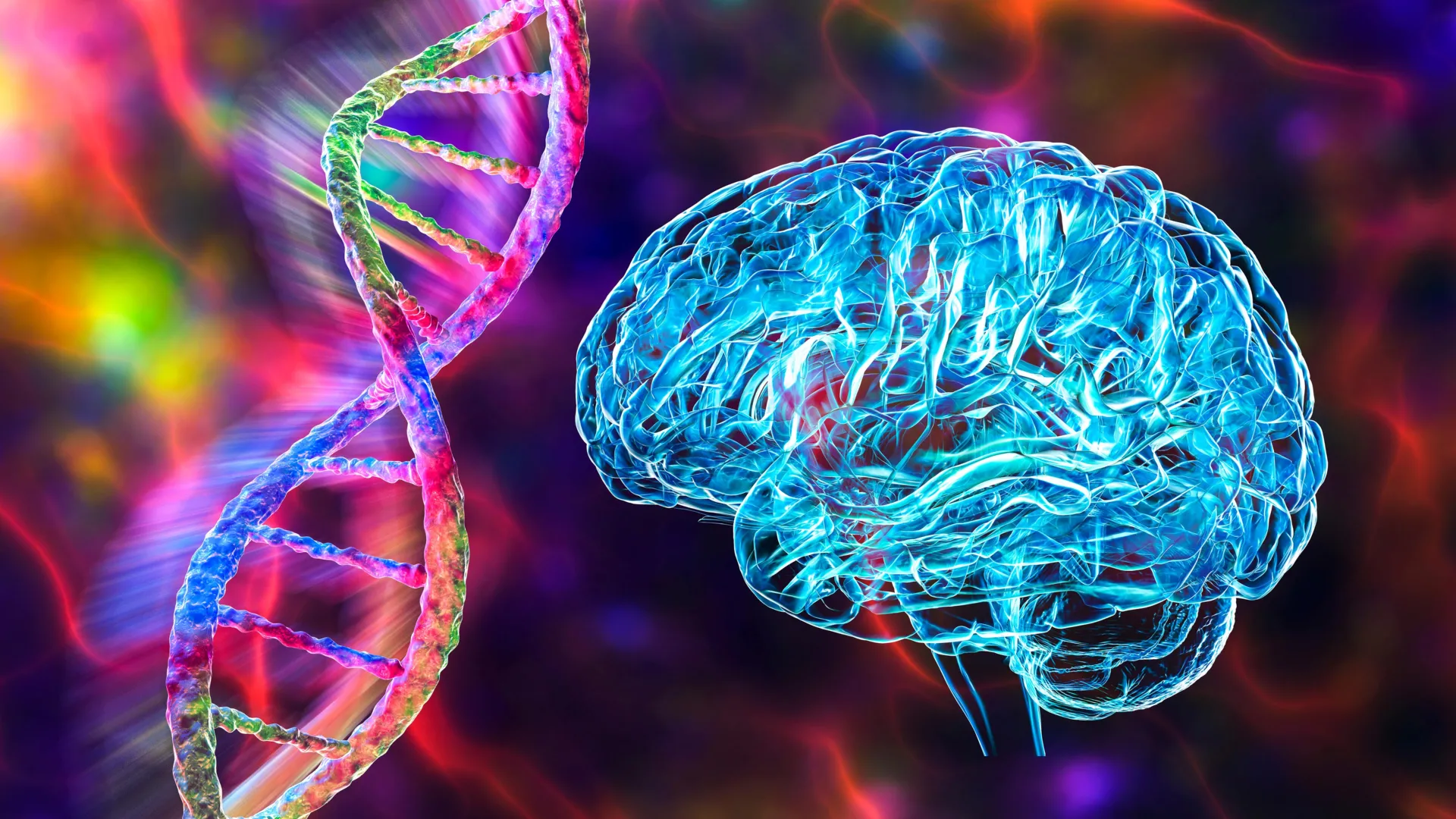
Scientists have identified a uniquely human gene in brain immune cells that may help explain our advanced cognitive abilities, according to new research published in *ScienceDaily*.
The discovery centers on microglia, the immune cells that prune and shape brain circuits during development. In humans, these cells take four to eight years to mature—far longer than in mice, where the process takes weeks. This slow maturation may allow the human brain more time to form complex neural connections, contributing to our superior intelligence. The finding builds on years of research into how human brains differ from those of other species, particularly in early development.
The study suggests that this prolonged development window gives microglia more time to refine brain wiring, potentially enabling higher-order thinking. Previous work has shown that microglia play a key role in synaptic pruning—the process of eliminating weak neural links to strengthen important ones. In humans, this extended timeline could allow for more precise and sophisticated brain architecture, supporting language, reasoning, and social cognition.
Researchers now plan to investigate whether mutations in this gene or disruptions in microglial development are linked to neurodevelopmental disorders like autism or schizophrenia. Understanding these mechanisms could also shed light on why human brains are uniquely capable of complex thought, while offering new avenues for treating cognitive impairments.
Read Full Story at ScienceDaily →