Researchers develop bone regeneration material from sheep's wool keratin
Researchers have developed a new bone regeneration material using keratin from sheep's wool, which creates tissue more similar to healthy bone compared to traditional collagen scaffolds. This innovat…
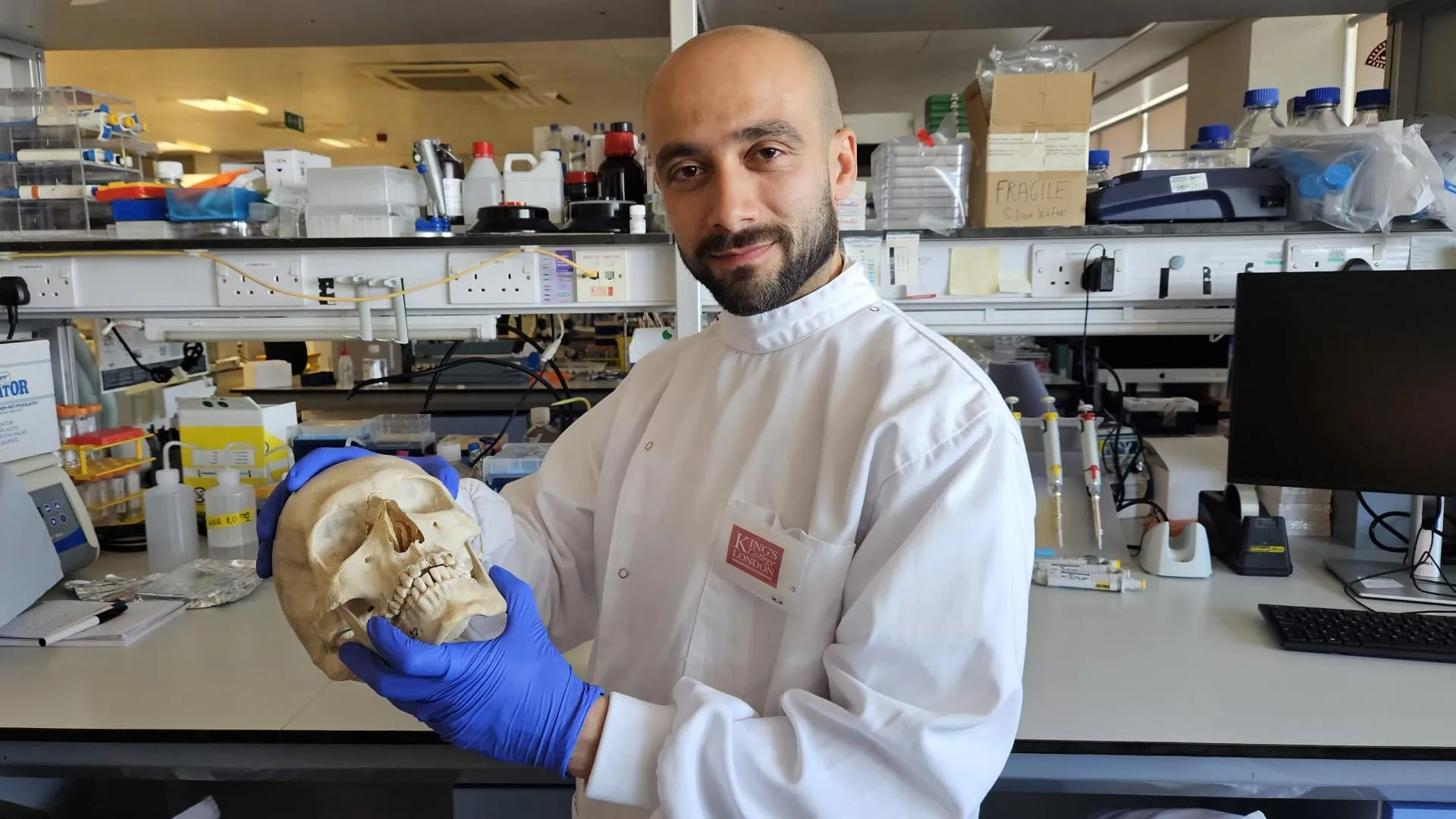
Researchers have successfully used keratin extracted from sheep’s wool to regenerate damaged bone in animal models, creating tissue that is more organized and structurally similar to healthy bone than tissue grown with conventional collagen scaffolds. This breakthrough suggests that an abundant agricultural byproduct could become a promising new material for regenerative medicine, potentially offering a safer and more effective alternative to current bone grafting methods. The study, reported by ScienceDaily, highlights a significant shift in how scientists approach tissue engineering by looking to renewable biological resources rather than synthetic or animal-derived materials that often trigger immune responses.
The need for better bone regeneration materials is urgent, as bone defects caused by trauma, disease, or surgery often require grafts that are limited in supply and carry risks of disease transmission or immune rejection. Currently, doctors rely heavily on autografts, which involve taking bone from another part of the patient’s body, or allografts from donors, both of which have significant drawbacks. Autografts create a second surgical site and pain for the patient, while allografts can carry the risk of transmitting diseases or causing immune reactions. Synthetic scaffolds have been developed to bridge this gap, but they often fail to mimic the complex structure of natural bone, leading to slower healing and weaker structural integrity. Collagen, a common protein used in scaffolds, has shown promise but often lacks the durability and precise structural cues needed for optimal bone regrowth. The new approach leverages keratin, a fibrous protein found in hair, nails, and wool, which shares structural similarities with bone matrix proteins but has been underutilized in medical applications due to challenges in extraction and processing.
The research team discovered that keratin from sheep’s wool could be processed into a scaffold that not only supports cell growth but also guides the organization of new bone tissue in a way that closely resembles natural bone architecture. In animal trials, the keratin-based scaffolds promoted the formation of mineralized tissue that was more ordered and robust compared to collagen-based controls. This improved organization is critical because bone is not just a static structure; it is a dynamic tissue that requires specific alignment of cells and minerals to withstand mechanical stress and heal properly. The use of wool is particularly notable because it is a renewable, low-cost, and widely available resource. Unlike collagen, which is often derived from bovine or porcine sources and can raise ethical or religious concerns, wool is a byproduct of the textile industry that is often discarded or underutilized. By converting this waste product into a medical-grade material, scientists are addressing both a medical need and an environmental challenge, aligning with broader trends in sustainable biotechnology.
Looking ahead, the next steps involve rigorous clinical trials to ensure the safety and efficacy of keratin-based scaffolds in human patients. Researchers will need to demonstrate that the material integrates well with human bone, does not trigger adverse immune responses, and maintains its structural integrity over time. If successful, this technology could revolutionize orthopedic surgery, providing a readily available and biocompatible option for repairing complex bone injuries. It also opens the door to exploring other keratin sources, such as human hair or feathers, for similar medical applications. The potential impact extends beyond bone regeneration; keratin’s unique properties could be applied to cartilage repair, skin grafts, or even nerve regeneration. As the field of regenerative medicine continues to evolve, the integration of sustainable, biologically derived materials like wool keratin represents a promising direction for creating safer, more effective treatments for patients worldwide.
Read Full Story at ScienceDaily →