NASA finds ice in Nobile Crater for Artemis base
NASA’s Lunar Reconnaissance Orbiter captured a 2026 image of Nobile Crater’s ice-rich basin, where temperatures reach -248°C, potentially providing water, oxygen, and fuel for the 2028 Artemis base. …
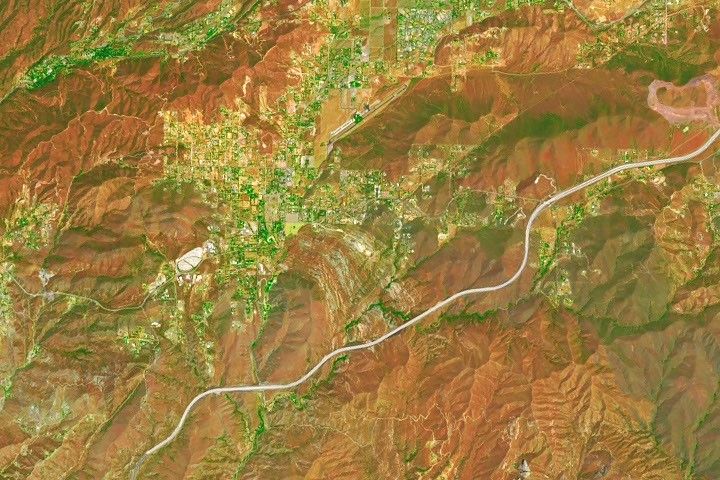
NASA on Tuesday released the August 2026 “Image of the Day” puzzler, a striking overhead view of a jagged, dark-edged basin surrounded by pale, spidery ridges. The picture was taken in September 2026 by the Lunar Reconnaissance Orbiter, part of a continuing campaign to map the moon’s south pole before humans return in 2027.
What makes the basin interesting is that it may hold permanently shadowed ice—water that never sees sunlight—and that ice could supply drinking water, oxygen, and rocket fuel for the Artemis base planned for 2028. The ridges are ejecta blankets from ancient impacts, and the dark edges are steep slopes that stay cold enough to trap volatiles year-round.
Mission scientists say the feature is inside Nobile Crater, a 73-kilometre-wide depression near the lunar south pole. Data from NASA’s Diviner instrument show surface temperatures as low as minus 248 °C, cold enough for water ice to survive indefinitely. Earlier radar readings by the Chandrayaan-1 and Lunar Prospector missions hinted at buried ice, but the new high-resolution images give planners their sharpest look yet at landing ellipses and rover routes.
Next month, NASA will open a public poll asking citizens to vote on a name for the site; the winner will be announced in October. In 2027, the crew of Artemis III is slated to touch down within 100 kilometres of Nobile, and a small rover will drill and analyse the ice before the permanent habitat is built. If water is confirmed, it would slash the cost of sustaining a permanent presence on the moon and shorten the trip to Mars.
Read Full Story at NASA →