Super El Niño expected to peak in December 2026, raising global temperatures
The current "super El Niño" is expected to peak in December 2026, potentially raising global temperatures by up to 1.5 degrees Celsius and worsening climate-related challenges. Its impacts will vary …
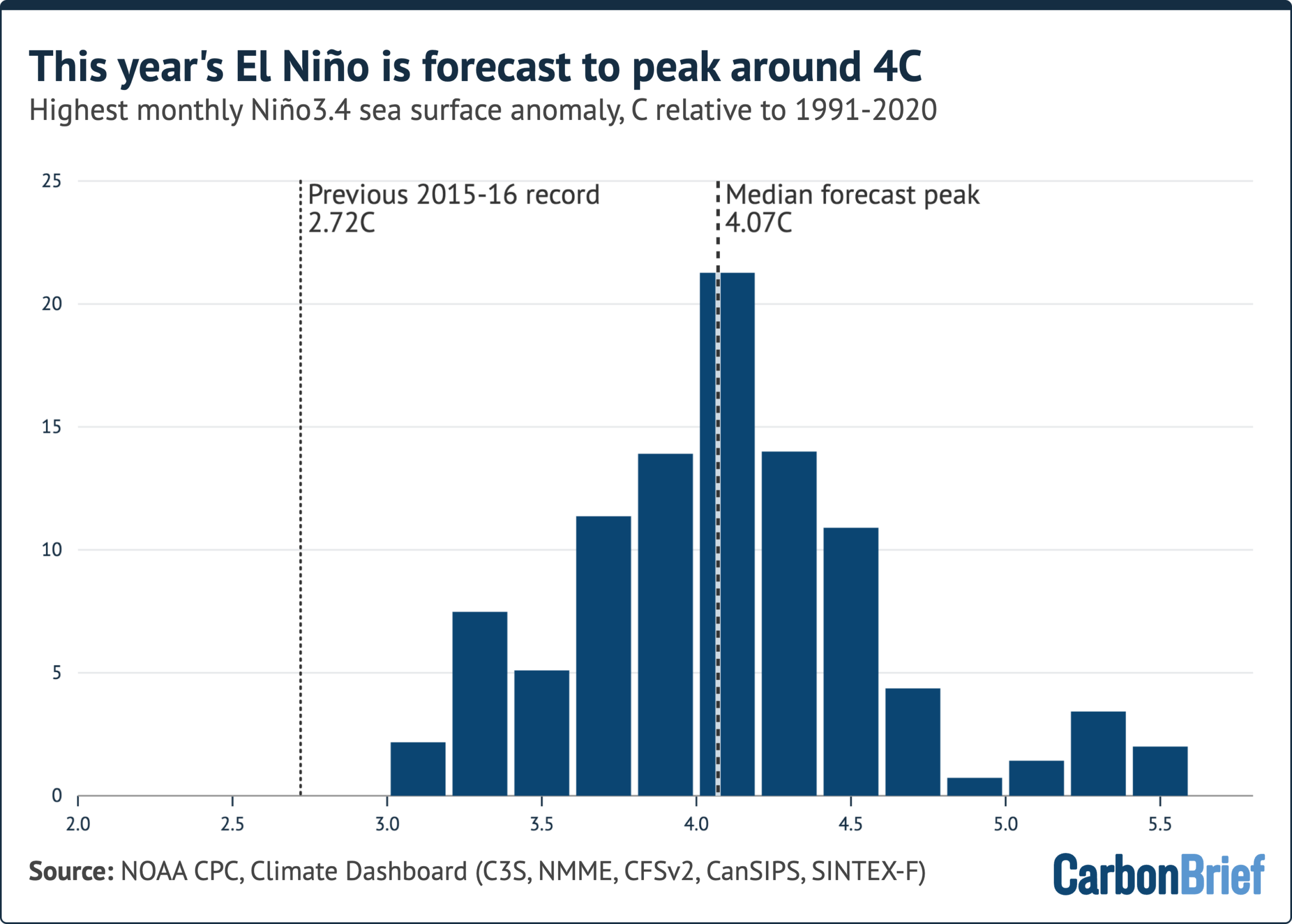
The ongoing “super El Niño” phenomenon is on track to peak in December 2026, according to climate scientists. This event is characterized by unusually warm ocean temperatures in the central and eastern Pacific, which can have widespread impacts on weather patterns globally. The current super El Niño is expected to significantly influence temperature and precipitation trends, affecting millions of people.
This super El Niño is particularly concerning because it follows a series of warm years. The previous El Niño events have already contributed to a rise in global temperatures, and this event is anticipated to push average global temperatures even higher. Climate models suggest that the peak may lead to a global temperature increase of up to 1.5 degrees Celsius above pre-industrial levels. This is a critical threshold that could exacerbate climate-related challenges, including extreme weather, rising sea levels, and food security issues.
Experts warn that the effects of this super El Niño will be felt unevenly around the world. Regions such as Southeast Asia and parts of Africa may experience droughts, while others, like the western United States, could see increased rainfall and flooding. These changes can disrupt ecosystems and agriculture, leading to economic hardships. Governments and humanitarian organizations are already preparing for potential crises as they monitor the situation closely.
Looking ahead, the implications of this super El Niño are profound. If the peak occurs as predicted, the world could face a series of challenges that require urgent action. Policymakers will need to address the impacts on agriculture, water supply, and disaster response. The interconnected nature of global weather systems means that this event may also have ripple effects on international relations, particularly in how countries respond to climate-induced migration and resource shortages. Understanding and preparing for these changes is crucial as the world grapples with the realities of climate change.
Read Full Story at Carbon Brief →