S&P 500 drops 3.7%, Nasdaq enters negative territory amid AI stock decline
The S&P 500 fell 3.7% and the Nasdaq composite dropped 5.3%, entering negative territory for the year, primarily due to a decline in AI stocks. This downturn highlights concerns over unsustainable hi…
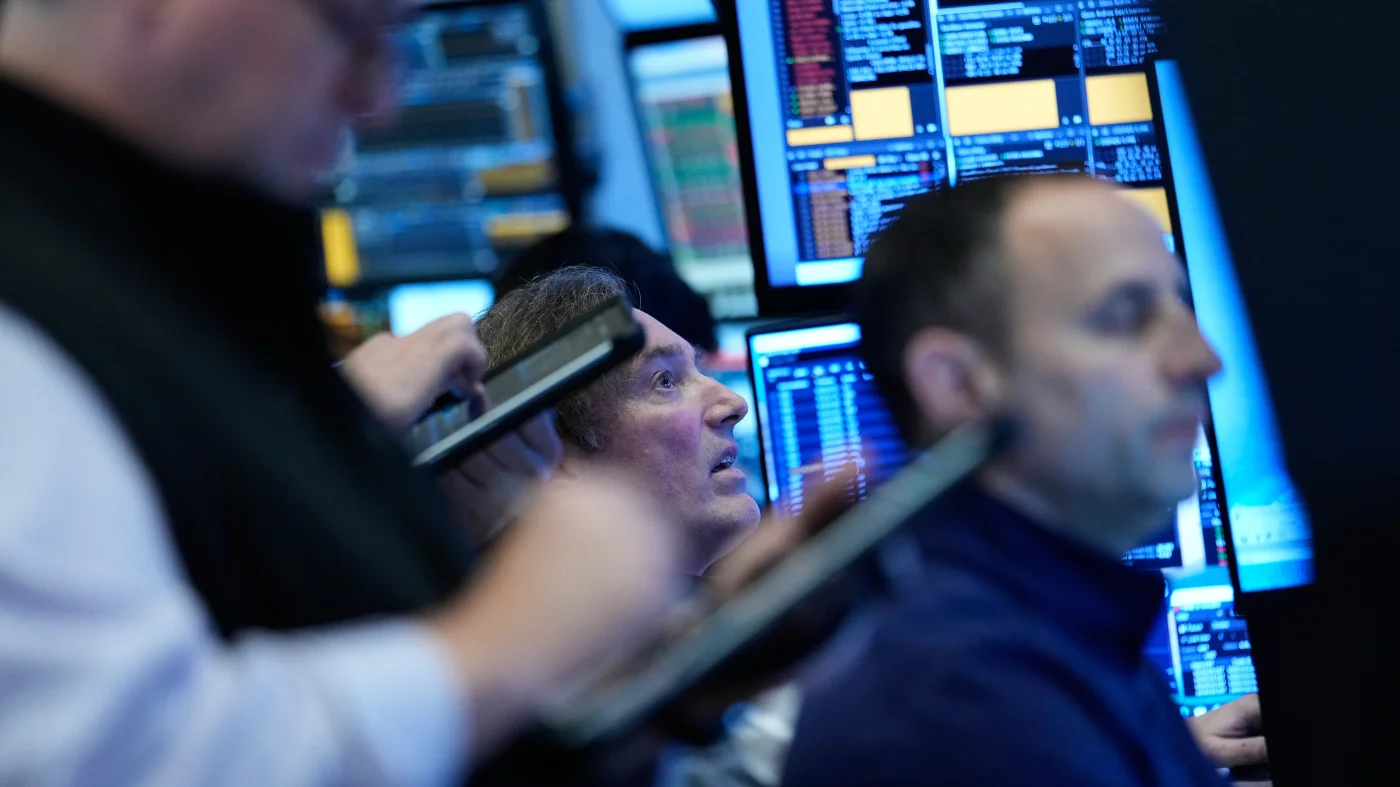
The S&P 500 dropped 3.7% on Friday, marking its worst weekly loss in over 18 months, while the Nasdaq composite fell 5.3%, pushing it into negative territory for the year. This significant sell-off was primarily driven by a decline in artificial intelligence stocks, which have been central to the market's rally earlier this year.
The S&P 500 is now in a "correction," having fallen more than 10% from its all-time high on October 6. This is the first correction since March 2025, when market fears surrounding the Trump administration's trade war caused similar turmoil. The Nasdaq's recent slump is nearly its worst weekly decline since March 2020, during the early days of the COVID-19 pandemic. The Dow Jones Industrial Average, less affected by technology stocks, also fell by 1.9%.
The sell-off has hit chipmakers particularly hard, with companies like Nvidia, Micron Technology, and Broadcom experiencing steep losses. Nvidia, often viewed as the face of the AI boom, fell for nine out of the last ten trading days. Other companies linked to AI, including Corning and Bloom Energy, also saw considerable declines. The PHLX Semiconductor Index, which tracks the performance of semiconductor companies, dropped 10.7%. Analysts are concerned that the high valuations and heavy expenditures in the AI sector may not be sustainable.
This downturn in technology stocks has influenced markets globally, with Japan’s Nikkei and South Korea’s Kospi each falling over 5%. The concerns surrounding AI stocks have been amplified by the results of the recent midterm elections, where candidates advocating for a slowdown in data center construction gained traction. Michael Antonelli, a market strategist at Baird, suggested that the era of unlimited spending in the AI sector is nearing its end, although he believes the broader bull market that began in October 2022 is not necessarily finished.
Read Full Story at NPR News →