Stanford researchers find human brain consists of two distinct organs
Stanford researchers discovered that the human brain consists of two distinct organs formed from separate cellular lineages, which challenges traditional views of its structure. This finding enables …
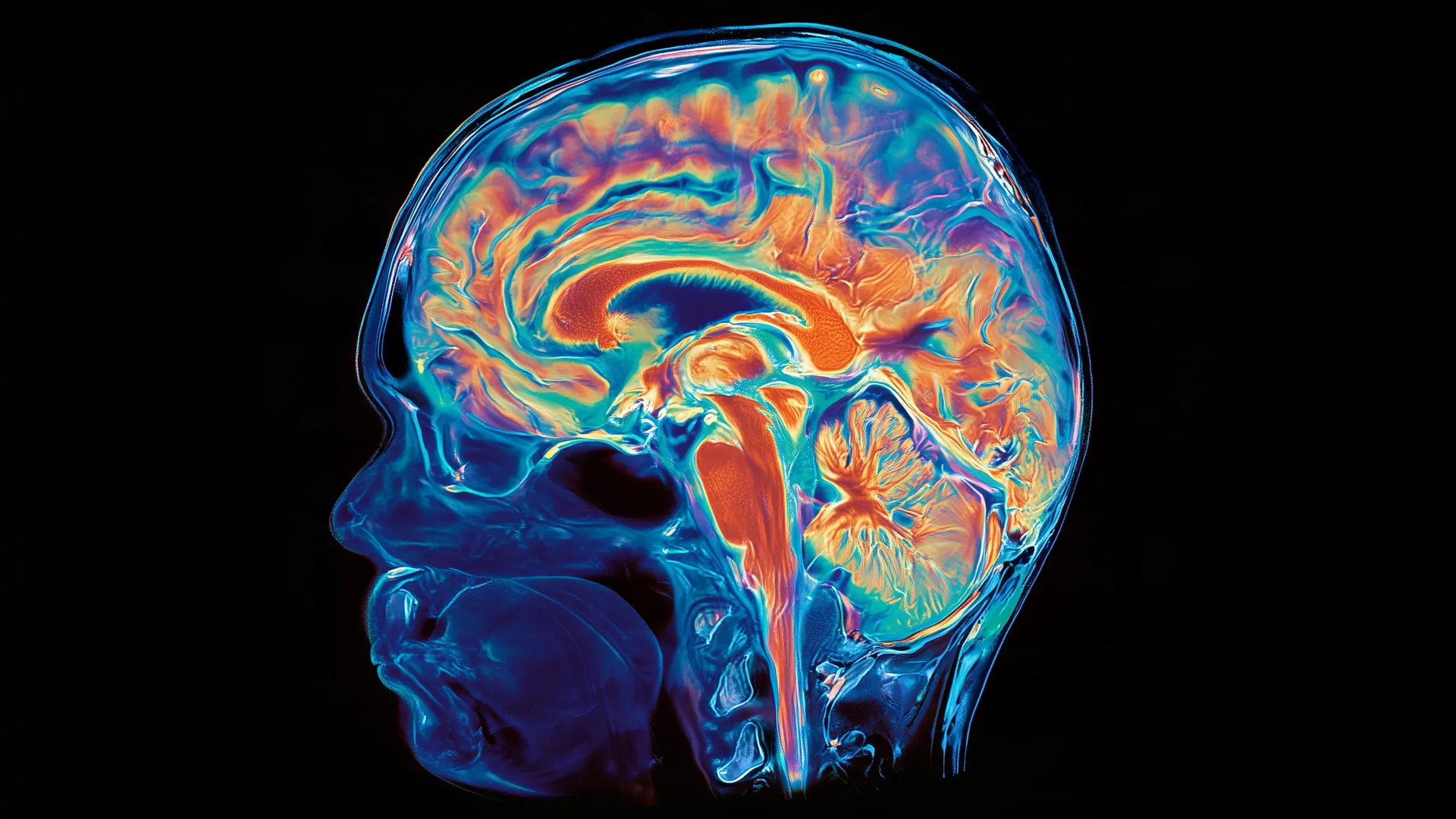
Stanford researchers announced on Tuesday that the human brain appears to be built from two separate cellular lineages, effectively making it two distinct organs that merged during evolution. The team, led by developmental biologist Dr. Emily Hsu, used single‑cell RNA sequencing to trace the origins of brain cells in early embryos and found that forebrain and hindbrain neurons arise from independent progenitor pools that never mix. The discovery also enabled the scientists to grow functional hindbrain neurons in a dish for the first time, opening new avenues for studying diseases that affect the brainstem.
The finding challenges the long‑standing view of the brain as a single, uniform structure. For decades, neuroscientists have grouped the brain into regions based on function, but developmental biology has hinted that these regions may have different evolutionary histories. Recent advances in high‑resolution single‑cell profiling have finally provided the tools to test that idea. Earlier work on mouse models suggested a split between anterior and posterior brain fields, but human data were lacking. By comparing gene‑expression patterns across thousands of cells from human embryos, the Stanford team confirmed that the two systems use distinct signaling pathways and transcription factors, reflecting their origins in ancient nervous systems that once operated independently in early vertebrates.
The ability to culture hindbrain neurons in vitro is expected to accelerate research into disorders such as amyotrophic lateral sclerosis (ALS), spinal muscular atrophy (SMA) and other brainstem‑linked conditions that have been difficult to model. Dr. Hsu said the lab‑grown cells respond to known neurotoxic compounds in ways that match patient tissue, suggesting they could serve as reliable test beds for new drugs. The researchers plan to map the full developmental timeline of both lineages and to screen small‑molecule libraries for compounds that protect hindbrain neurons. If successful, the work could shorten the path from discovery to clinical trial for therapies targeting the most lethal neurodegenerative diseases.
Read Full Story at ScienceDaily →