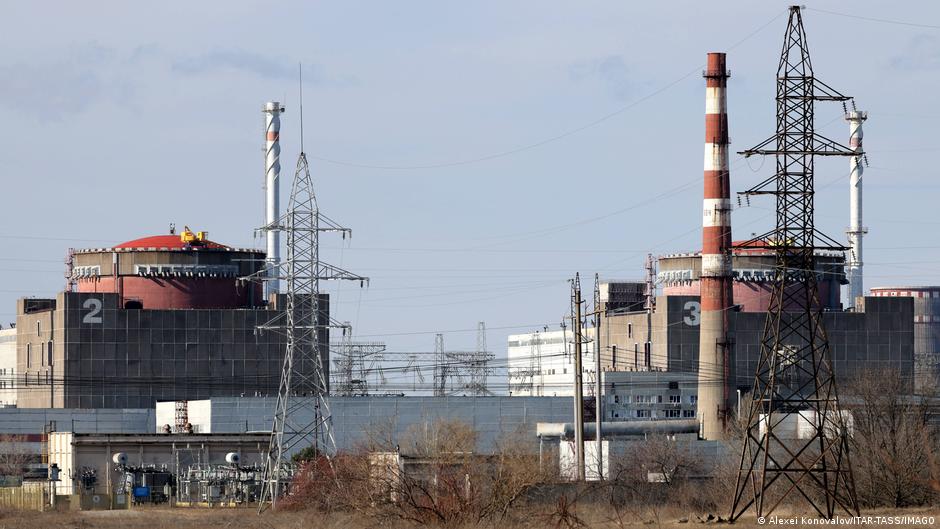
RSF encircles El-Obeid amid fears of escalation
The Rapid Support Forces (RSF) are surrounding el-Obeid, a strategic Sudanese city, raising fears of mass violence and a possible ground offensive. Controlling el-Obeid would give the RSF a key logist
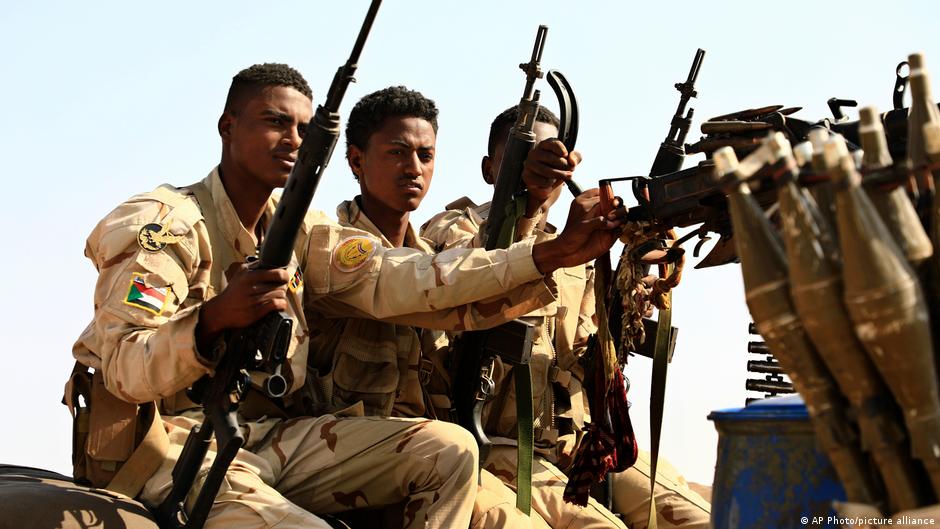
The Rapid Support Forces (RSF) paramilitary group is tightening its grip around el-Obeid, a strategic city in North Kordofan, raising fears of imminen
Read Full Story at DW World →Why This Matters
The encirclement of el-Obeid by the RSF isn’t just a military maneuver—it’s a potential inflection point in Sudan’s civil war, threatening to escalate localized violence into a broader humanitarian catastrophe. Control of this city, a historical crossroads in Sudan’s agrarian belt, could decisively shift the balance of power, but not without catastrophic civilian costs. The stakes extend beyond Sudan’s borders, as the crisis risks destabilizing neighboring Chad and South Sudan, already fragile from years of proxy conflicts.
Background Context
El-Obeid’s strategic value lies in its position as a nexus of trade and transportation, connecting Darfur to Khartoum and the Nile Valley. Historically, it has been a flashpoint during Sudan’s decades-long conflicts, including the 2003 Darfur genocide, where RSF’s predecessor, the Janjaweed, operated with impunity. The city’s current vulnerability stems from the RSF’s 2023 power struggle with the Sudanese Armed Forces (SAF), which has left state institutions hollowed out and local governance in disarray.
What Happens Next
If the RSF launches a full assault, el-Obeid could face the same tactics seen in Khartoum and Darfur—systematic displacement, ethnic targeting, and the destruction of critical infrastructure like hospitals and water supplies. International actors may scramble to broker a ceasefire, but the RSF’s recent battlefield successes suggest they operate with little regard for diplomatic pressure. The real wild card is whether the SAF, weakened by infighting, can mount an effective defense or if local militias will fill the void.
Bigger Picture
This siege reflects a broader regional pattern where armed factions exploit state collapse to seize territory and resources, as seen in Libya and the Sahel. The RSF’s rise mirrors other hybrid military movements that blend conventional warfare with irregular tactics, blurring the lines between state and non-state violence. With no clear path to political resolution, Sudan’s trajectory risks entrenching a cycle of proxy wars, where foreign backers—from the UAE to Russia—fuel conflicts to extend their influence.