Researchers discover adult brain's astrocytes can effectively rebuild damaged networks
Researchers found that astrocytes, a type of support cell in the brain, can effectively rebuild damaged cellular networks in adult brains, challenging previous beliefs about brain repair. This discov…
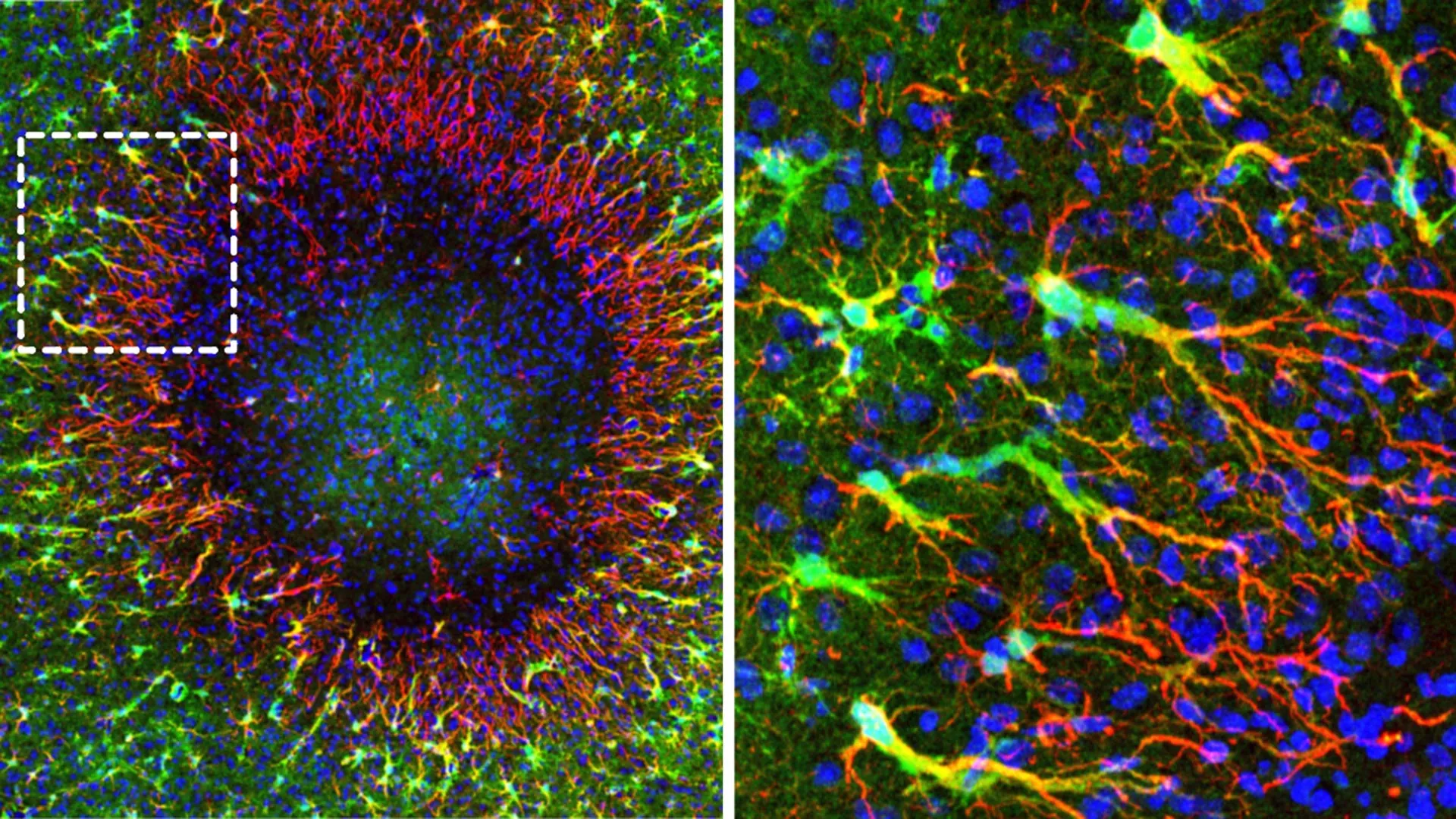
Researchers have found that the adult brain can repair itself more effectively than previously believed. In a recent study involving mice, a team discovered that a unique type of support cell, known as astrocytes, actively respond to damaged brain tissue by rebuilding lost cellular networks. This finding challenges long-standing assumptions about the brain's ability to heal.
The study highlights the role of astrocytes in brain repair. Rather than merely migrating to the site of injury, these specialized cells demonstrate a complex behavior. They create new nuclei and extend cellular projections that travel to affected areas, effectively repopulating damaged regions. This process shows that the brain is capable of more extensive self-repair than scientists had thought.
The implications of this research are significant. It opens new avenues for understanding how brain injuries heal and could influence future treatments for conditions like stroke, traumatic brain injury, and neurodegenerative diseases. The ability of astrocytes to regenerate cellular networks may offer insights into enhancing recovery or even developing therapies that harness this natural repair mechanism.
Looking ahead, researchers aim to explore the mechanisms behind astrocyte behavior further. Understanding how these cells operate could lead to breakthroughs in medical science, particularly for repairing brain damage. As the field of neuroscience evolves, this study marks a pivotal moment in rethinking the potential of the adult brain to heal itself.
Read Full Story at ScienceDaily →