University of Michigan study explains crocodile survival after asteroid impact
A study by University of Michigan paleontologists reveals that crocodiles survived the asteroid impact that killed the dinosaurs due to their preference for warm, tropical waters, which remained habi…
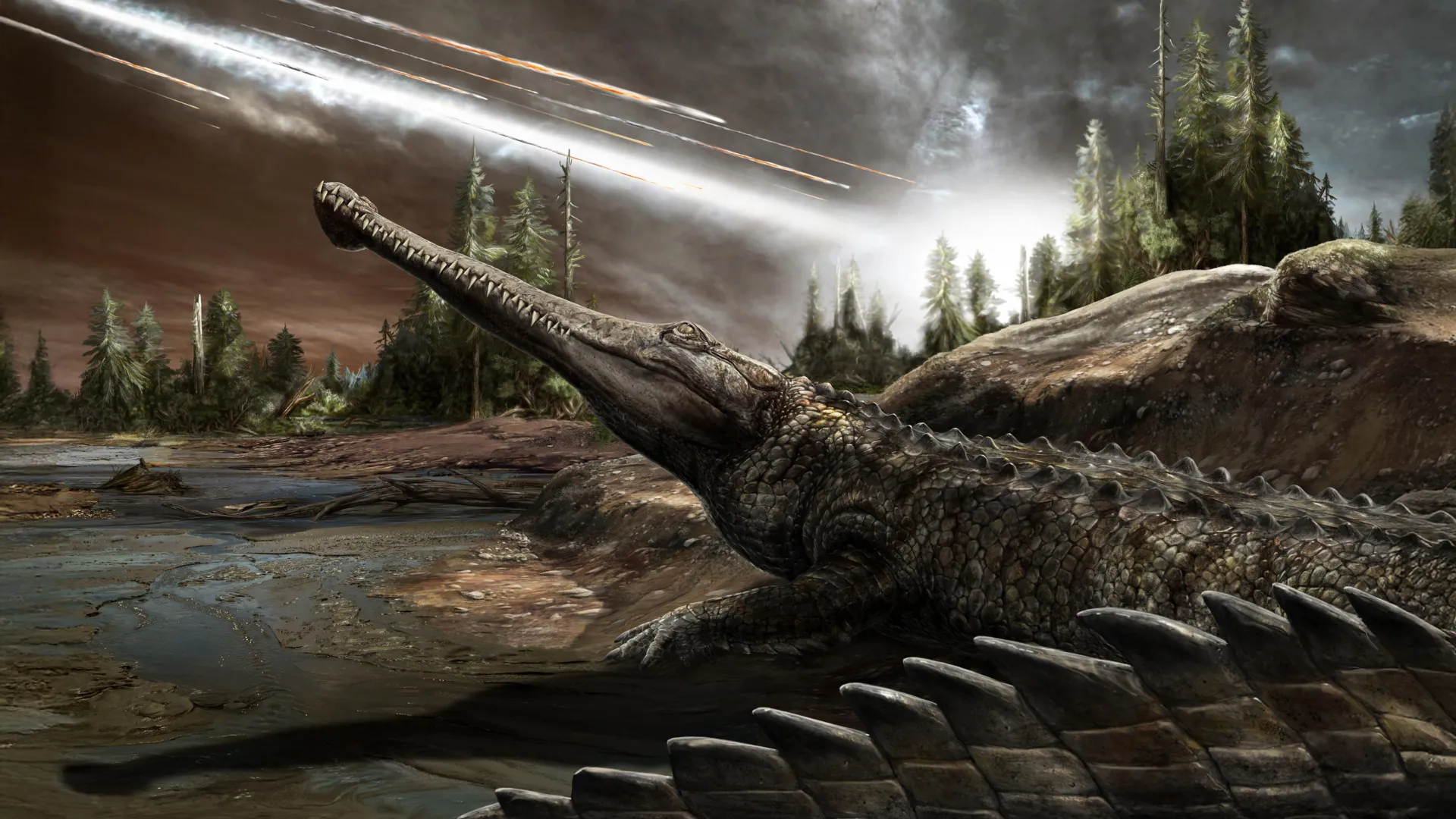
Scientists say they have solved a 66‑million‑year‑old mystery: why crocodiles survived the asteroid impact that wiped out the dinosaurs. A team led by paleontologists at the University of Michigan published a study on Tuesday showing that the reptiles’ love of warm, tropical water kept them in refuges that stayed habitable after the blast. The research combines new fossil data with climate models of the late Cretaceous and early Paleogene periods.
The finding matters because the asteroid strike is a textbook example of a sudden, global catastrophe, yet some animal groups made it through. Understanding how crocodiles endured can help scientists tease apart the factors that decide which species survive mass extinctions. Crocodiles are the only non‑bird reptiles still around today, and their persistence offers a rare window into the biology of the ancient world. The study also adds nuance to the view that the impact alone caused a uniform, planet‑wide die‑off.
The researchers examined more than 200 crocodile fossils from sites in North America, Africa and Asia, noting that most dated to the few million years before and after the impact. Those specimens cluster in regions that would have been near the equator at the time. Climate simulations suggest that while temperatures fell sharply in higher latitudes, the tropics stayed warm enough for crocodiles to maintain their metabolism. Their need for warm water meant they could not retreat to colder seas or inland lakes that froze, but they could linger in shallow, sheltered rivers and swamps that retained heat. The study estimates that only about 10 % of the world’s land area remained suitable for crocodiles, enough to keep a breeding population alive.
The work opens new avenues for research into how modern species might cope with rapid climate change. If warm‑water refuges can act as safe havens during sudden shifts, protecting such habitats could be a key conservation strategy. The team plans to test their model with additional fossil sites and to explore whether similar refuge patterns helped other groups, such as turtles and some mammals, survive past crises.
Read Full Story at ScienceDaily →