The hole in the ozone layer is healing, but extreme weather may be slowing progress down
The hole in the ozone layer is healing, but extreme weather may be slowing progress down Climate change, driven by humans, is making extreme weather more commonplace The hole in the Earth’s ozone l…
The hole in the ozone layer is healing, but extreme weather may be slowing progress down
Climate change, driven by humans, is making extreme weather more commonplace
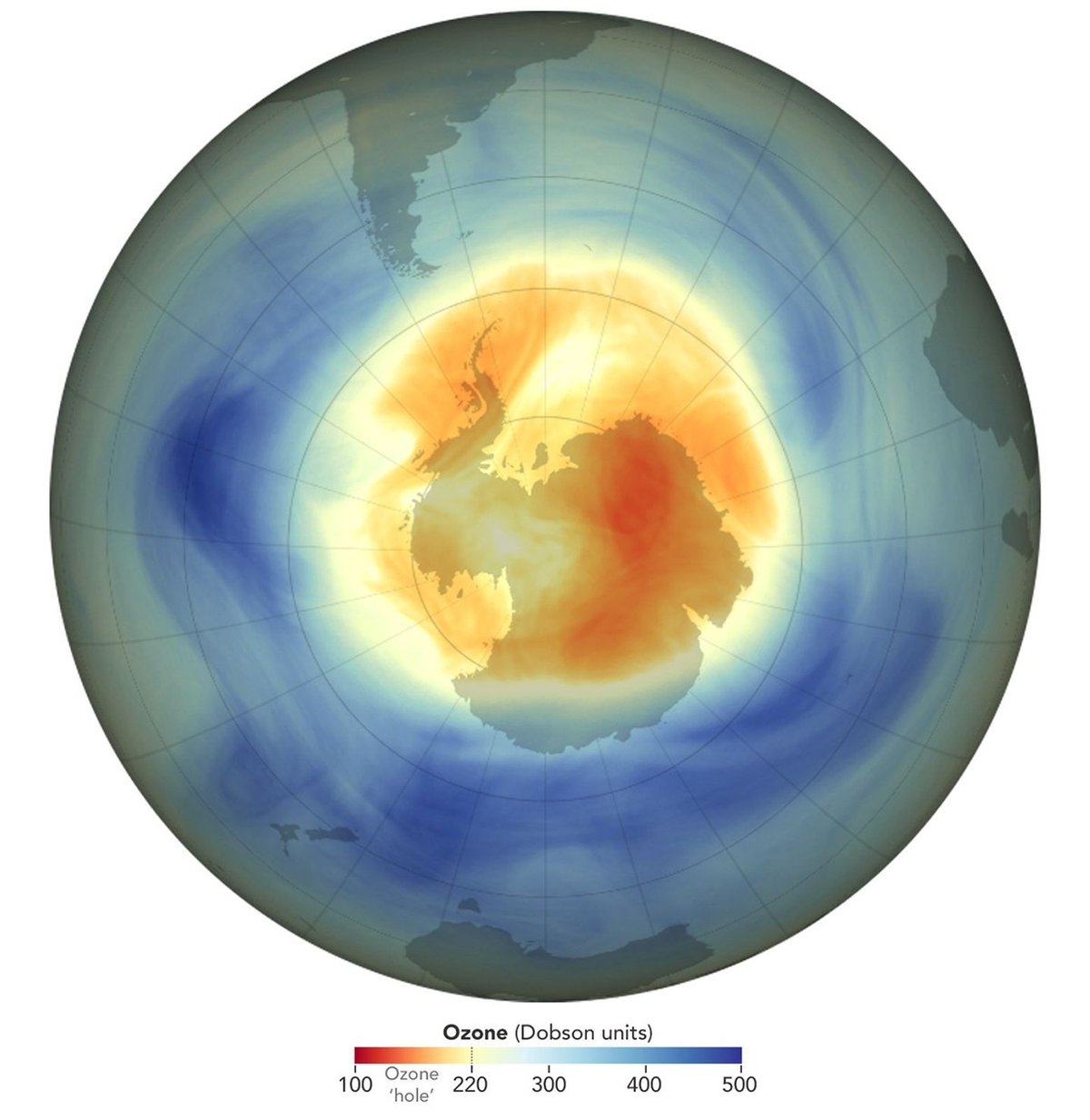
The hole in the Earth’s ozone layer is significantly smaller than it’s been in recent history, but it is still far from fully healed, according to the World Meteorological Organization’s (WMO’s) latest annual checkup.
The hole in the ozone layer , a protective region of the atmosphere that begins roughly nine miles above Earth’s surface, was discovered in the 1980s. Studies attributed its presence to human-made chemicals called chlorofluorocarbons (CFCs), which destroyed ozone molecules. The layer plays a vital role in absorbing the sun’s ultraviolet radiation, which can cause diseases such as skin cancer. Repairing it became a matter of international priority, with nations signing on to the Montreal Protocol on Substances That Deplete the Ozone Layer, an international treaty banning CFCs, in 1987. Since then, for scientists and activists, the recovery of the ozone layer has stood as a victory , showing that we can act to prevent human-caused damage to our planet.
In the latest edition of the WMO’s Ozone and UV bulletin, the organization finds that the hole is “significantly” smaller than its average size between 1990 and 2020. Still, University of California, Los Angeles, professor Suzanne Paulson cautions against overoptimism. The hole has been healing at a slower rate than scientists had predicted it might, she says.
If you're enjoying this article, consider supporting our award-winning journalism by subscribing . By purchasing a subscription you are helping to ensure the future of impactful stories about the discoveries and ideas shaping our world today.
“It does go up and down every year, so any one year doesn’t really tell you a whole lot,” she says, referring to seasonal fluctuations in the size of the ozone hole. “It certainly hasn’t gotten worse in recent years, but for the most part, we haven’t really seen major improvements.”
This is the second year in a row that the WMO has detected positive change in the ozone hole, but there are still some warning signs highlighted in the report. The amount of ozone in the atmosphere can fluctuate through the year, and October is typically the month in which there is the least ozone. In 2025 ozone hit a low in September, however.
Read Full Story at Scientific American →