New report calls for scientific analysis on Everglades restoration efforts
Restoration of Florida's Everglades is advancing rapidly, but a new report highlights the need for more scientific analysis to evaluate the ecological impacts of these multi-billion-dollar efforts. U…
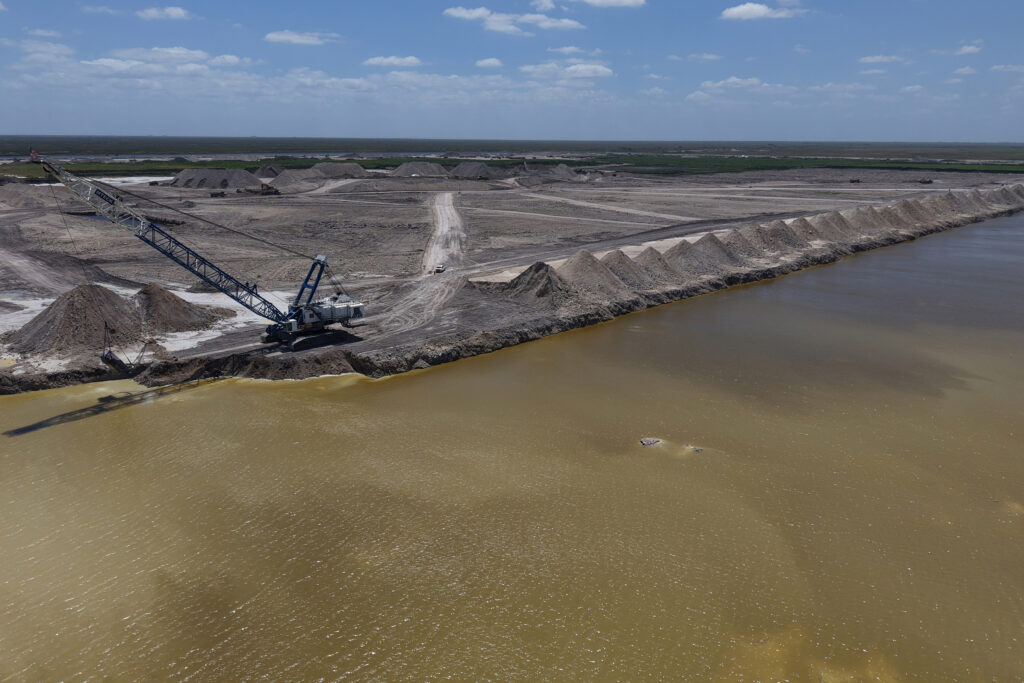
A historic restoration of Florida’s Everglades is proceeding at an unprecedented pace, according to a new report from the National Academies of Sciences, Engineering and Medicine. Published last month, the report highlights the multi-billion-dollar efforts to restore the fragile ecosystem, but emphasizes that more scientific analysis is needed to fully understand how the watershed is responding to these initiatives.
The Everglades, often referred to as the “River of Grass,” is crucial for maintaining regional biodiversity, providing habitat for numerous species, and acting as a natural water filtration system. Over the years, urban development, agriculture, and climate change have severely degraded this unique landscape. The restoration efforts, initiated in 2000 through the Comprehensive Everglades Restoration Plan (CERP), aim to reverse some of the damage by restoring natural water flow and improving water quality. The acceleration of these efforts is largely a response to increasing awareness of the ecological and economic importance of the Everglades, as well as persistent pressure from environmental advocacy groups.
The National Academies' report points out that, despite the rapid pace of restoration, there is still a significant gap in understanding the ecological impacts of the ongoing projects. Scientists are calling for more comprehensive monitoring and evaluation to gauge the effectiveness of restoration strategies. For instance, while certain areas may show signs of improvement, others may still be suffering from water quality issues and habitat loss. This lack of clarity can hinder future funding and management decisions.
Moving forward, stakeholders must prioritize scientific research alongside restoration efforts to ensure long-term success. The health of the Everglades not only affects local wildlife but also has broader implications for water supply and flood control in Florida. As climate change continues to pose challenges, the lessons learned from this restoration initiative could serve as a blueprint for similar projects worldwide. The urgency to understand and adapt will shape the future of this vital ecosystem and the communities that rely on it.
Read Full Story at Inside Climate News →