Study finds five cups of coffee daily weakens older women’s hips
Drinking over five cups of coffee daily may reduce hip bone density in older women, while tea shows a slight protective effect. Moderate coffee intake (up to three cups) doesn’t appear to harm bones,…
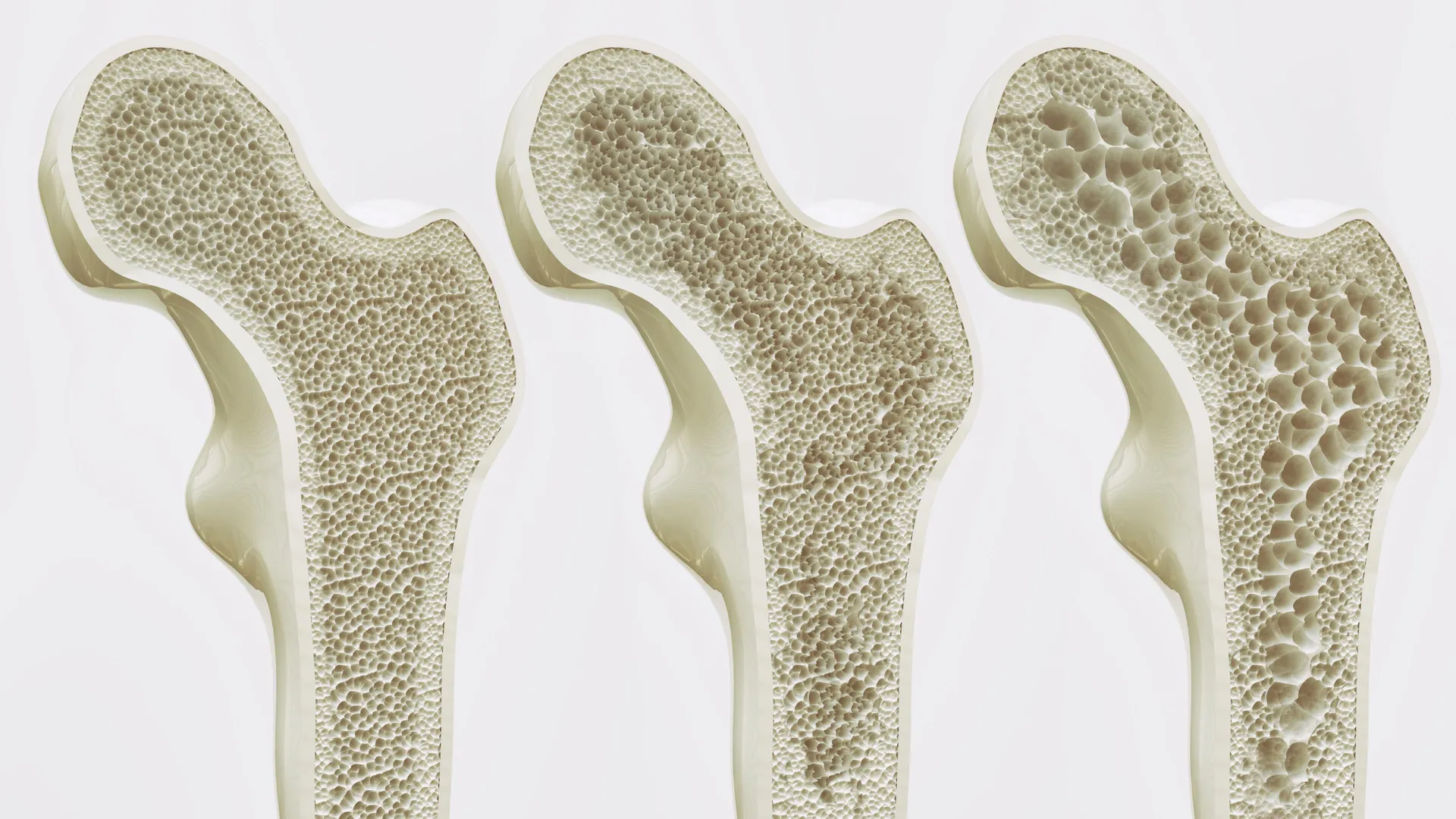
Researchers tracking nearly 10,000 older women for a decade found that drinking more than five cups of coffee a day may weaken hip bones. The study, published in the journal *Osteoporosis International*, showed that tea drinkers had slightly higher hip bone density, while heavy coffee consumption was linked to lower density. The findings suggest caffeine may play a role in bone health, but the effects aren’t extreme.
Bone loss in older adults is a growing concern as populations age, increasing the risk of fractures and osteoporosis. Coffee is one of the most widely consumed drinks in the world, with many people drinking multiple cups daily. Previous research has been mixed on caffeine’s role in bone health, with some studies suggesting it might interfere with calcium absorption. This study adds weight to the idea that too much coffee could have downsides, while tea—rich in compounds like flavonoids—might offer a small protective effect. The researchers adjusted for factors like diet, smoking, and physical activity, but they caution that the findings don’t prove cause and effect.
The study followed women aged 65 to 80, a group already at higher risk for osteoporosis. After 10 years, those drinking over five cups of coffee daily had lower hip bone density than those drinking less. Moderate coffee consumption (up to three cups) didn’t show the same negative link. Tea drinkers, meanwhile, had slightly better bone density, though the difference was small. Experts say this doesn’t mean coffee is dangerous in moderation, but heavy drinkers should be aware of the possible trade-offs.
Next steps include larger studies to confirm these findings and explore why coffee might affect bones differently than tea. Researchers also want to dig deeper into caffeine’s long-term impact and whether other factors, like milk additives in coffee, play a role. For now, the advice remains simple: balance is key. If someone drinks a lot of coffee, they might consider cutting back or balancing it with tea or other calcium-rich foods. The study adds another piece to the puzzle of how daily habits shape long-term health.
Read Full Story at ScienceDaily →