NASA's Roman Space Telescope aims to redefine cosmic understanding by 2025
NASA's Roman Space Telescope, launching in the mid-2020s, will enhance our understanding of dark energy, galaxy formation, and the potential for extraterrestrial life through its wide-field imaging c…
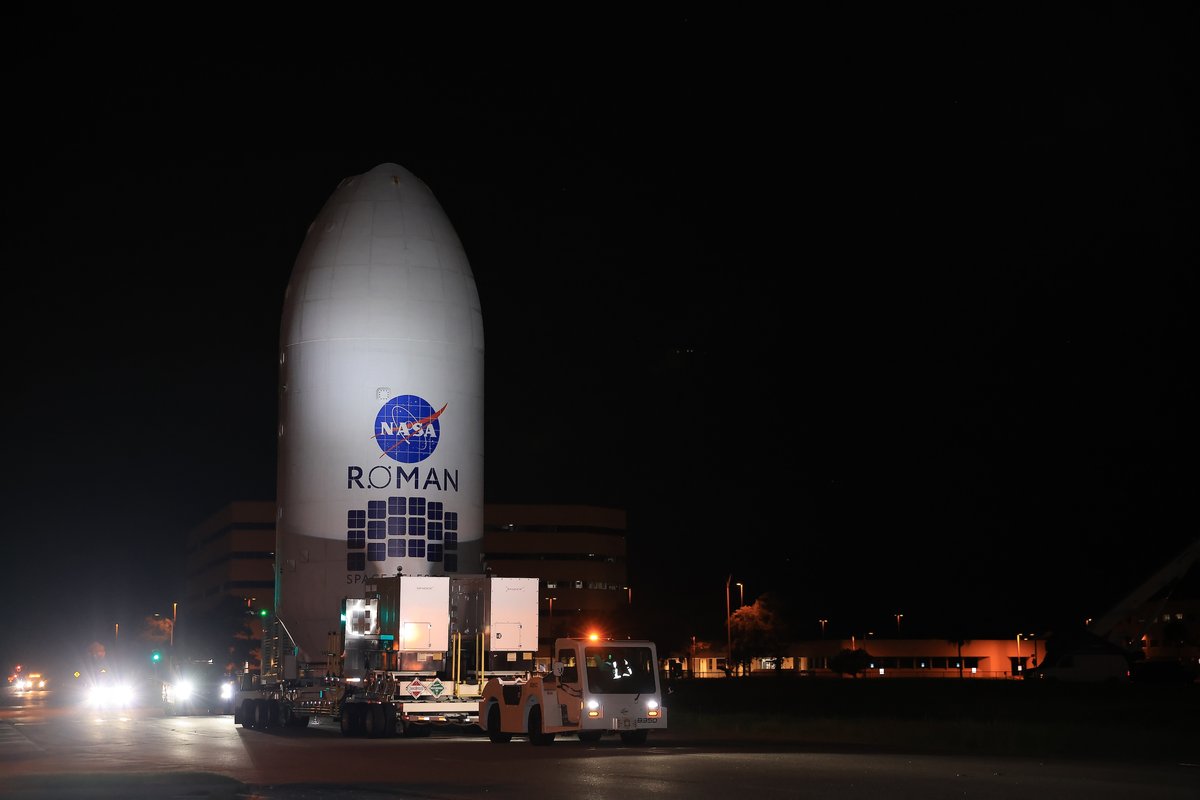
NASA’s Roman Space Telescope is set to revolutionize our understanding of the universe when it launches in the mid-2020s. With its advanced technology and wide-field imaging capabilities, the telescope aims to address some of the biggest questions in astrophysics, including the nature of dark energy, the formation of galaxies, and the potential for life on other planets.
The Roman Space Telescope is named after the groundbreaking astronomer Nancy Grace Roman, who was the agency’s first Chief of Astronomy. The mission comes at a crucial time for astronomy, as scientists seek to build on the discoveries made by the Hubble Space Telescope and the upcoming James Webb Space Telescope. Roman will survey large swathes of the sky, allowing researchers to gather data on millions of galaxies, stars, and exoplanets in a single observation. This capability could lead to insights that are currently beyond our reach.
Among the expected breakthroughs, scientists hope to map dark energy more precisely. Dark energy is believed to make up about 68% of the universe, yet its nature remains a mystery. Roman will also help identify thousands of exoplanets, some of which may be in the habitable zone where life could exist. Additionally, the telescope is expected to uncover rare astronomical events, such as supernovae, that can provide clues to the universe's expansion rate.
Looking ahead, the Roman Space Telescope’s findings could reshape our understanding of fundamental cosmic principles. It is anticipated that the mission will inspire a new generation of astronomers and scientists, igniting interest in space exploration and research. As the telescope prepares for its launch, the astronomical community is brimming with excitement about the potential discoveries that await. The insights gained from Roman's observations could lead to significant advances in our grasp of the universe and our place within it.
Read Full Story at Scientific American →