Oak trees keep absorbing CO2 decades after growth stops
Oak trees keep absorbing carbon dioxide long after visible growth stops, storing it in roots and branches rather than converting it to wood. This means forests may absorb more carbon than expected, im
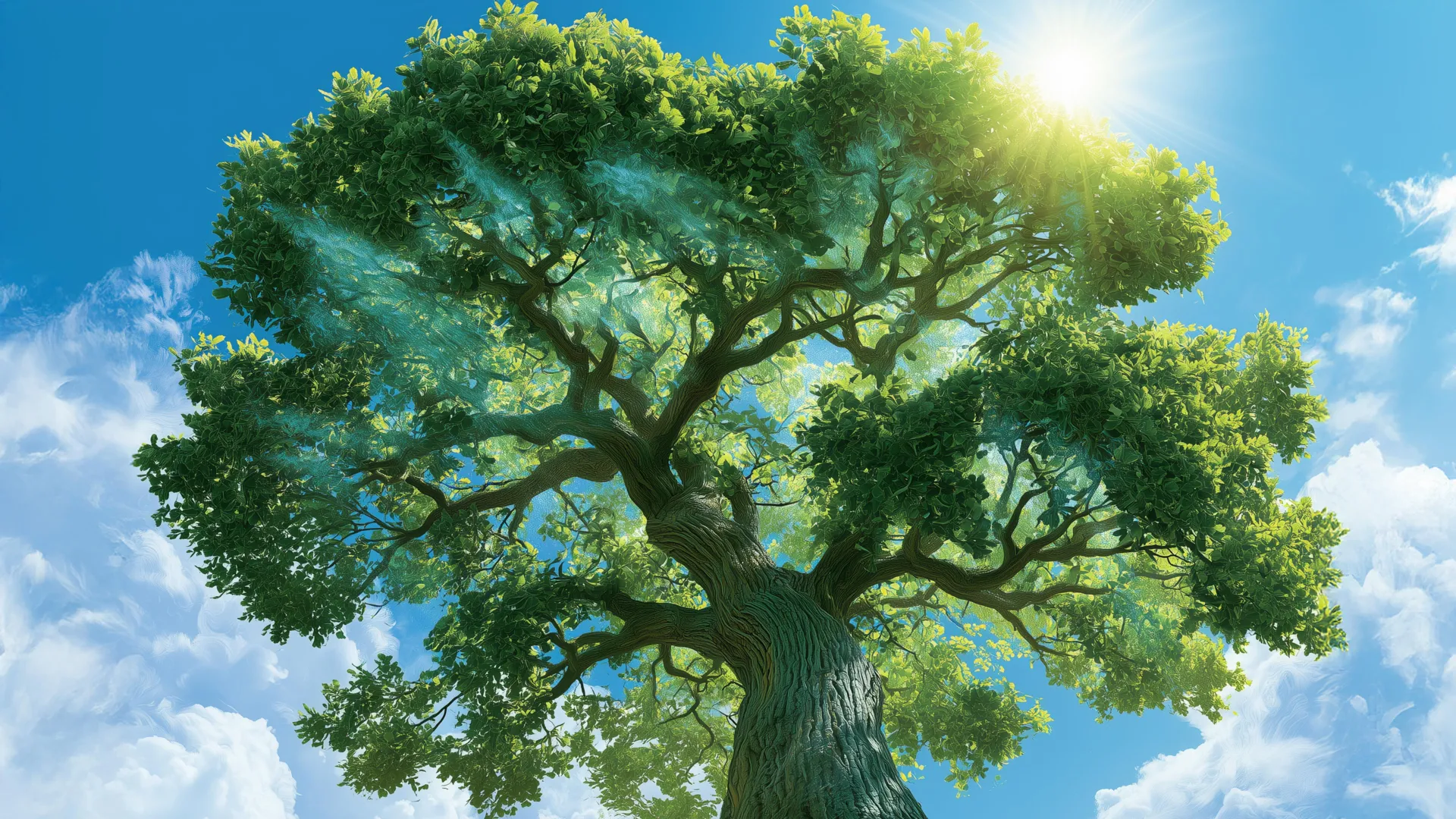
Researchers have discovered that oak trees keep absorbing carbon dioxide long after their growth slows down, challenging the assumption that photosynt
Read Full Story at ScienceDaily →Why This Matters
The discovery challenges long-held assumptions about forest carbon sinks, suggesting mature trees play a far more active role in climate mitigation than previously estimated. This could reshape global carbon accounting models and influence reforestation strategies aimed at offsetting industrial emissions.
Background Context
For decades, climate models assumed carbon absorption peaked when trees reached maturity, after which growth—and thus carbon storage—slowed or halted. Recent advances in isotopic tracing have overturned this view, revealing that trees continue sequestering carbon in non-woody structures long after visible expansion ceases.
What Happens Next
Land managers may prioritize older forests in conservation efforts, while policymakers could revisit carbon credit frameworks to account for this prolonged uptake. Researchers will likely probe whether other species exhibit similar patterns, potentially unlocking new avenues for natural climate solutions.
Bigger Picture
This finding aligns with emerging evidence that ecosystems often defy linear models of carbon cycling, underscoring the need for adaptive environmental policies. It also highlights how native species like oaks—often undervalued in commercial forestry—may hold outsized ecological value in an era of climate crisis.