Trump downplays Iran tensions, labels them 'small potatoes' for U.S.
President Trump has downplayed escalating military tensions with Iran, calling them “small potatoes,” while the U.S. is actively protecting oil tankers in the Strait of Hormuz due to threats from Ira…
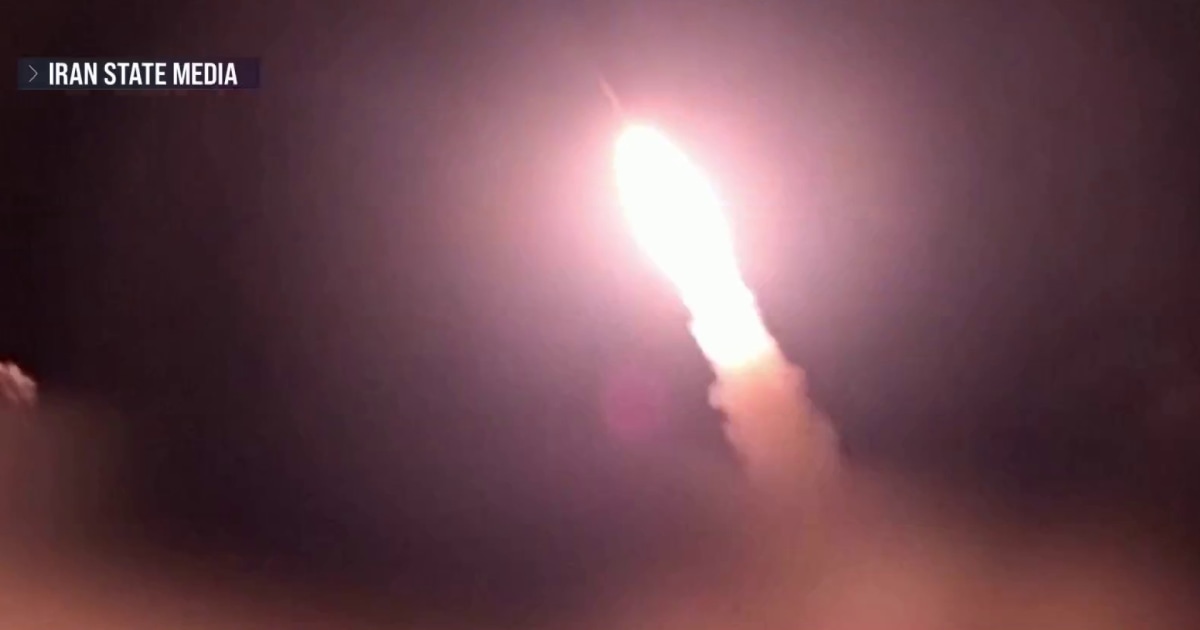
President Donald Trump has dismissed the escalating military tensions with Iran as “small potatoes,” signaling a casual approach to a conflict that threatens to destabilize the global energy market. Speaking to reporters, the president characterized the situation as minor while simultaneously confirming that the United States is now actively protecting commercial oil tankers from Iranian attacks in the strategically critical Strait of Hormuz. This juxtaposition of minimizing the threat while deploying protective military assets highlights the administration’s dual strategy of projecting strength through action while attempting to downplay the severity of the crisis for domestic political consumption. The comment comes at a time when diplomatic channels appear strained, and the risk of direct military confrontation between the world’s largest economy and a regional power remains high. By labeling the conflict as trivial, Trump aims to reassure American voters that the nation’s interests are secure and that the potential for a wider war is negligible, even as naval forces are positioned to intercept hostile maneuvers in one of the world’s most vital waterways.
The Strait of Hormuz serves as a chokepoint for approximately twenty percent of the world’s total oil supply, making it a focal point of geopolitical tension for decades. Iran has long threatened to close the strait in response to Western sanctions and military pressure, a move that would cause immediate and severe spikes in global fuel prices. Recent months have seen increased harassment of commercial shipping by Iranian naval forces and proxy groups, including the seizure of vessels and attacks on tankers linked to Gulf states and other nations aligned with Washington. The United States has responded by deploying additional warships and aircraft to the region, a move intended to deter further aggression and ensure the free flow of commerce. Trump’s characterization of these events as “small potatoes” contrasts sharply with the views of many military analysts and international allies, who warn that any miscalculation in the narrow waters could rapidly escalate into a broader regional conflict. The administration’s stance reflects a broader pattern of negotiating from a position of perceived weakness, using provocative language to mask underlying vulnerabilities while leveraging military presence as a backdrop for potential diplomatic overtures.
The immediate implication of the U.S. protection detail on oil tankers is a significant shift in the operational posture of the American military in the Persian Gulf. Navies from the United States and its allies are now tasked with identifying threats, intercepting hostile vessels, and potentially engaging Iranian forces if attacks occur. This raises the stakes for both sides, as any incident involving American personnel or vessels could trigger a mandatory response under international law and domestic political pressure. Market watchers are closely monitoring oil prices, which have remained volatile due to fears of supply disruptions. While Trump’s comments may be intended to calm markets, they also risk emboldening Iranian hardliners who may view the dismissal as a sign of American disengagement or lack of resolve. The international community, including European allies and key Asian consumers of Iranian oil, is watching closely to see whether this verbal de-escalation translates into actual diplomatic progress or merely serves as a prelude to further military posturing. The coming weeks will be critical in determining whether the situation stabilizes or spirals into a more dangerous confrontation.
What happens next depends largely on the actions of Iran’s leadership and the response of U.S. commanders on the ground. If Iran perceives the American presence as an existential threat to its sovereignty, it may escalate its tactics, leading to a cycle of retaliation that could draw in other regional actors. Conversely, if the protection detail succeeds in deterring attacks without incident, it may create space for renewed diplomatic talks. However, the gap between Trump’s casual rhetoric and the serious military reality on the water remains a source of confusion for allies and adversaries alike. The world will be watching to see if “small potatoes” is merely a political slogan or a genuine assessment of the risk. For ordinary citizens, the outcome will determine the price at the pump and the stability of the global economy in the months ahead. The tension between political messaging and strategic reality defines the current moment, leaving the international community in a state of anxious uncertainty as the standoff continues.
Read Full Story at NBC News →