Libya rivals agree UN-backed elections within two years
Libya’s rival governments agreed to hold parliamentary and presidential elections within two years, ending a decade-long split after the UN brokered a power-sharing deal. The fragile agreement must b…
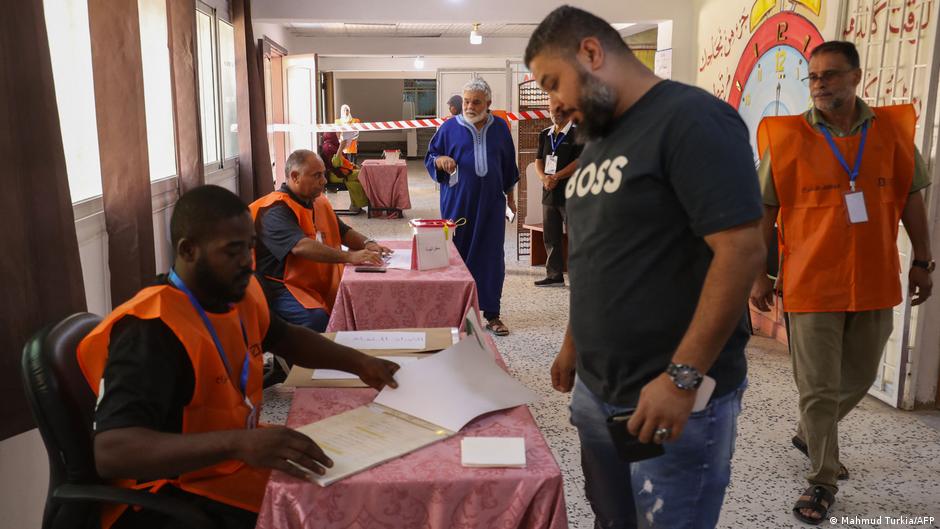
Libya’s warring governments have agreed to hold parliamentary and presidential elections within two years, ending a decade-long power struggle that has split the country in two.
The deal, brokered by the United Nations, comes after years of failed attempts to unite Libya since the fall of dictator Moammar Gadhafi in 2011. The country remains divided between rival administrations in the east and west, each backed by militias and foreign powers. Under the new agreement, the Government of National Unity in Tripoli will share power with the House of Representatives in Tobruk. The UN says key disputes over electoral laws and the structure of the electoral commission have been resolved, paving the way for elections. “The agreement marks an important step in advancing Libya towards national elections and ending the transitional period,” the UN Support Mission in Libya (UNSMIL) said in a statement.
The breakthrough reflects a shift in attitudes among Libyan leaders and their foreign backers. After years of civil war, many Libyans are desperate for stability. “Things could not continue the way they were,” said Andreas Dittmann, a conflict expert at the University of Giessen. Previously, foreign powers often backed just one side, but now there is growing recognition that Libya can only recover if both governments are included in a unified administration. The UN is not just setting an election date—it is also working to strengthen the electoral commission and draft electoral laws to ensure a fair and secure process. It has also launched “Structured Dialogues” to build consensus on leadership, security, the economy and national reconciliation.
Yet the deal remains fragile. Michael Bauer, head of the Tunisia office of Germany’s Konrad Adenauer Foundation, calls the agreement an important but limited step. Its success will hinge on whether the decisions are binding and enforced. Libya has seen many political agreements collapse in recent years, leaving little cause for optimism. If the elections go ahead as planned, they could finally end the country’s damaging division. If not, Libya risks sliding back into conflict, prolonging the suffering of its people and deepening regional instability. The next two years will test whether this fragile unity can hold.
Read Full Story at DW World →