US strikes Iran after drone attack on cargo ship
The U.S. launched airstrikes on Iranian targets after a drone strike on a cargo ship, violating a June ceasefire; this threatens regional stability and global oil trade. Iran condemned the strikes, bl
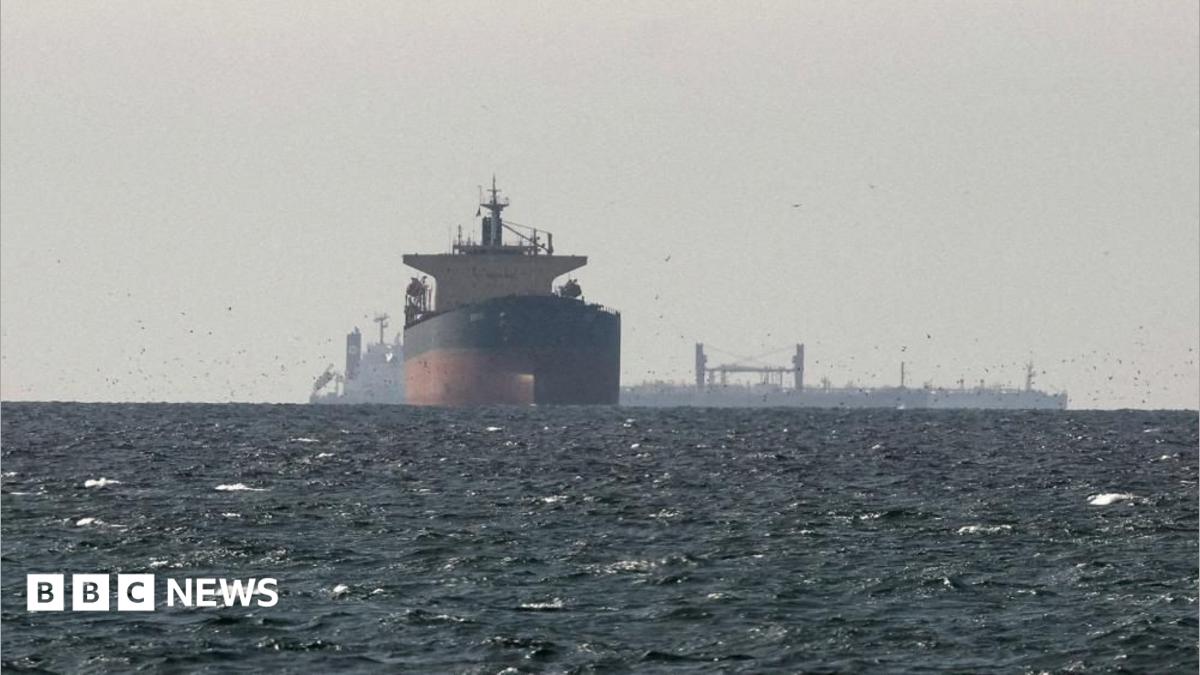
The U.S. military launched airstrikes on Iranian targets on Friday, responding to what it called a “foolish violation” of a truce after an attack on a
Read Full Story at BBC World News →Why This Matters
The latest escalation between the U.S. and Iran underscores the fragility of regional security frameworks that have kept oil flows and maritime trade largely uninterrupted since the Israel-Hamas war began. Even a localized strike on a commercial vessel risks unraveling fragile ceasefire agreements, potentially drawing in other state and non-state actors across the Persian Gulf.
Background Context
While the June ceasefire had reduced direct military clashes between Iran and Israel, proxy conflicts and covert attacks on shipping lanes persisted, exploiting gaps in enforcement. Iran’s Revolutionary Guard has historically targeted vessels linked to Israel or Western interests, often with drones or ballistic missiles, as part of a deterrence strategy aimed at limiting Israeli operations in Syria.
What Happens Next
The risk of further escalation now hinges on whether Iran responds asymmetrically through proxies like Yemen’s Houthis or Lebanese Hezbollah, or if it opts for diplomatic pressure via international forums. Oil markets will likely remain volatile, with traders factoring in potential disruptions to Strait of Hormuz traffic if retaliatory strikes occur.
Bigger Picture
This incident fits a pattern of “gray zone” warfare where state actors avoid direct conflict but test red lines through proxies and targeted strikes. The repeated targeting of commercial shipping suggests a growing willingness to weaponize global trade routes, a tactic that could reshape maritime insurance costs and naval patrol strategies beyond the Middle East.