US strikes Iran-backed groups after tanker seizure
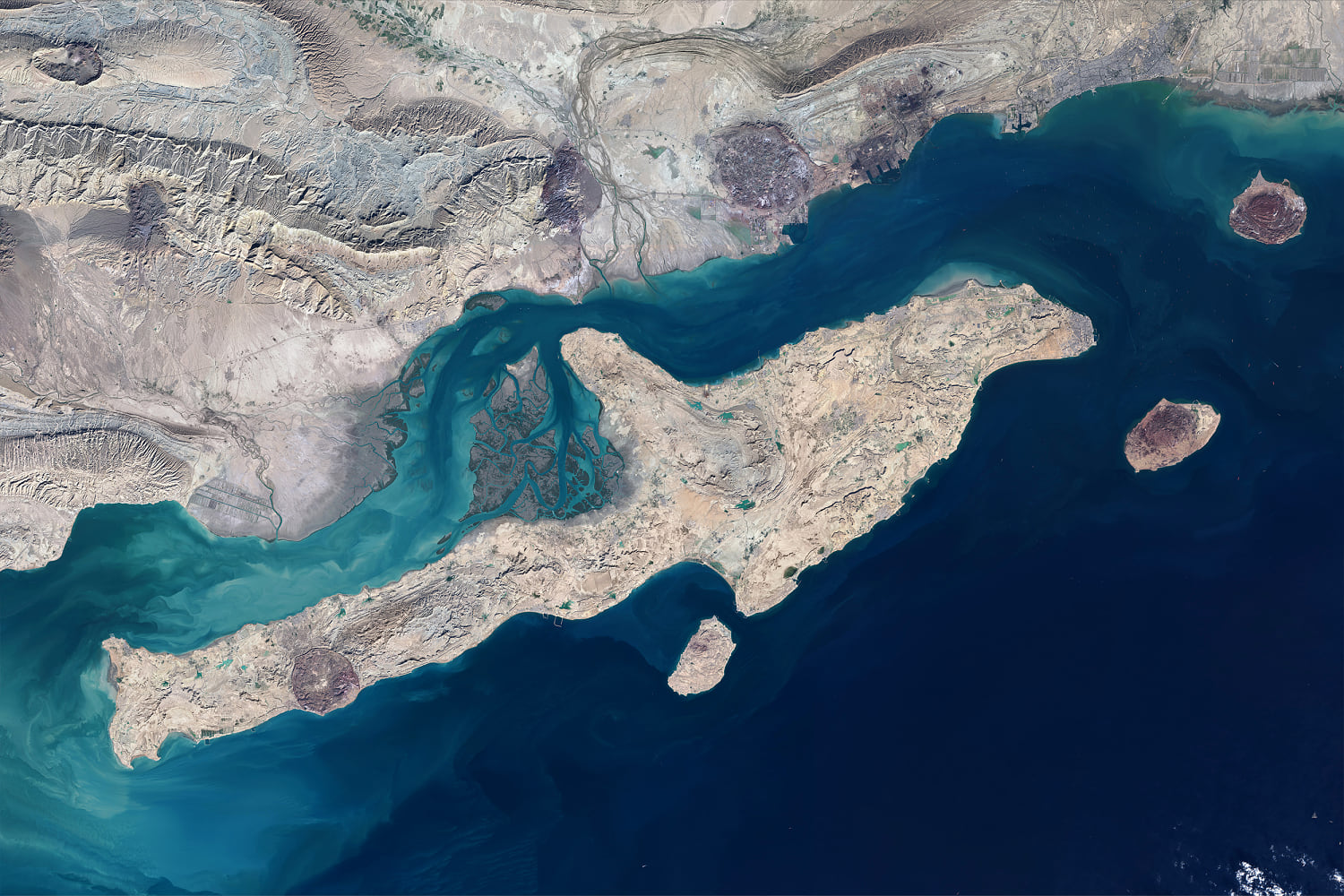
The U.S. launched airstrikes on Iran-backed forces in Iraq and Syria after Iran seized a tanker in the Strait of Hormuz, marking the first direct retaliation since a fragile ceasefire. Any escalation

The U.S. military launched airstrikes against Iran-backed forces in Iraq and Syria on Friday, escalating tensions after Tehran’s Islamic Revolutionary
Read Full Story at The Hill →Why This Matters
The latest exchange of strikes between the U.S. and Iran-backed forces signals a dangerous unraveling of the region’s fragile deterrence calculus, where each side probes the other’s willingness to escalate rather than retreat. This tit-for-tat pattern risks normalizing low-level conflict as a substitute for diplomacy, undermining any hope of reviving stalled negotiations over Iran’s nuclear program or broader Gulf security frameworks.
Background Context
Since the collapse of the 2015 nuclear deal and the Trump administration’s maximum pressure campaign, Iran has relied on proxy forces across Iraq, Syria, and Yemen to exert influence without direct confrontation, while the U.S. has balanced retaliatory strikes with efforts to avoid full-scale war. The Strait of Hormuz remains a flashpoint due to its critical role in global oil transit, with Iran’s Revolutionary Guard frequently seizing vessels to pressure regional rivals and demonstrate asymmetric capabilities.
What Happens Next
The next 72 hours will reveal whether either side is willing to de-escalate or if the cycle of strikes enters a phase of sustained retaliation, potentially drawing in additional regional actors like Israel or Saudi Arabia. Analysts will closely monitor whether Iran’s proxies in Iraq and Syria ramp up attacks on U.S. assets or if Washington opts for a more measured response to avoid provoking a broader conflict.
Bigger Picture
This escalation fits a broader pattern of proxy warfare replacing direct state-to-state conflict in the Middle East, where Iran and the U.S. increasingly test each other’s red lines without risking all-out war. The incident underscores how the erosion of diplomatic channels and the collapse of regional security architectures have made low-intensity clashes the new normal, with long-term stability hanging by a thread.