US sanctions Rwanda’s Gasabo Gold Refinery and two executives
The U.S. sanctioned Rwanda’s Gasabo Gold Refinery and two executives for smuggling 60+ kg of gold and coltan from Congo, allegedly tied to the M23 rebels. The move aims to disrupt conflict mineral tra
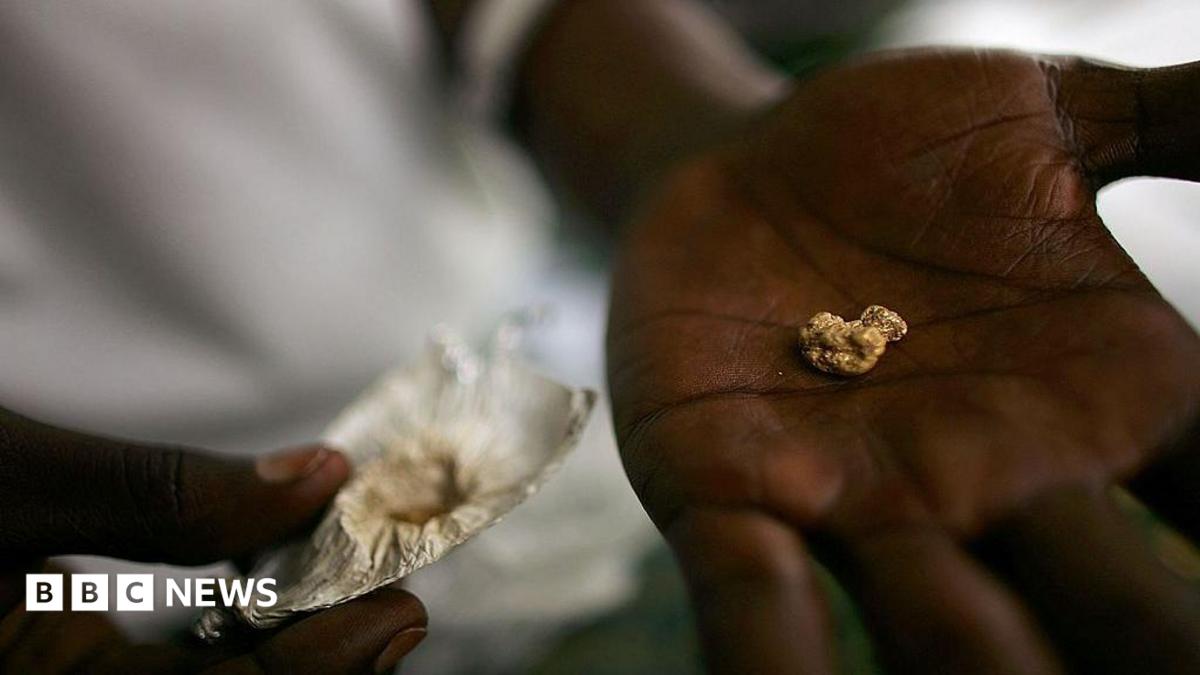
The U.S. has slapped sanctions on a major gold refinery in Rwanda and two of its top executives, accusing them of smuggling gold and coltan from rebel
Read Full Story at BBC World News →Why This Matters
This sanctions move signals the Biden administration’s escalating pressure on Rwanda to sever ties with armed groups in eastern DRC, particularly the M23 rebels, whose gold and coltan trade funds their operations. The crackdown reflects a broader shift toward targeting financial networks that sustain conflict minerals, not just the rebels themselves. For global supply chains, it underscores the fragility of regional trade routes and the persistent challenge of verifying mineral origins.
Background Context
The Great Lakes region has long served as a smuggling corridor for Congolese minerals, with Rwanda historically accused of acting as a transit hub for gold, coltan, and other conflict minerals. Despite Rwanda’s denials, reports from the UN Group of Experts and NGOs have repeatedly linked Rwandan military and business figures to M23 and other armed factions. The 60+ kg of minerals cited in the sanctions—enough to fuel months of rebel operations—highlights the scale of illicit trade.
What Happens Next
Rwanda is likely to respond with diplomatic protests, possibly leveraging ties with Western allies to mitigate the sanctions’ impact. Regional gold markets in Rwanda and Uganda may experience short-term volatility as traders adjust to the new restrictions. Meanwhile, regional security forces could intensify patrols along Congo’s eastern borders, but the effectiveness will depend on coordination between DRC, Rwanda, and international partners.
Bigger Picture
This action aligns with a global crackdown on conflict minerals, from EU due diligence laws to U.S. corporate accountability measures. It also reflects growing frustration with Rwanda’s role in DRC’s instability, despite Kigali’s claims of neutrality. As demand for critical minerals surges, the incident underscores the tension between economic growth and ethical sourcing in Africa’s resource-rich regions.