White House reports 40 countries aided China in evading U.S. tariffs
The White House reports that over 40 countries have helped China bypass U.S. tariffs, allowing it to evade tens of billions in costs. This practice complicates U.S.-China trade relations and highligh…
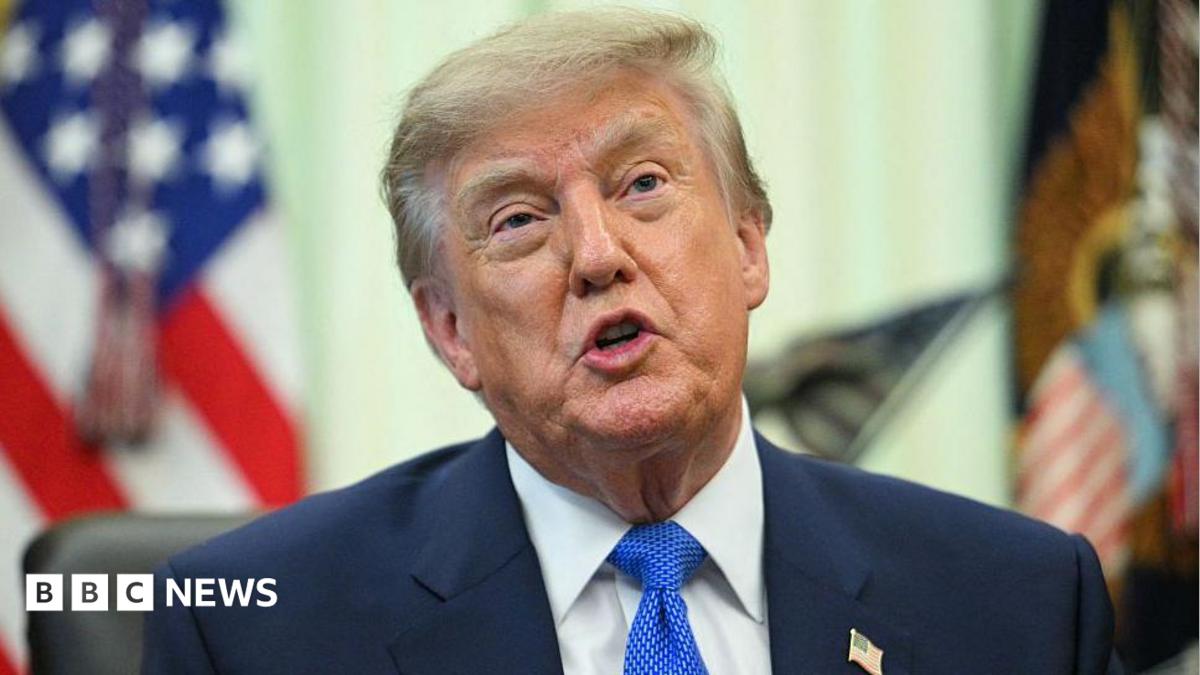
The White House reported on Thursday that over 40 countries, including Canada, India, Mexico, Japan, and South Korea, have assisted China in circumventing U.S. tariffs by rerouting exports through nations with lower import duties. This practice has allowed China to evade tens of billions of dollars in tariffs, according to the administration.
The timing of the report coincides with escalating trade tensions between the U.S. and China, just weeks before President Donald Trump is set to meet with Chinese leader Xi Jinping in Washington. The ongoing sanctions and tariffs have created a charged atmosphere, making this revelation particularly significant. The White House claims that China has exploited these transshipping practices to gain an unfair advantage, costing American jobs and billions in revenue.
The White House estimates that between $30 billion and $300 billion worth of goods have been moved through these third countries to evade tariffs. This process, known as transshipping, involves transferring cargo through one or more countries before reaching its final destination. The White House described China's actions as "fraud cloaked in paperwork," stating that the country has reconfigured goods and misrepresented their origin to obtain lower tariffs. In response, a spokesperson for the Chinese embassy in Washington condemned the U.S. tariff measures, asserting that "trade wars have no winners."
As tensions continue to rise, this report is likely to complicate discussions between Trump and Xi. The U.S. has implemented artificial intelligence tools to detect transshipment efforts, indicating a more aggressive stance on enforcement. While some tariffs have been paused following earlier negotiations, both nations have persisted in imposing sanctions. The ongoing back-and-forth raises questions about the future of U.S.-China trade relations and the effectiveness of tariffs as a tool for economic policy.
Read Full Story at BBC World News →