What medieval people made of fossils before vertebrate paleontology
Mammals first appeared on Earth over 200 million years ago, scuttling around alongside the dinosaurs as little mouse-sized creatures. But after the asteroid hit 66 million years ago , it was their ti…
Mammals first appeared on Earth over 200 million years ago, scuttling around alongside the dinosaurs as little mouse-sized creatures. But after the asteroid hit 66 million years ago , it was their time to shine — and the Age of Mammals began.
But the path to understanding our own branch of the animal kingdom hasn't been straightforward. In this excerpt from "The Story of the Mammals in 25 Discoveries" (Columbia University Press, 2026), author Donald R. Prothero looks at a time when philosophers and early naturalists believed giants roamed the Earth and explores the idea that extinction was heresy.
Many cultures around the world have a mythology that includes legends about gigantic races of humans that lived on Earth in the dark mysterious past. They may have fought against the gods, or they may have been destroyed by floods. These stories were reinforced by the discovery of gigantic bones, much larger than those of any living human, all over the Mediterranean and Europe.
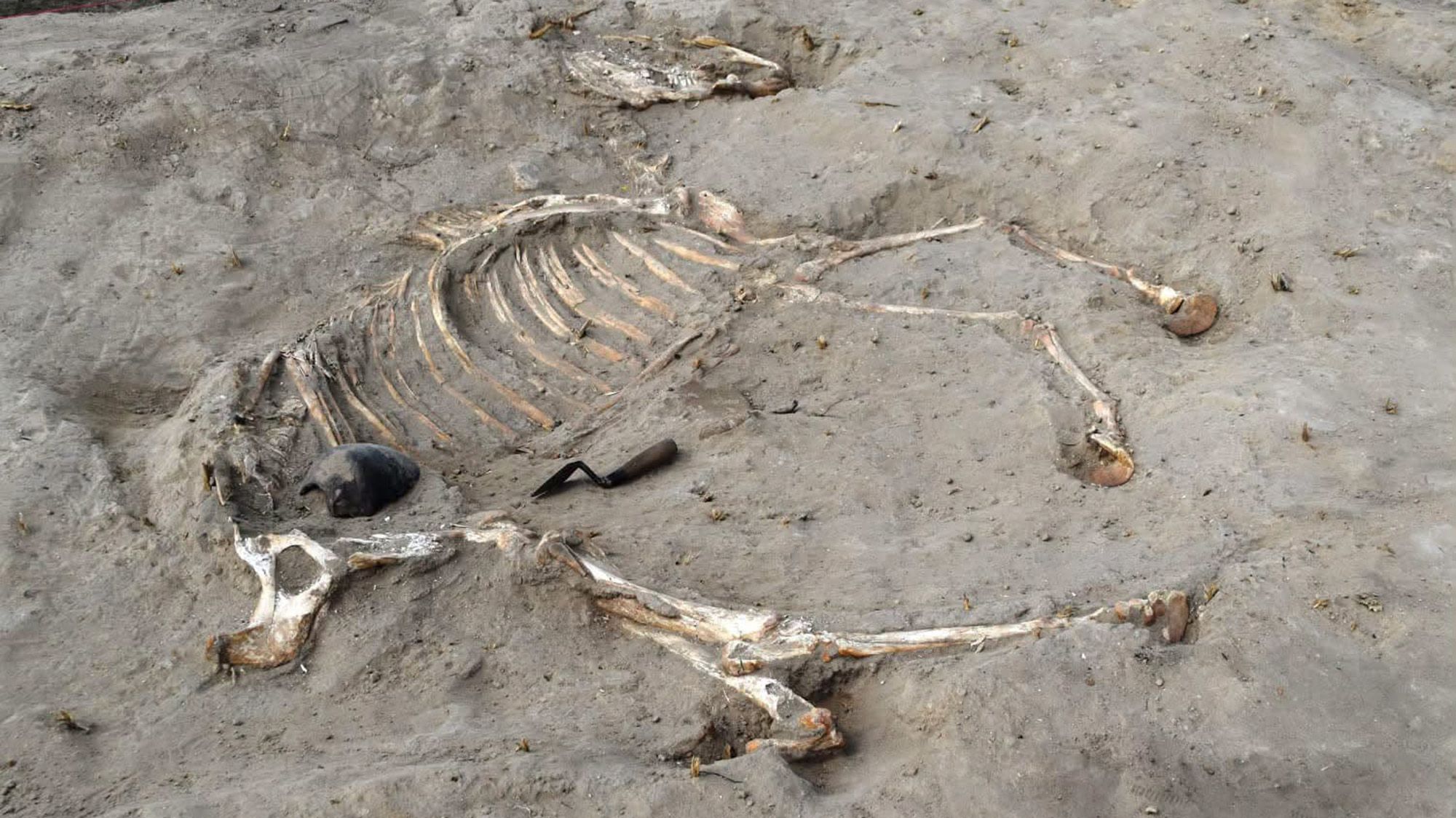
The Greek philosopher Empedocles (492-432 BCE) reported gigantic bones from Sicily, supposedly remnants of a race of giants. The Roman historian Pliny the Elder (23-79 CE) mentioned fossil ivory in the ground, and according to the Roman historian Suetonius (69- 122 CE), Emperor Augustus owned a collection of large bones that had been found on the island of Capri, near Pompeii. The skulls of elephants, with their huge central opening in front (for the trunk), were thought to be the skulls of the one-eyed cyclops.
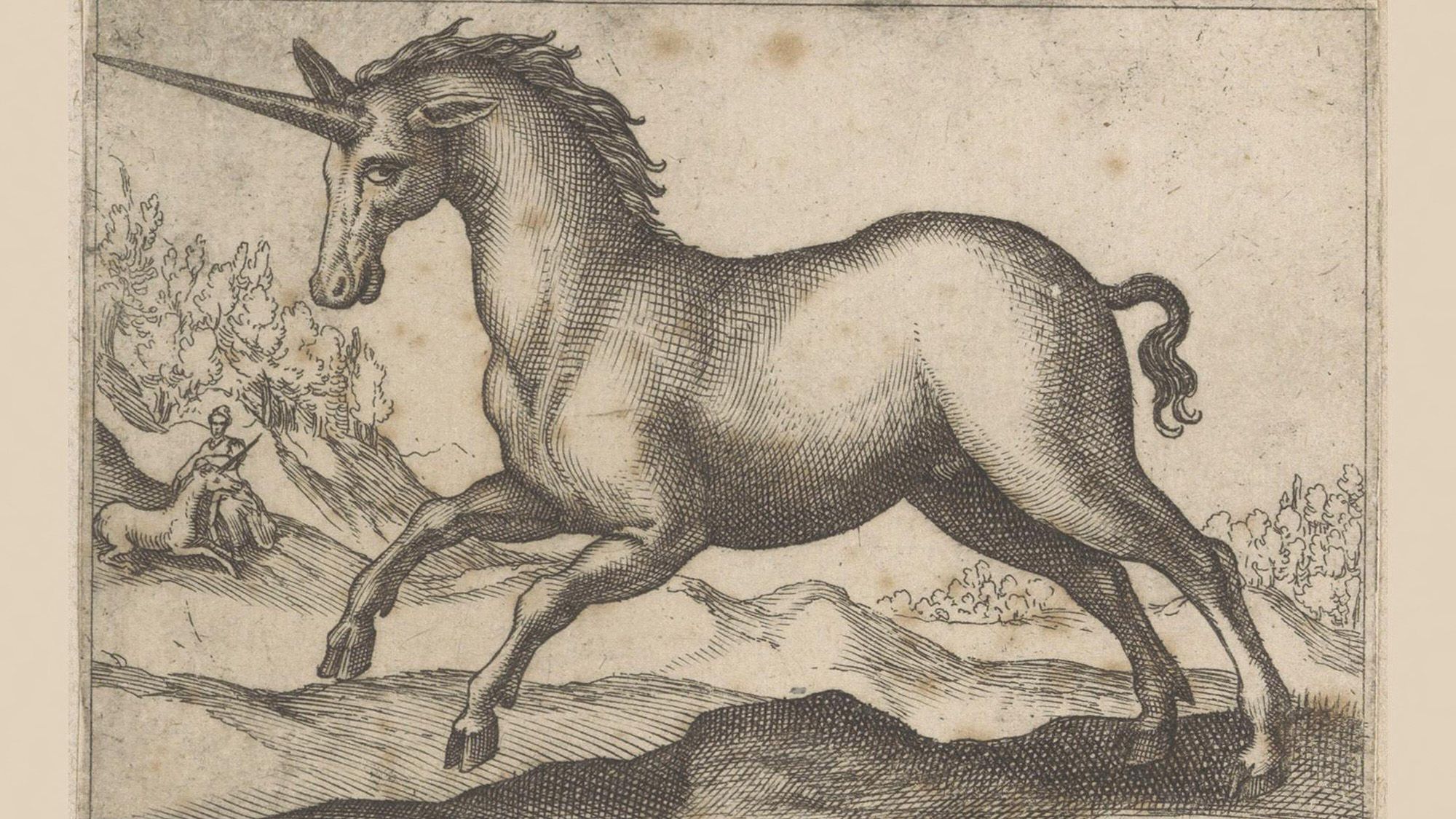
In the Middle Ages, these huge bones were again attributed to gigantic humans or other monsters (Genesis 6:4) that were drowned in Noah's flood. Giant tusks from Siberia were thought to be the horns of the mythical unicorn or the tusks of dragons. In some places gigantic teeth or vertebrae of mammoths were revered as relicts of saints. Nearly every possibility was suggested except that they were the bones of extinct elephants.
In the early seventeenth century, some giant bones dug up in a sand pit near Langon in southeastern France were exhibited around France as the remains of the giant Teutons, Germanic tribes that once roamed Gaul and were defeated by the Romans in 101 BCE.
But in 1613 the famous anatomist Riolan attacked the prevailing interpretation, suggesting that they were the bones of an elephant. This generated a raging controversy between physicians and anatomists and the barber-surgeons who called them gigantic human bones. Others thought they were hoaxes or generated by mysterious "plastic forces" (vis plastica in Latin) that percolated through Earth. Still others attacked the anatomists for questioning the biblical account of giants on Earth. The controversies died down in 1618 without being resolved, and for the next two centuries most people continued to interpret new finds as gigantic humans.
The giant bones that kept turning up in the New World were also a source of much mystery and consternation. The Native American tribes usually attributed them to giant monsters fought by their ancestors and incorporated them into their folklore. When these bones were first seen by European settlers, they were thought to be the bones of gigantic humans that roamed the earth in biblical times. Others thought that the giant tasks so revered by the Native Americans were the works of Satan, placed there to tempt the believer.
Read Full Story at Live Science →