Trump imposes 50% tariffs on Canadian goods
Trump imposed 50% tariffs on Canadian goods to pressure trade rule changes, risking significant price hikes for US consumers on cars and dairy. This escalation threatens North American supply chains …
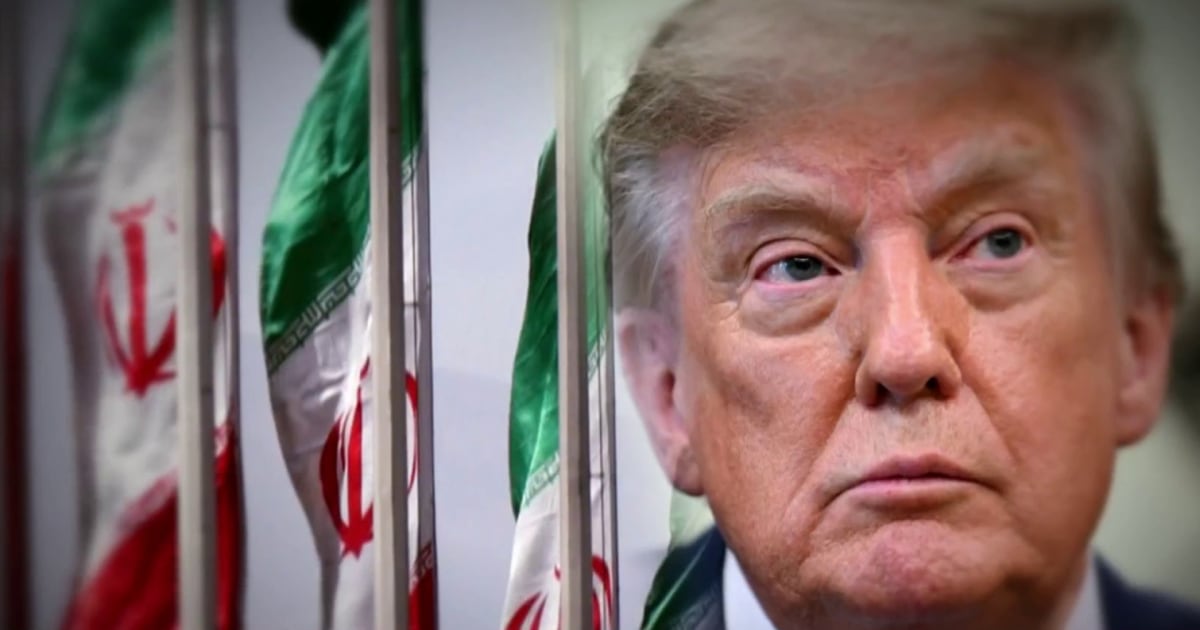
Trump announced on Tuesday that the United States will impose a 50 percent tariff on a broad range of Canadian goods, including cars, dairy, and lumber. The move follows a long‑standing dispute over the United States‑Mexico‑Canada Agreement (USMCA) and is aimed at pressuring Canada to change its trade rules. The tariffs will take effect in phases, starting with the first half of the year, and will be applied to products that the U.S. government deems to be unfairly subsidised or that do not meet the agreement’s origin standards.
The trade war has been brewing for years. After the U.S. and Canada signed the USMCA in 2018, the two countries clashed over auto parts, dairy quotas and steel and aluminium tariffs. Canada has defended its policies as necessary to protect domestic industries, while the U.S. has accused Canada of violating the agreement’s “rules of origin” and of subsidising its car makers. The Trump administration has used tariffs as a bargaining tool, and this latest escalation is the most aggressive move in the dispute in almost a decade.
The impact on consumers could be significant. A 50 percent tariff on Canadian cars could raise prices for U.S. buyers by 15 percent or more, depending on the model and the dealer’s pricing strategy. Dairy products that are shipped across the border may cost consumers an extra 25 cents per gallon. Carmakers that rely on Canadian suppliers will face higher costs and may shift production back to the U.S. or to other countries. The tariffs also threaten to destabilise the supply chain that underpins the North American auto industry, which is already dealing with labour shortages and supply‑chain disruptions from the pandemic.
The next step is a diplomatic showdown. Canada has called the tariffs “unilateral and unjust” and has threatened to retaliate with its own duties on U.S. goods. Both sides have said they will seek a resolution through the World Trade Organization or by negotiating a new bilateral agreement. The U.S. trade team will likely use the tariffs to force Canada to change its policies, but the cost to both economies may outweigh the political gains. The trade war could reshape the North American market, and the outcome will be closely watched by businesses and consumers alike.
Read Full Story at Business Insider Mkt →