Why are there so many fast charging standards, and what's the difference between them?
A guide to the confusing world of USB-C fast charging. "Fast charging" has become a catch-all term that can mean many different things. There's USB PD, PPS and even SuperVOOC , which sounds like a l…
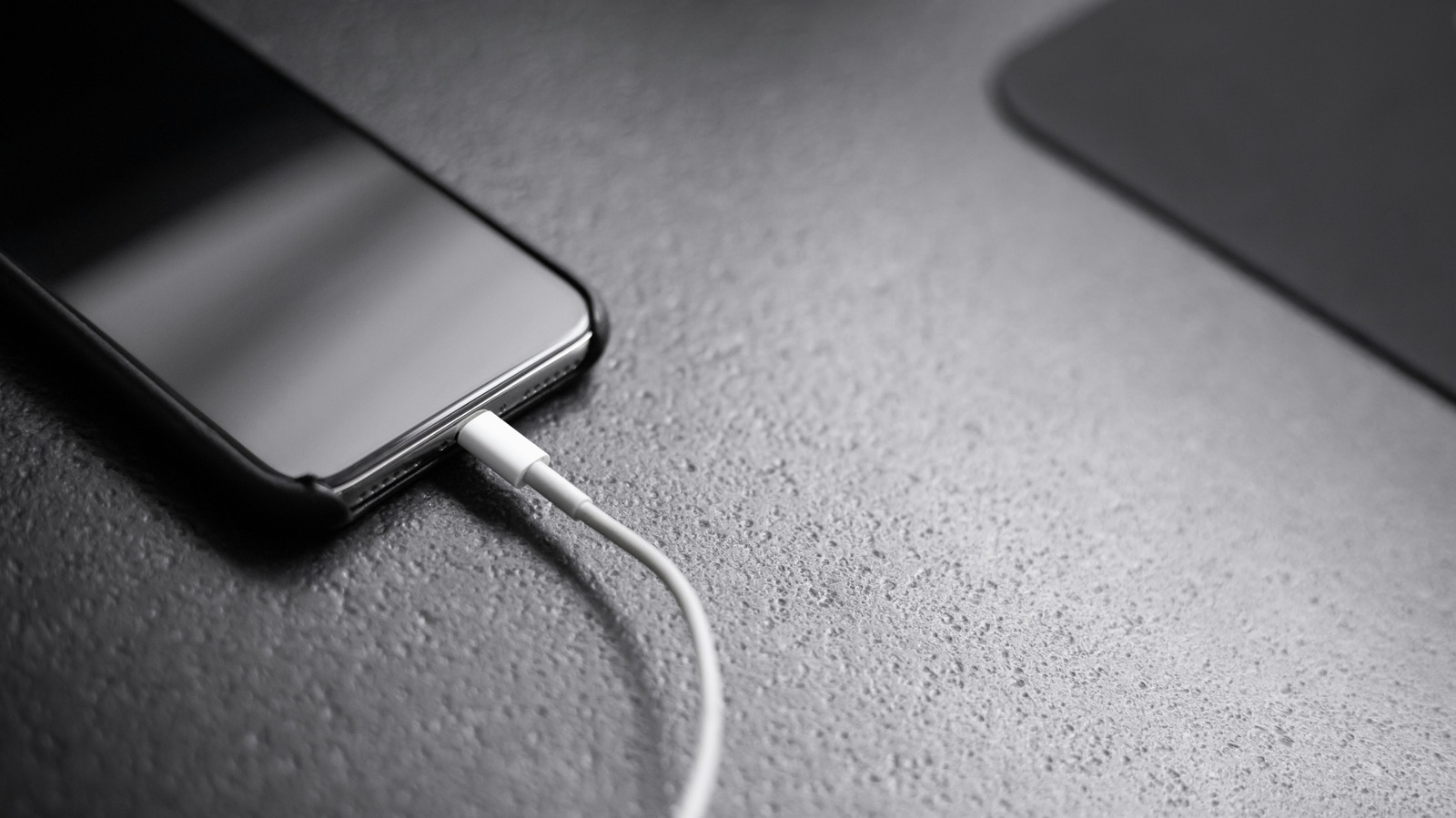
"Fast charging" has become a catch-all term that can mean many different things. There's USB PD, PPS and even SuperVOOC , which sounds like a limit break in a Final Fantasy game . All the jargon for different standards can be confusing. Fortunately, there's less to worry about than that might suggest.
Years ago, USB charging was a slow trickle of power. But as mobile devices took over and demand for charging systems adapted accordingly, different companies developed their own approaches. That's how we ended up with Qualcomm's Quick Charge , Oppo's SuperVOOC and Xiaomi's HyperCharge — all proprietary systems advertising some form of fast charging.
To be clear, USB-C itself doesn't tell you much: A device with that port doesn't necessarily support fast charging. Many USB-C devices max out at slower speeds, and others use non-PD quick-charging methods. So, getting the fastest charge out of your phone is less about the port and more about what's going on inside.
Getting the absolute most out of fast charging usually means matching the device with the right cable and charger. Sadly, taking a phone that maxes out at 20W and plugging it into a 100W charger won't magically give you that full 100W. Likewise, if your phone supports a fast-charging protocol but your charger doesn't, you're out of luck. Here's what to look for instead.
Today, USB Power Delivery (USB PD) is the closest we have to a universal standard. It's widely used across phones, tablets, laptops and some gaming portables.
Newer versions of USB PD push the standard forward. USB PD 3.1 raised the maximum supported power to 240W, while USB PD 3.2 is the spec's latest revision. Those higher power levels target demanding devices like laptops and monitors. Phones typically don't need anywhere near those maximum limits. Besides, thermal constraints would make 240W (or anything close to it) impractical and unnecessary for a handset anyway.
The iPhone 17 series is among the devices that support USB PD. Samsung and Google phones use fast-charging systems built around USB PD and its PPS feature.
PPS, or Programmable Power Supply , is one of the more advanced USB PD features available on phones. It lets the device request smaller, more precise voltage and current changes as it powers up. That can improve efficiency and help with heat management.
Read Full Story at Engadget →