Experts urge better monitoring after Nepal glacier collapse causes flash floods
A glacier collapse in Nepal on August 26 caused devastating flash floods, highlighting the inadequacy of current monitoring and emergency alert systems. Experts stress that improving these systems is…

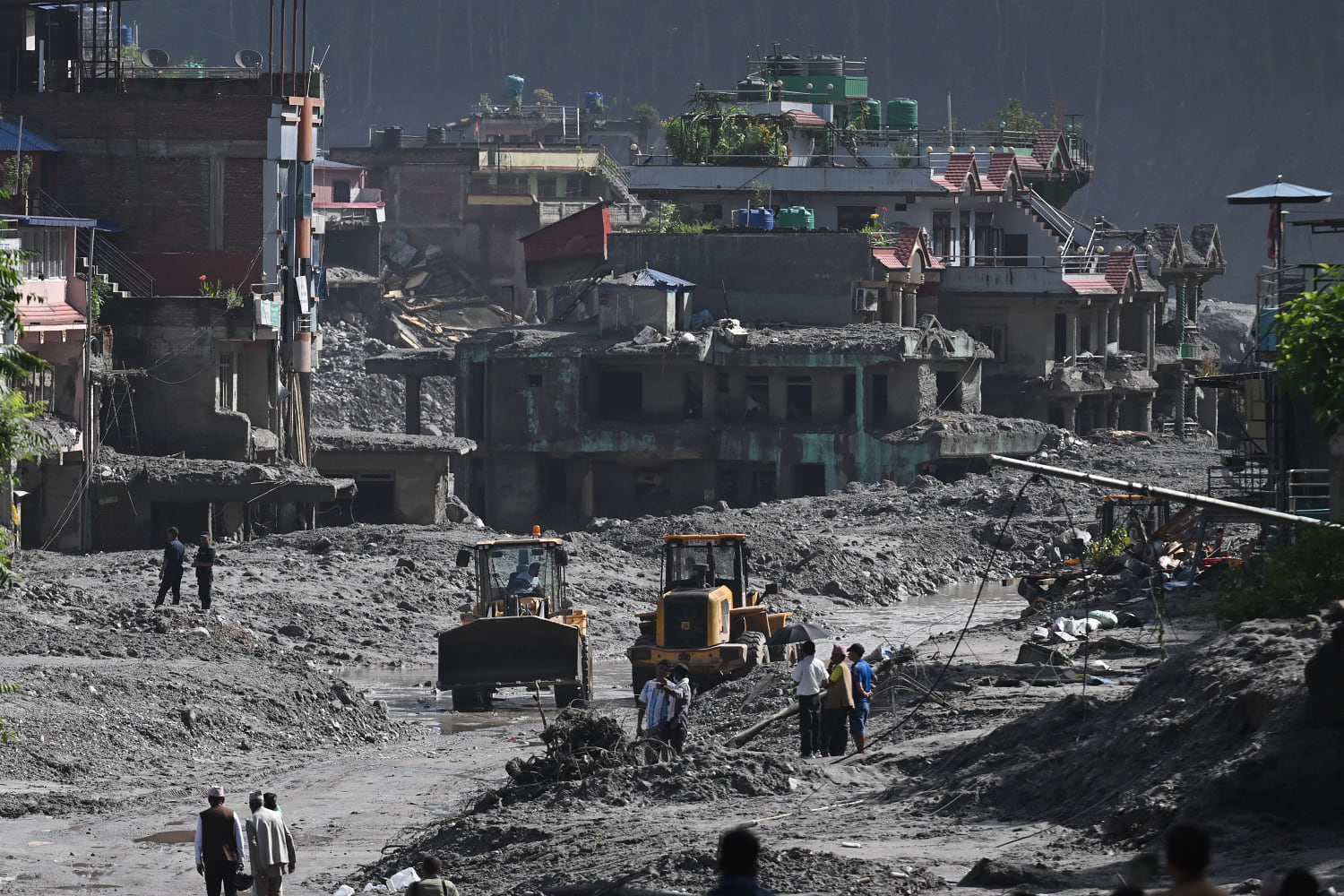
A glacier collapse on August 26 triggered devastating flash floods in Nepal and the neighboring Tibetan region of China, resulting in significant destruction and loss of life. Experts indicate that early warning signs of the collapse were evident, but existing monitoring and emergency alert systems were inadequate to predict such disasters effectively.
This event highlights a critical issue in the Himalayan region, where climate change is accelerating glacier melt. The increased temperatures have made glaciers more unstable, leading to higher risks of collapse. Nepal, with its rugged terrain and remote communities, faces particular challenges in disaster preparedness. The region's monitoring systems lack the technology and infrastructure necessary for timely alerts, leaving communities vulnerable to sudden natural disasters.
Following the glacier collapse, local authorities are working to assess the damage and provide aid to affected areas. Initial reports suggest that homes, roads, and agricultural land have been severely impacted, displacing thousands. While the government has begun recovery efforts, the lack of a robust early warning system remains a pressing concern for experts. They emphasize that improving monitoring technology and communication systems is vital to prevent future tragedies.
Looking ahead, it is crucial for Nepal and its neighboring regions to strengthen their disaster preparedness strategies. Investment in advanced monitoring systems, combined with community education on emergency response, could save lives in future incidents. As climate change continues to threaten the stability of glaciers, proactive measures must be taken to safeguard vulnerable populations in the Himalayas.
Read Full Story at France 24 →