Kenya footprints show Paranthropus boisei traveled in groups 1.4 million years ago
Footprints in Kenya reveal that eight Paranthropus boisei individuals traveled together 1.4 million years ago, indicating they may have lived in larger, more complex social groups than previously tho…
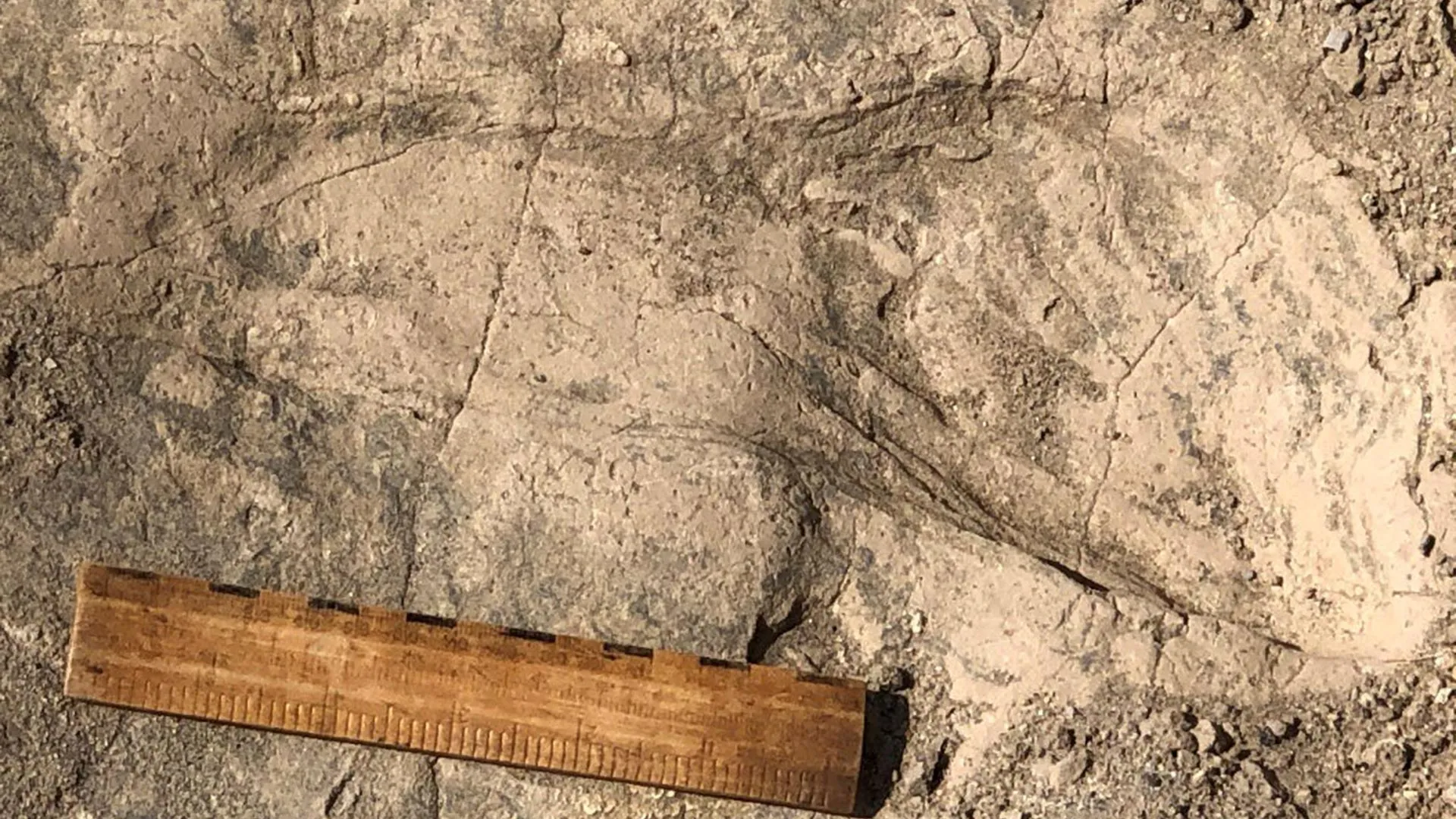
Ancient footprints found in Kenya indicate that eight individuals of the extinct species Paranthropus boisei traveled together 1.4 million years ago. These footprints suggest that some of these early human relatives reached surprisingly large, human-like body sizes. The discovery provides a rare opportunity to analyze their social behavior and indicates that these hominins may have lived in more complex social groups than scientists previously believed.
The significance of this discovery lies in the insights it offers into the social structures of early hominins. Until now, most evidence regarding Paranthropus boisei pointed to these creatures as solitary or living in small family units. The recent findings challenge that notion and suggest that they may have engaged in cooperative behaviors, which could have implications for understanding the evolution of sociality in human ancestors. This revelation aligns with ongoing research into the social behaviors of other hominin species, as scientists work to piece together the complex evolutionary history of our lineage.
Researchers believe that the footprints were likely formed in a muddy area near a water source, where the individuals left behind their tracks. The analysis of the footprints revealed variations in size, indicating that some members of the group were much larger than others. This size diversity may reflect different roles within the group or adaptations to their environment. The study also highlights the importance of fossilized footprints, which can offer unique insights into the behavior and interactions of ancient species that traditional fossil methods may not reveal.
Moving forward, this discovery opens up new avenues for research into the social dynamics of early hominins. Scientists plan to conduct further studies on the footprints and their context to gain deeper insights into the lifestyle of Paranthropus boisei. Understanding these social structures is essential for comprehending the broader narrative of human evolution, as it sheds light on how our ancestors developed social strategies that may have contributed to their survival and eventual dominance on the planet.
Read Full Story at ScienceDaily →