NASA invites high schoolers to design sustainable aviation energy systems
NASA's 2026-2027 High School Engineering Challenge invites students to design innovative energy systems for aviation, addressing the industry's need for sustainable solutions amid rising air travel d…
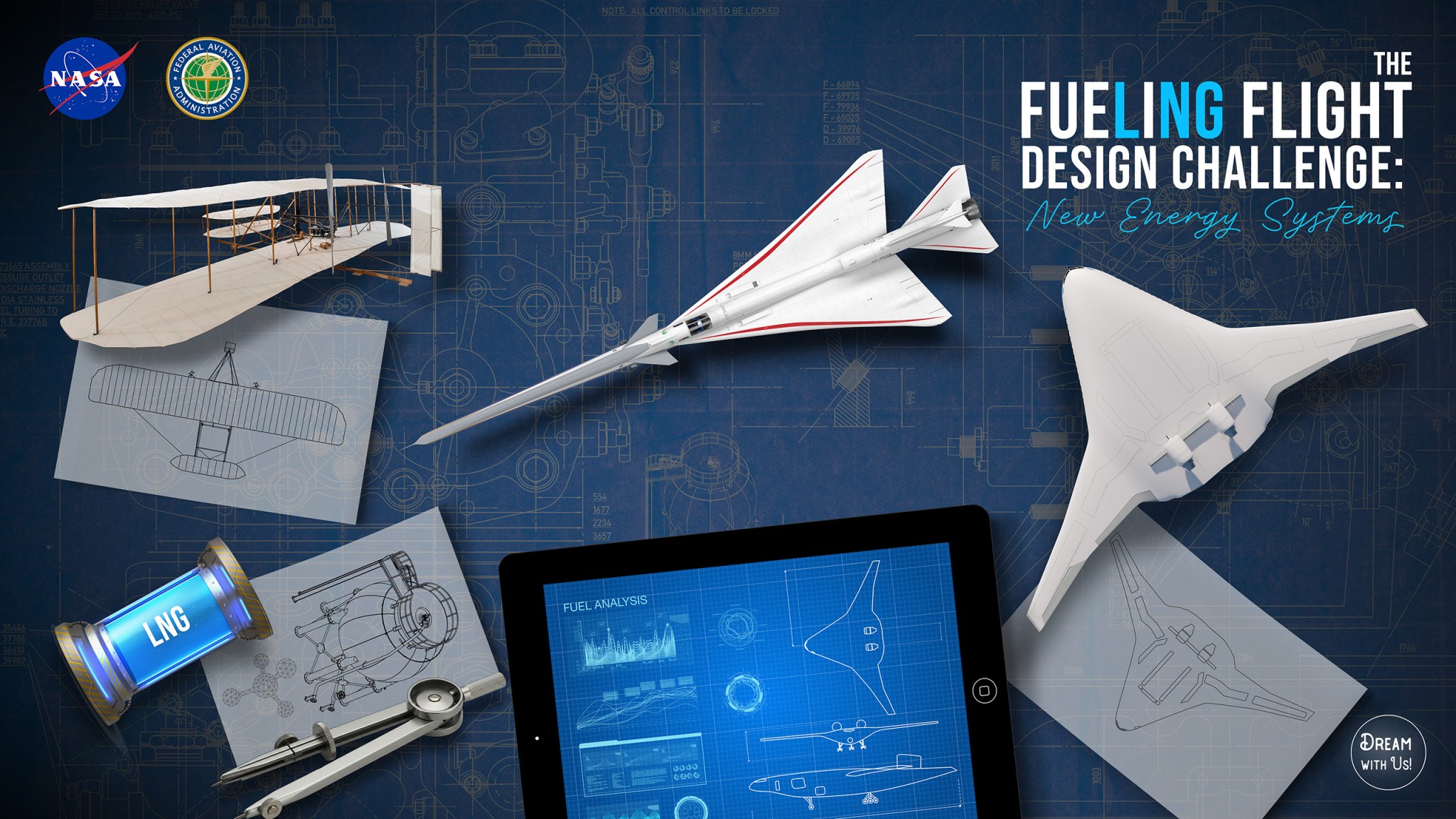
NASA has announced the theme for the 2026-2027 High School Engineering Challenge, focusing on “Fueling Flight Design Challenge: New Energy Systems.” This initiative aims to engage high school students in developing innovative energy solutions for aviation as the demand for air travel continues to grow.
The challenge comes at a critical time when the aviation industry is under pressure to reduce its environmental impact. As air traffic increases within the United States National Airspace System, the Federal Aviation Administration (FAA) and NASA are collaborating with universities and industry leaders to enhance safety while minimizing carbon emissions. Advances in energy systems are crucial for meeting both regulatory requirements and public expectations for greener air travel.
Participants in the challenge will be tasked with designing new energy systems that could potentially power future aircraft. This could include exploring alternative fuels, electric propulsion systems, and hybrid technologies. Engaging students in real-world engineering problems not only fosters creativity and innovation but also prepares the next generation of engineers to tackle pressing challenges in aviation and beyond. The program has seen increasing interest, with thousands of students participating in previous challenges, showcasing the potential for young minds to contribute to significant advancements in the field.
Looking ahead, the challenge emphasizes the importance of collaboration between educational institutions, government agencies, and the aviation sector. As students work on their designs, they will gain valuable insights into the complexities of engineering and the factors that influence aviation safety and sustainability. The outcomes of this challenge could lead to practical solutions that enhance the future of flight, making air travel safer and more environmentally friendly.
Read Full Story at NASA →