Choose Language
Select a language for news translation.
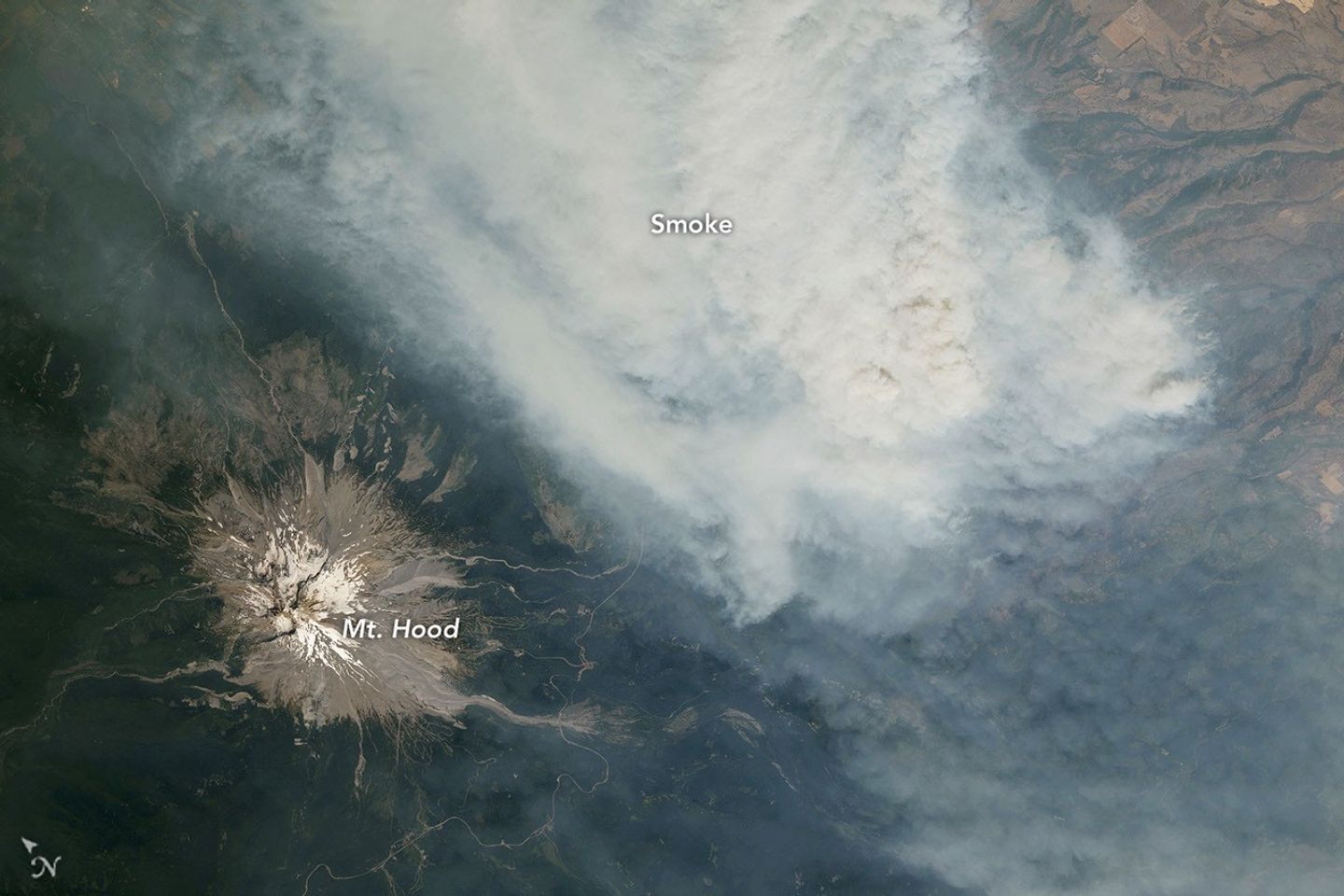
Astronauts on the International Space Station photographed Mount Hood and Mount Rainier obscured by smoke from multiple wildfires in the Pacific Northwest, rai…

NASA astronaut Mike Fincke has retired after spending 549 days in space, making him the fourth most experienced astronaut. His retirement is significant as NAS…
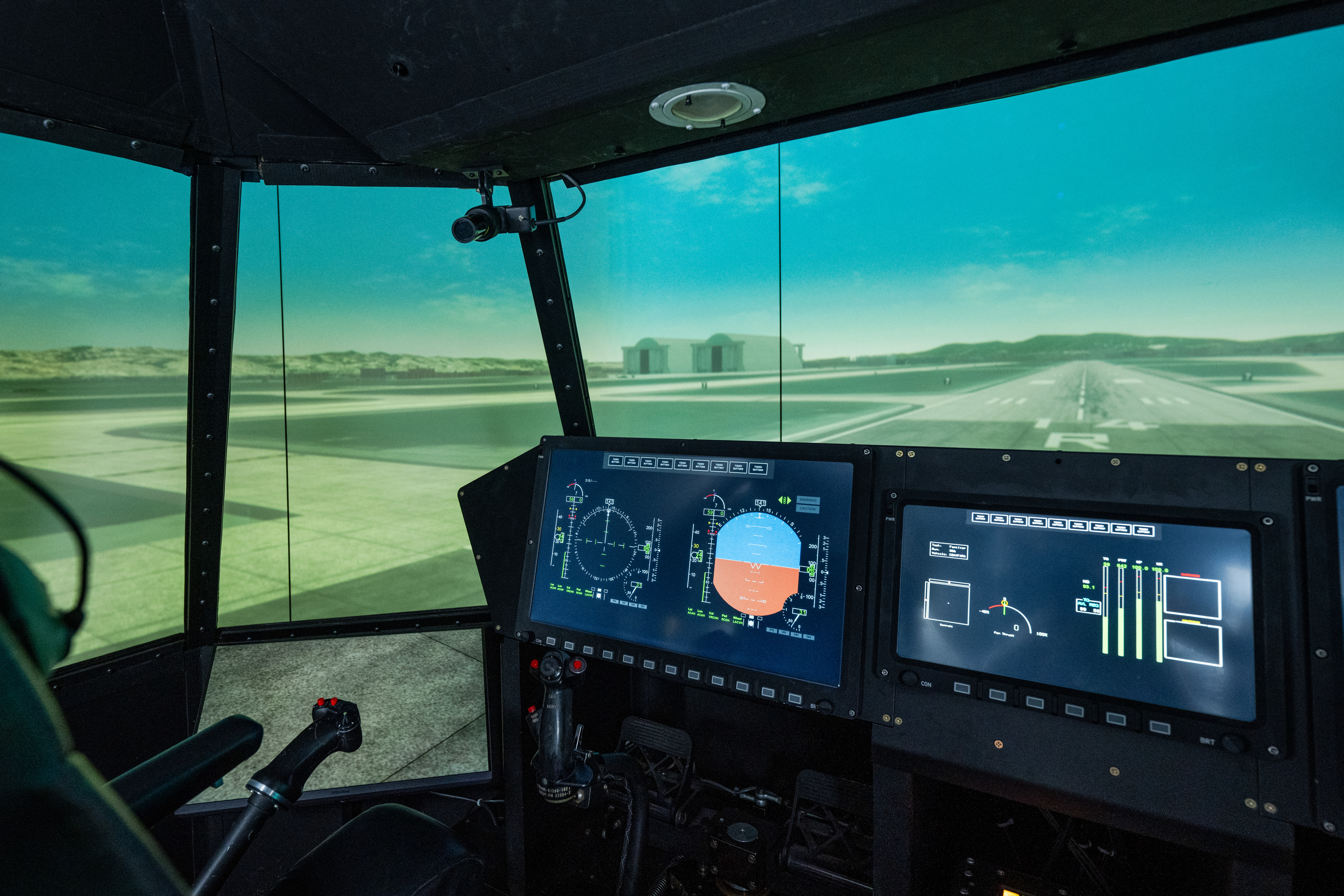
NASA has upgraded its Vertical Motion Simulator to enhance astronaut and pilot training for future missions, including lunar landings and urban air taxi operat…
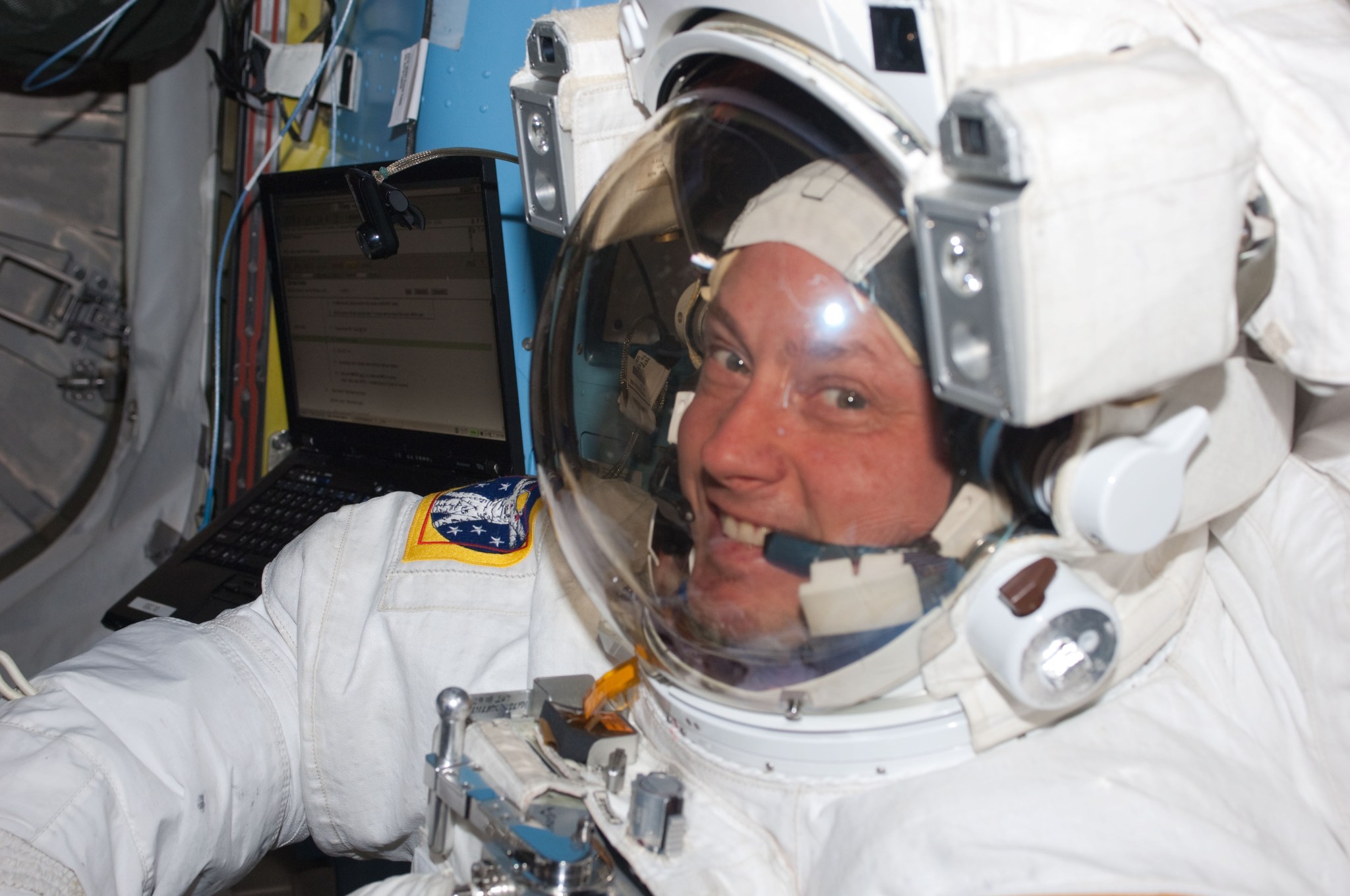
NASA astronaut Mike Fincke is leaving the agency after 30 years, during which he completed four spaceflights and nine spacewalks, significantly contributing to…

NASA has completed its Lunar Environment Monitoring Station (LEMS), which will be deployed by Artemis astronauts on the Moon to gather crucial environmental da…

Space agencies are testing a pocket-sized eye monitoring device, originally for elderly patients, to detect early signs of spaceflight-related vision damage in…

NASA planned a 1973/74 crewed Venus flyby using Apollo-era tech to study Venus and test deep-space travel, but canceled it in 1971 due to cost and lower scient…
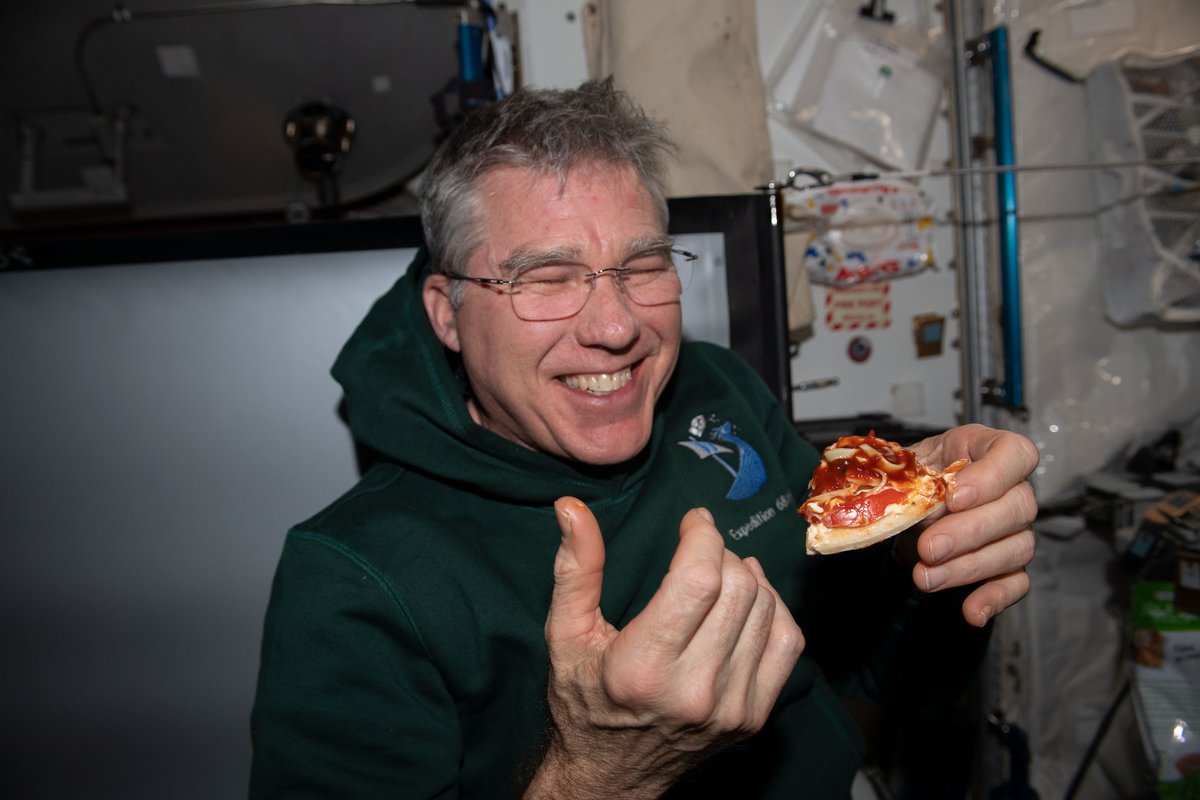
Zero gravity weakens throat muscles by up to 20% over six months, making swallowing harder and increasing choking risks. Astronauts also drink 30% less water, …

Reduced gravity makes people move slower and less complexly to save energy, as shown in NASA-backed experiments. This matters for astronauts on Moon/Mars missi…
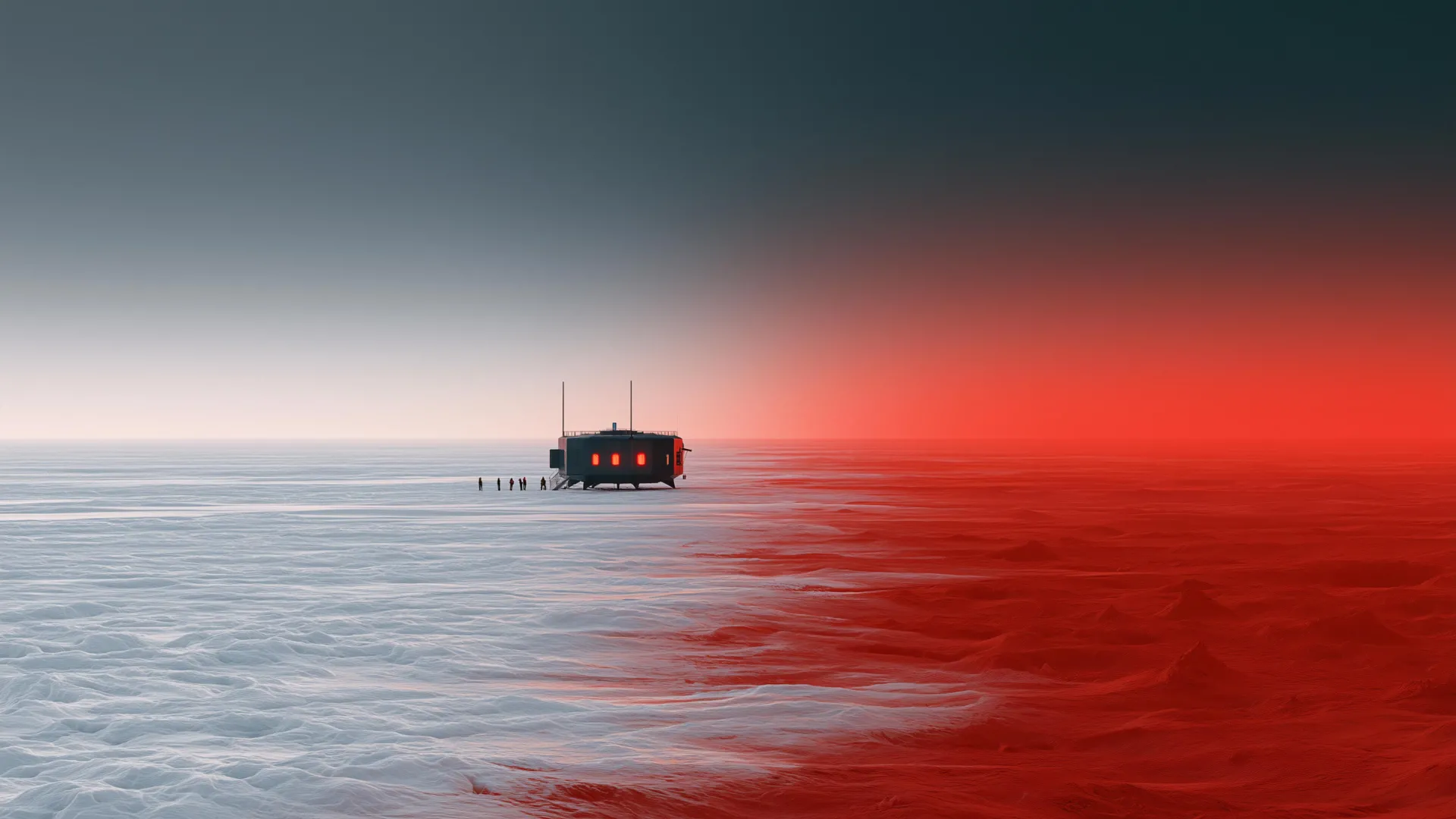
A ten-month Antarctic experiment found that astronauts may struggle not only with loneliness but also with spending too much time around the same people. Frequ…
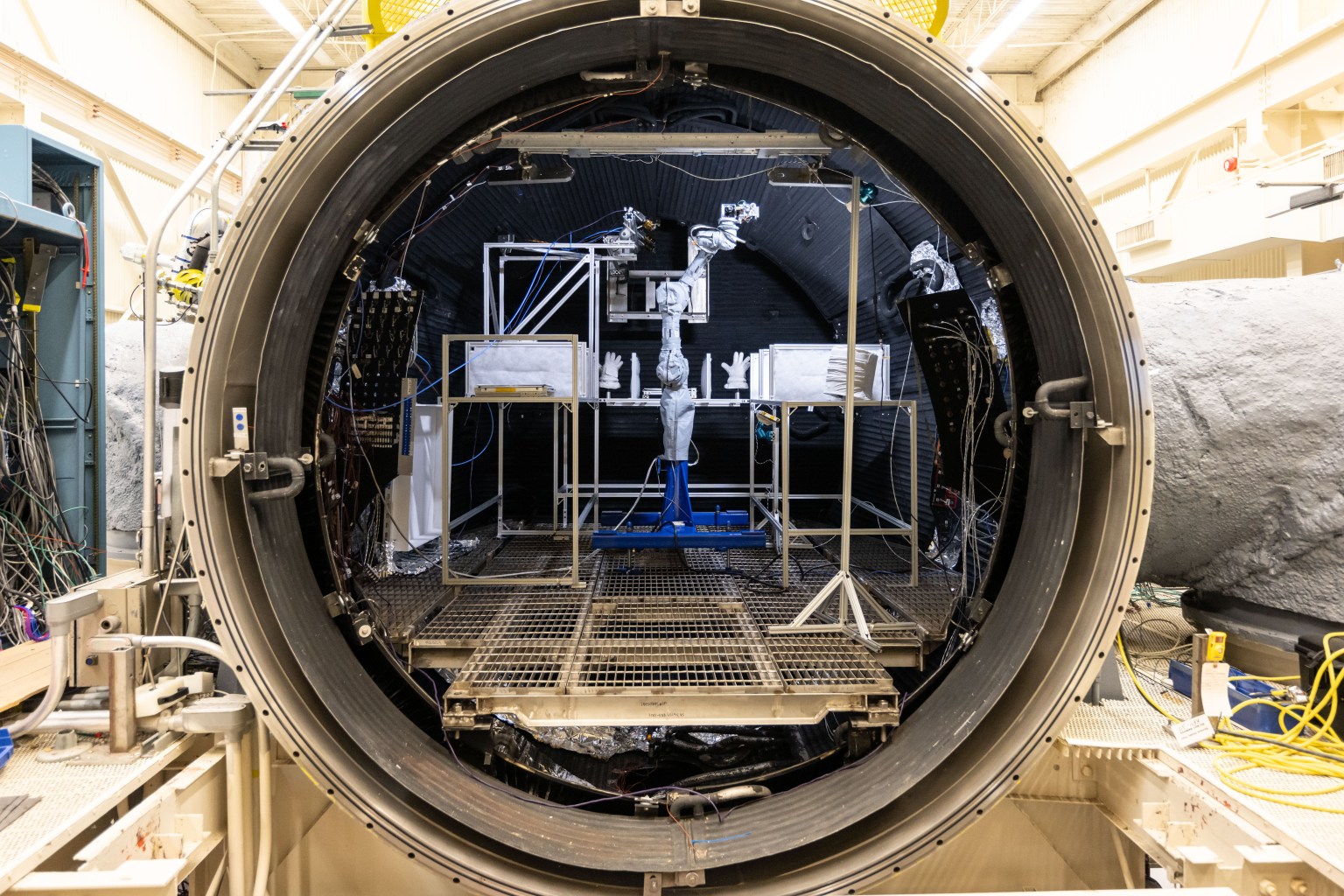
Before astronauts return to the Moon’s surface through NASA’s Artemis program, the hardware they depend on must first prove it can survive the unforgiving luna…