Choose Language
Select a language for news translation.

Space agencies are testing a pocket-sized eye monitoring device, originally for elderly patients, to detect early signs of spaceflight-related vision damage in…

NASA planned a 1973/74 crewed Venus flyby using Apollo-era tech to study Venus and test deep-space travel, but canceled it in 1971 due to cost and lower scient…
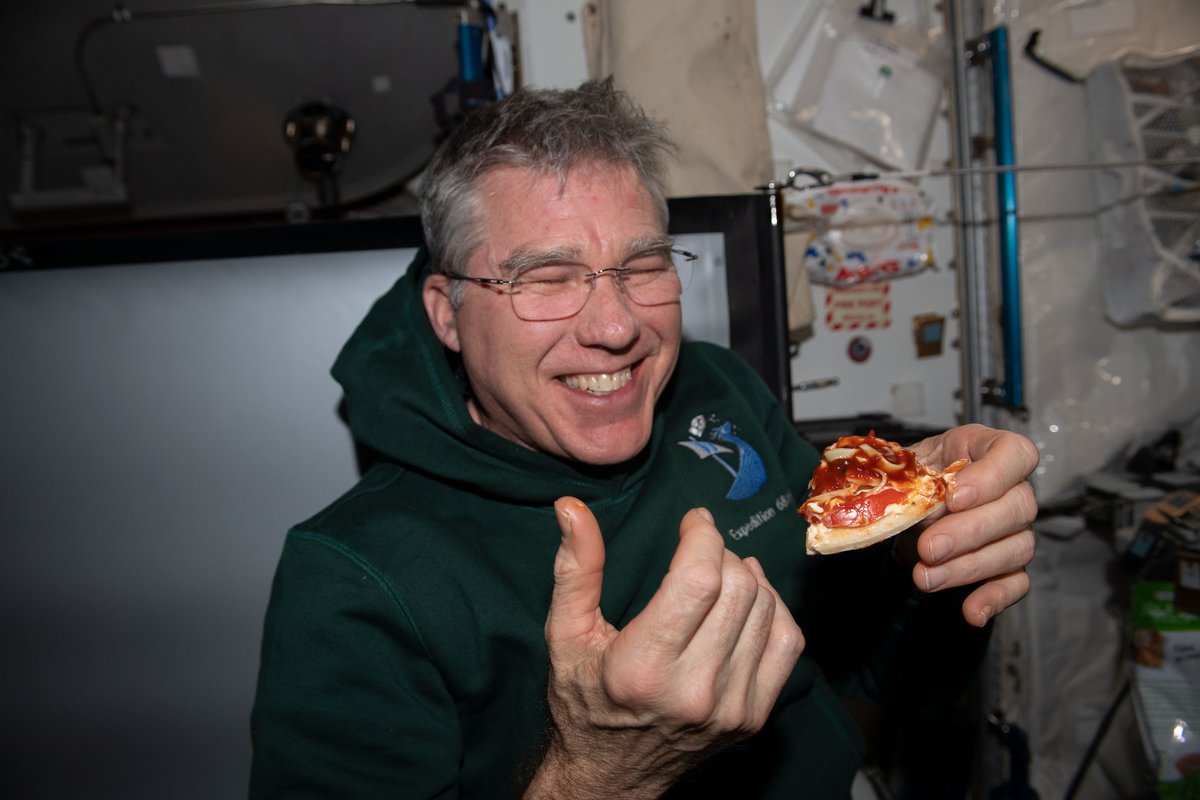
Zero gravity weakens throat muscles by up to 20% over six months, making swallowing harder and increasing choking risks. Astronauts also drink 30% less water, …

Reduced gravity makes people move slower and less complexly to save energy, as shown in NASA-backed experiments. This matters for astronauts on Moon/Mars missi…
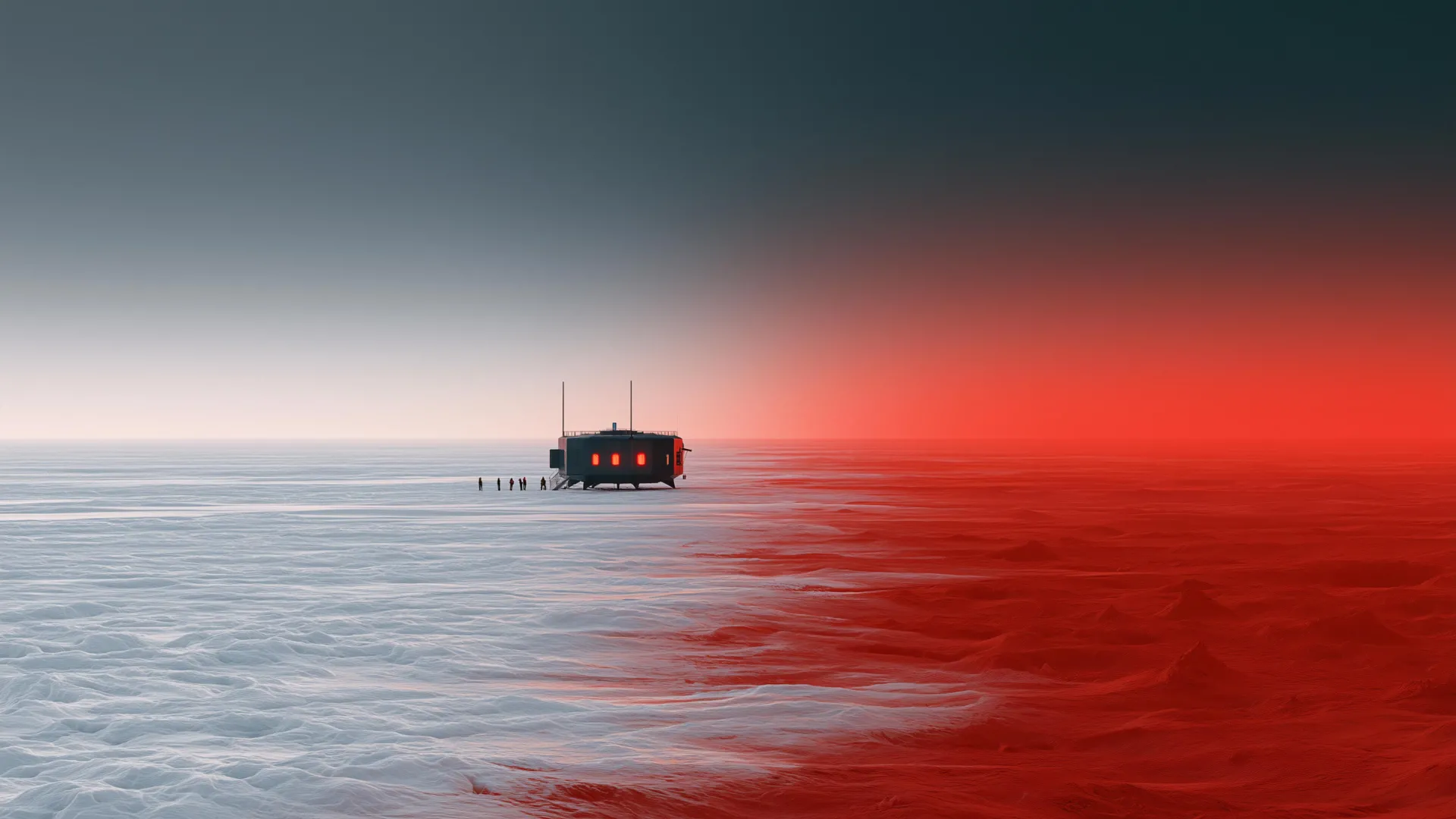
A ten-month Antarctic experiment found that astronauts may struggle not only with loneliness but also with spending too much time around the same people. Frequ…
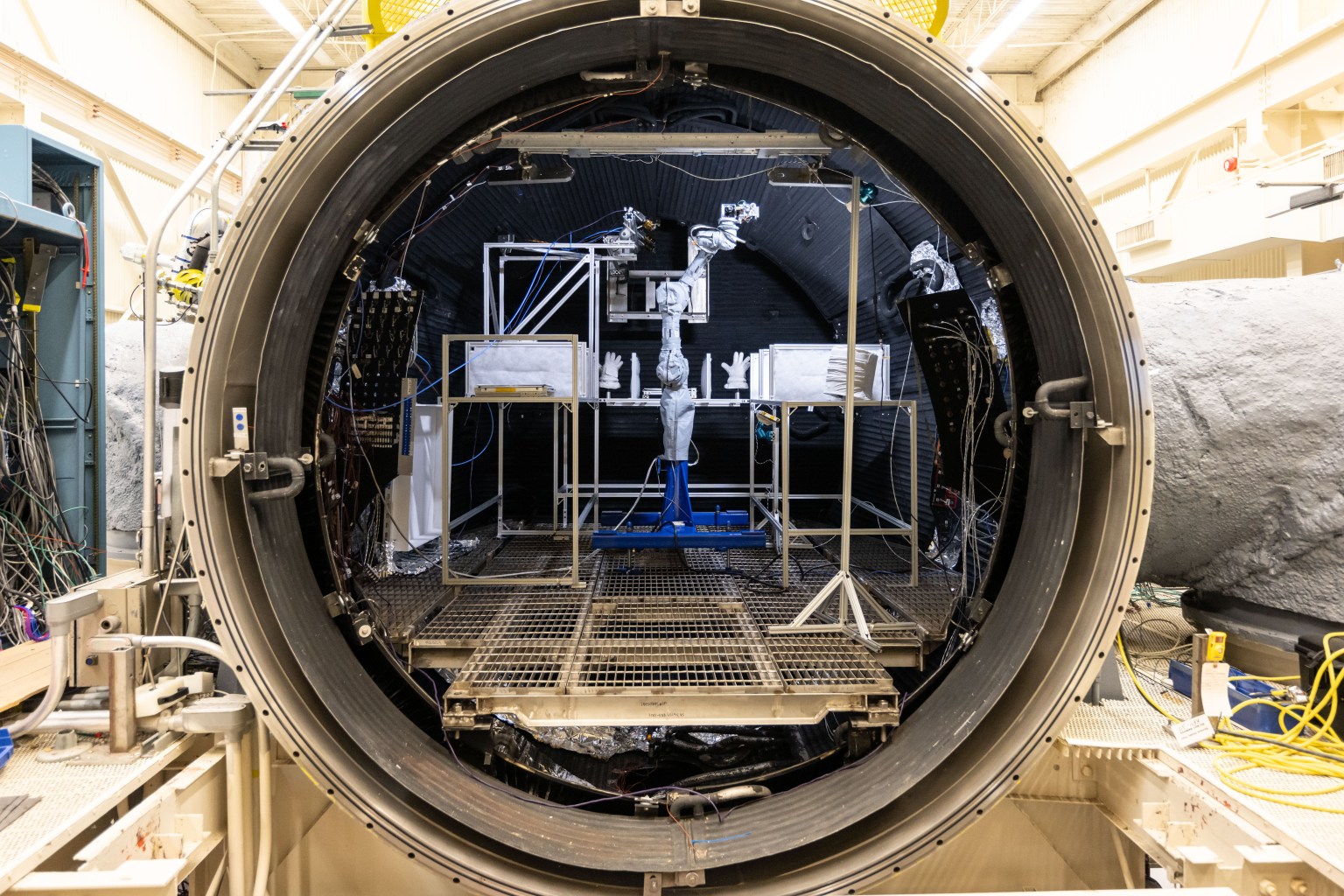
Before astronauts return to the Moon’s surface through NASA’s Artemis program, the hardware they depend on must first prove it can survive the unforgiving luna…
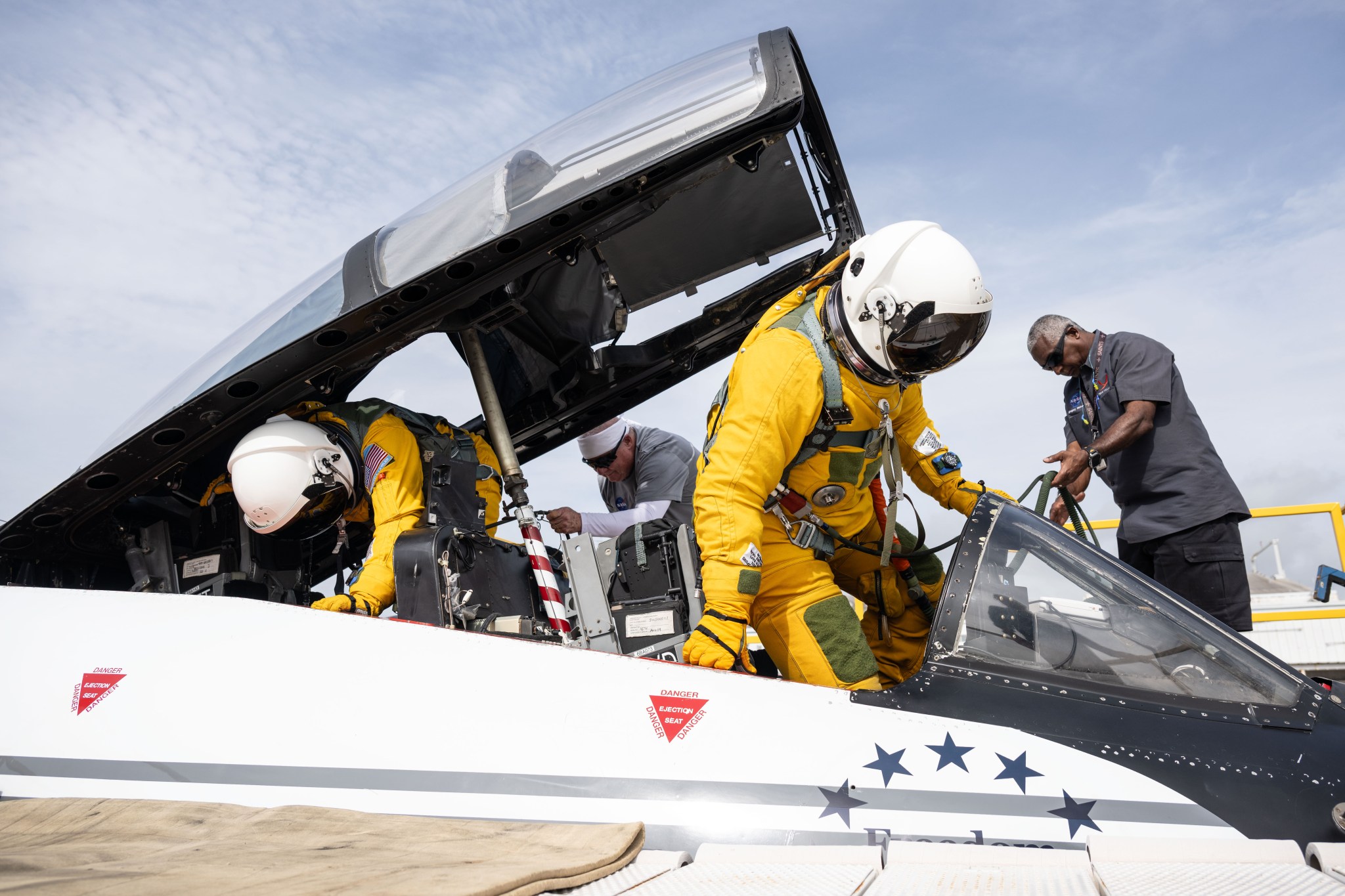
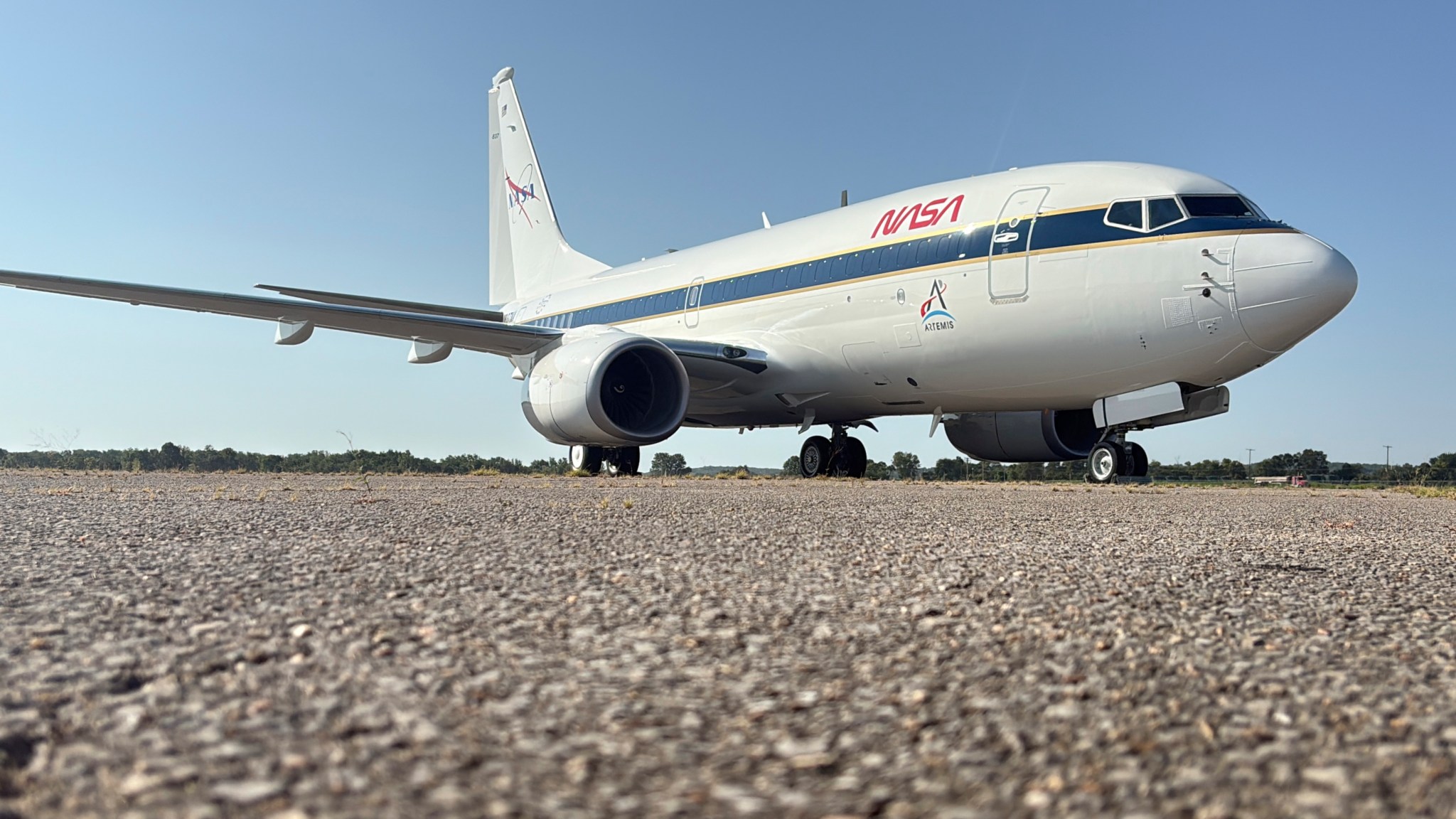
NASA astronaut Adam Fuhrmann (right, in yellow) prepares for a training flight aboard NASA’s WB-57 aircraft in this July 16, 2026, photo. These high-altitude f…
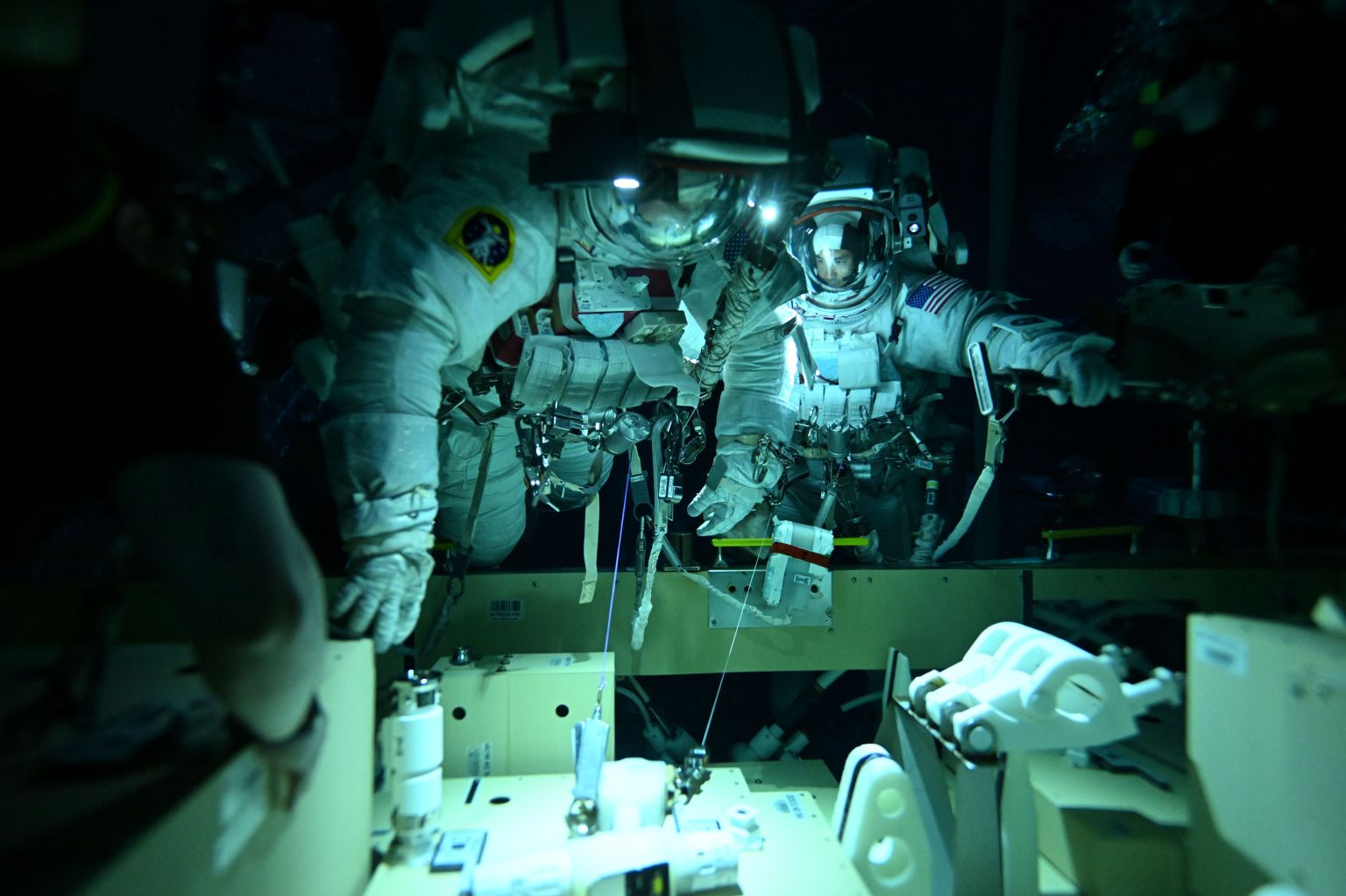
From serving in the U.S. Army to helping prepare astronauts to explore the lunar surface, Ike Theriot built a path to NASA through discipline and determination…
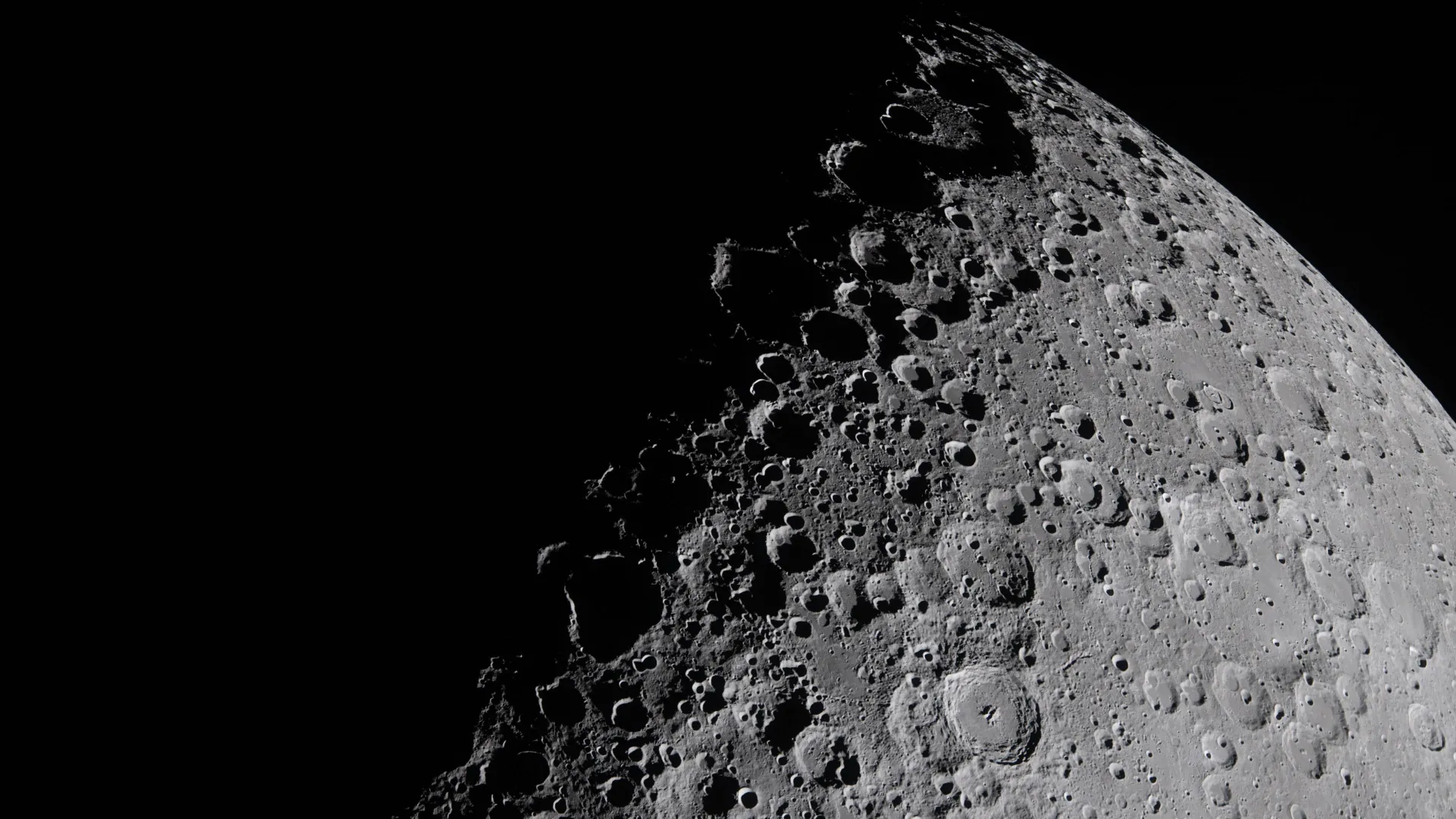
Hidden moon ice may reveal itself through the way it bends and reflects vibrations from moonquakes. The technique could help astronauts locate vital water supp…

We know Mars has water ice in its polar regions, but astronauts (and their solar-powered equipment!) would much rather experience life closer to Mars' equator.…

When astronauts travel deeper into space, every drop of fuel becomes critical, and keeping those fuels stable for months or even years is one of the biggest en…