NASA features Milky Way image over Lençóis Maranhenses National Park
NASA's Astronomy Picture of the Day for November 26, 2026, showcases the Milky Way over Lençóis Maranhenses National Park, emphasizing the beauty of our galaxy and the need for environmental preserva…
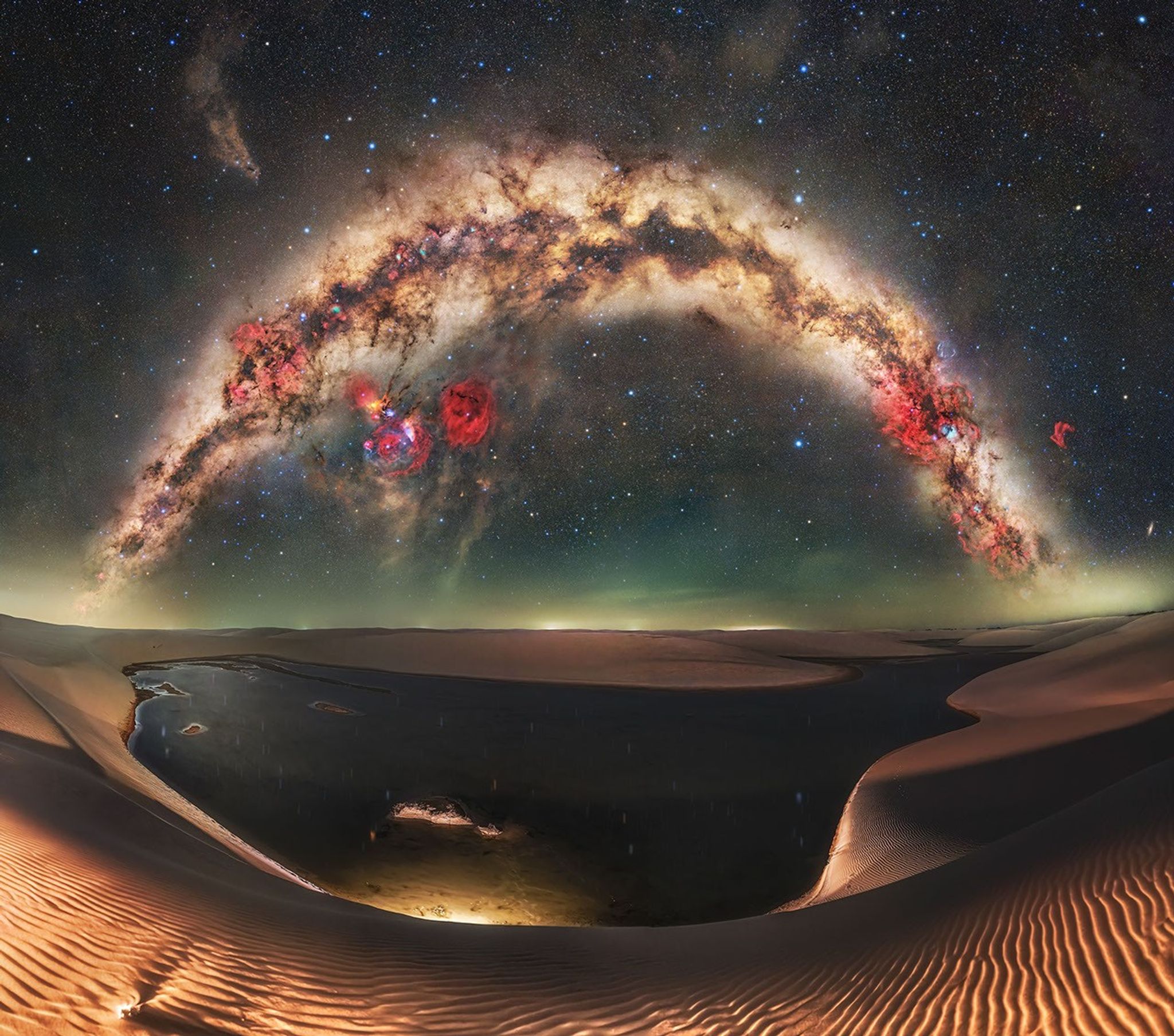
NASA's Astronomy Picture of the Day (APOD) for November 26, 2026, features a stunning image of the Milky Way galaxy taken over the Lençóis Maranhenses National Park in Brazil. This breathtaking photograph showcases the vastness of our galaxy against the backdrop of the park's unique sand dunes and seasonal lagoons, drawing attention to both the beauty of our universe and the significance of preserving natural landscapes.
The choice of this particular image highlights the increasing interest in astronomy and astrophotography among the public. As technological advancements in photography and telescopes have made it easier to capture the night sky, more people are engaging with astronomy. This APOD selection serves not only to inspire awe but also to encourage further exploration of our cosmos. The Milky Way, a barred spiral galaxy, is our home galaxy, containing billions of stars and potentially countless planets, making it a focal point for both scientific research and public fascination.
The Lençóis Maranhenses region is notable for its striking topography, characterized by sweeping dunes and freshwater lagoons, which are formed by seasonal rains. The contrast between the stark white sand and the dark night sky creates a visually arresting scene that underscores the importance of protecting such natural wonders. Ecotourism in this region has grown, as visitors seek to experience its unique beauty, but this also raises concerns about environmental sustainability and the impact of tourism on delicate ecosystems.
Looking ahead, this image could spark renewed interest in both astronomy and environmental conservation. As more people become aware of the wonders of the universe, there is an opportunity for educational initiatives that emphasize the interconnectedness of space exploration and Earth science. Such efforts could foster a deeper appreciation for our planet and its place in the cosmos, highlighting the importance of preserving not just natural landscapes like Lençóis Maranhenses, but also the integrity of our universe as a whole.
Read Full Story at NASA →