Scientists discover brine pools supporting unique life beneath Red Sea
Scientists have discovered brine pools, extremely salty underwater lakes over a mile deep in the Red Sea, which support unique microbial life despite lacking oxygen. This finding challenges previous …
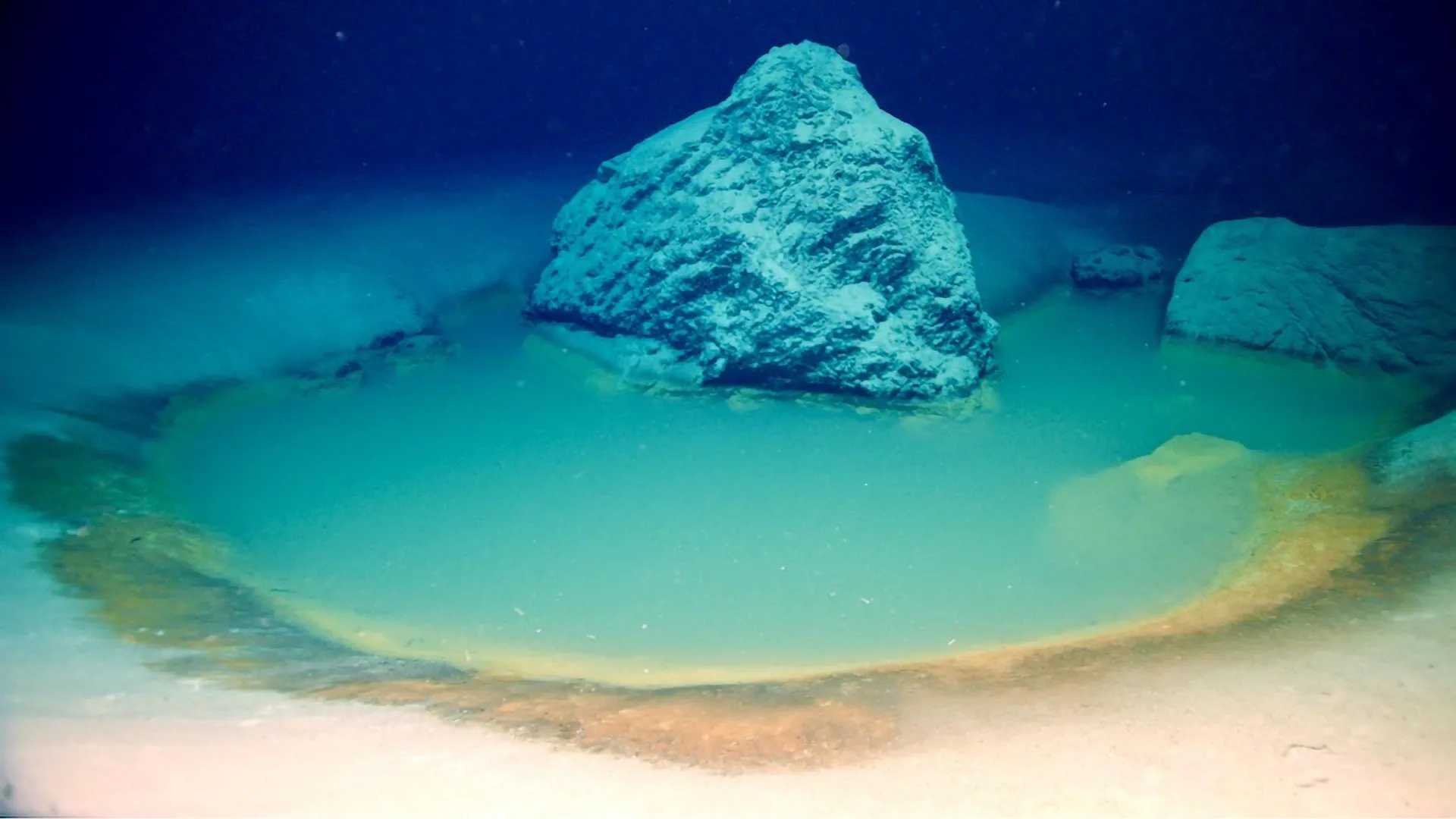
Scientists have discovered rare underwater lakes more than a mile beneath the Red Sea. These unique bodies of water, known as brine pools, are extremely salty and lack oxygen but are rich in microbial life. The finding was made during a recent research expedition, which aimed to explore the deep-sea ecosystems of the region.
This discovery is significant because it sheds light on the conditions that can support life in extreme environments. Researchers believe that studying these brine pools could provide insights into Earth's ancient oceans and the potential for life on other planets. The extreme salinity and lack of oxygen challenge previous assumptions about where organisms can thrive, expanding our understanding of life's adaptability. This is especially pertinent in the search for extraterrestrial life, as scientists look for similar conditions on moons and planets beyond Earth.
During the expedition, researchers used advanced technology to access these hidden lakes. They found that the microbial communities within the brine pools are highly specialized, thriving in conditions that would be inhospitable to most known life forms. The presence of these microbes suggests that life can exist in extreme environments, raising questions about the limits of biological survival and adaptation on Earth and potentially elsewhere in the universe.
Looking ahead, scientists plan to conduct more studies to fully understand the ecosystems within these brine pools. They hope that by analyzing the microbial life and its interactions with the environment, they can uncover more about Earth's history and the evolution of life. This research could also inform future exploration of other planets, as scientists seek to identify places where life might exist beyond our world.
Read Full Story at ScienceDaily →