MSK researchers find MEK inhibitor stops T cell burnout
Memorial Sloan Kettering researchers identified that blocking the MEK protein prevents T cells from exhausting their energy reserves. This stop-early-burnout strategy could sustain immune attacks aga…
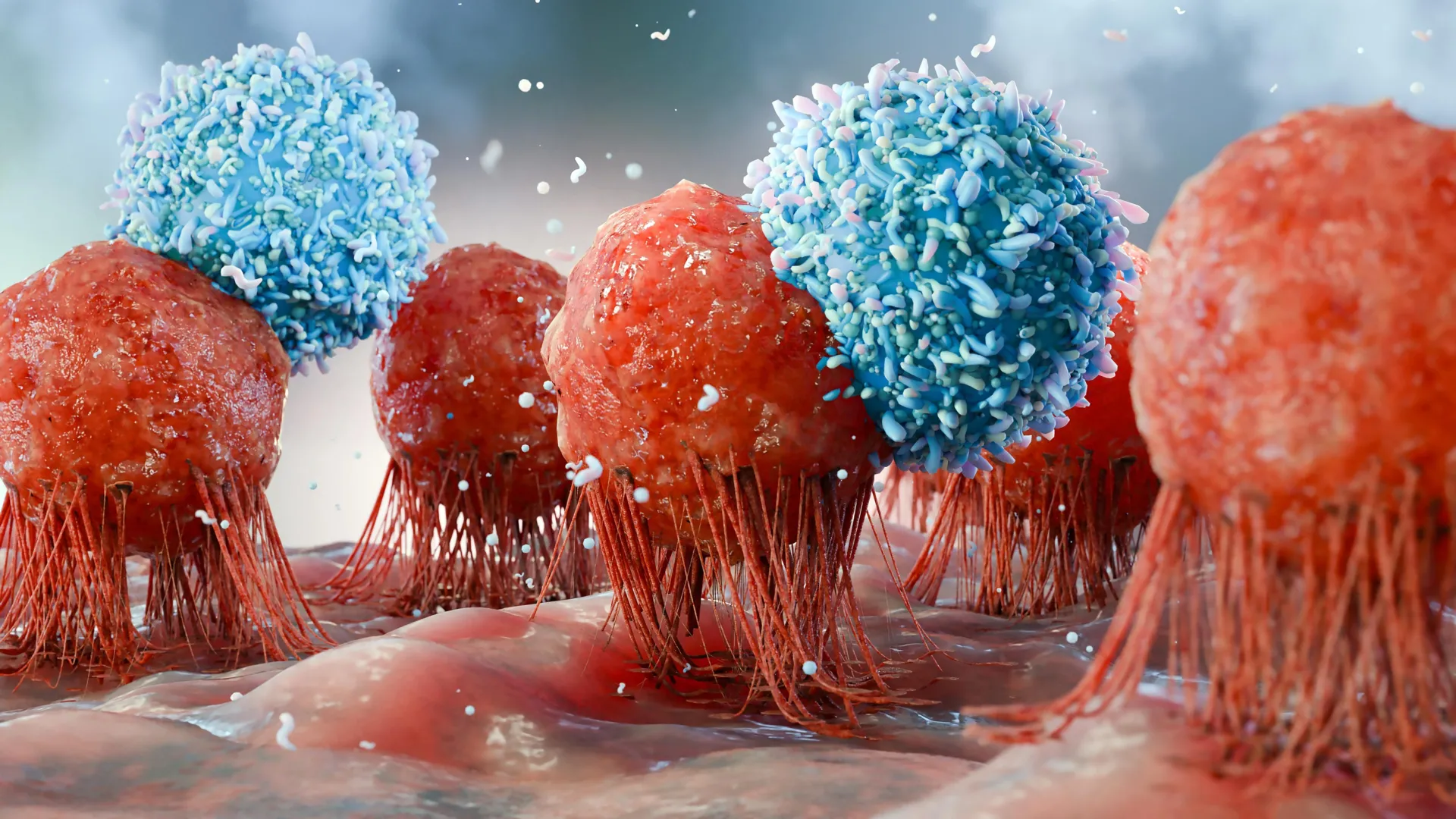
Cancer immunotherapy often fails because the immune system’s primary weapons, known as T cells, eventually run out of steam. Researchers at Memorial Sloan Kettering Cancer Center have identified a specific molecular switch that causes this burnout and may have found a way to prevent it. By targeting a signaling molecule called MEK, scientists believe they can stop these immune cells from exhausting themselves too quickly. This discovery offers a promising new strategy to keep T cells active and effective for longer periods, potentially turning a temporary immune response into a sustained attack against tumors. The findings, derived from both laboratory and animal studies, suggest a significant leap forward in how we approach the limitations of current immunotherapy treatments.
The problem with existing cancer immunotherapies is a phenomenon known as T cell exhaustion. In a healthy body, T cells are the frontline defenders against infection and cancer. However, when these cells are constantly exposed to a tumor, they enter a state of fatigue. They stop dividing, lose their ability to kill cancer cells, and eventually die off. This happens because the harsh environment surrounding a tumor forces the immune cells to work too hard. They consume their energy reserves rapidly while trying to produce the proteins necessary to destroy malignant cells. This metabolic burnout is a major reason why many patients initially respond to treatment but then experience a relapse. The tumor creates a hostile landscape that drains the immune system’s capacity to maintain a long-term defense.
The researchers focused on MEK, a protein involved in signaling pathways that regulate cell growth and energy use. They discovered that MEK drives T cells to burn through their energy supplies at an accelerated rate. This high-energy consumption is counterproductive in the tumor microenvironment, where resources are scarce. When the team blocked the activity of MEK in their studies, the T cells changed their behavior. Instead of sprinting and collapsing, they entered a more conservative mode. The cells conserved their energy, which allowed them to survive longer in the harsh conditions around the tumor. Crucially, these modified cells remained capable of producing the cancer-killing proteins they need. They did not become inactive; they simply became more efficient and durable.
This approach could reshape how doctors design immunotherapy protocols. By combining standard immunotherapy drugs with MEK inhibitors, clinicians might be able to extend the window of effectiveness for treatments like checkpoint inhibitors. The goal is to ensure that the immune system does not just react to the cancer but maintains a persistent vigil. If the T cells can avoid exhaustion, they can continue to hunt down cancer cells that might otherwise escape detection. While these results come from preclinical studies, they provide a clear biological mechanism for why some treatments fail and how to fix it. The next step will be translating these findings into human clinical trials to see if the same benefits hold true in patients. If successful, this could mean fewer relapses and better long-term survival rates for people with difficult-to-treat cancers.
Read Full Story at ScienceDaily →